
Navigating the nutritional needs of a breastfeeding mother can be challenging, especially when following a ketogenic diet. This article explores how a specialized calculator can help women balance their keto lifestyle while ensuring their baby receives optimal nourishment, making it easier to prioritize health for both mother and child.
Understanding the Keto Diet While Breastfeeding: What You Need to Know
Engaging in a ketogenic diet while breastfeeding can be a complex balancing act. It’s essential to understand that the keto diet, which emphasizes high fat, moderate protein, and very low carbohydrates, might affect both your nutrition and your milk supply.The first step to successfully navigating this diet during such a critical time is to ensure you have a well-rounded understanding of how ketogenic eating can impact your body and breastfeeding journey.
Key Considerations for Keto While Breastfeeding
When adopting a ketogenic diet while nursing, consider the following crucial points:
- Caloric Intake: It’s crucial to ensure you are consuming sufficient calories to maintain your milk supply. Many women require an increased caloric intake while breastfeeding, which may not align with the typically restrictive nature of a keto diet.
- Nutrient Density: Focus on nutrient-rich foods. Incorporate plenty of healthy fats, such as avocados, nuts, and olive oil, along with protein sources like fish and poultry. This will help provide the energy needed for both you and your baby.
- Hydration: Staying hydrated is vital. keto diets can lead to an increase in water loss, so drinking plenty of fluids is essential to support milk production.
- Monitor Baby’s Response: Pay attention to how your baby reacts to your milk. Any signs of fussiness or low weight gain could suggest that changes in your diet are impacting your milk composition.
Utilizing the Keto breastfeeding Calculator
Using tools like the Keto Breastfeeding Calculator can be invaluable in managing your dietary needs while nursing.This tool can help you tailor your macronutrient intake, ensuring you stay within ketogenic parameters while meeting the additional caloric requirements needed for breastfeeding mothers.
| Mother’s Weight (lbs) | Daily Calorie Needs | Keto Macronutrient Breakdown |
|---|---|---|
| 130 | 1,800 | 70% Fat,25% Protein,5% Carbs |
| 150 | 2,000 | 70% Fat,25% Protein,5% Carbs |
| 170 | 2,200 | 70% Fat,25% Protein,5% Carbs |
By carefully calculating your macronutrients and overall caloric needs,you can create a enduring keto plan that supports your health and breastfeeding goals. Remember that flexibility is key; it may be beneficial to adjust your macro ratios based on how you feel and how your body responds throughout your breastfeeding journey. Engaging in open conversations with a healthcare provider or a nutritionist who specializes in postpartum diets can also provide personalized advice tailored to your unique situation, helping you thrive on your keto journey while nourishing your baby.
Key Nutrients for You and Your Baby: Balancing Keto with Breastfeeding
Did you know that the choices you make about your diet while breastfeeding can considerably impact not only your health but also the development of your baby? Balancing a ketogenic diet during this critically important time requires careful consideration of key nutrients that support both you and your little one. Understanding these vital components will help you effectively use tools like the Keto Breastfeeding Calculator to tailor your diet for optimal health.
Essential Nutrients for Breastfeeding Mothers on Keto
Breastfeeding places high demands on a mother’s body, and maintaining a well-rounded intake of nutrients is critical. Here are the key nutrients to focus on while following a ketogenic diet:
- Healthy Fats: While ketosis relies on fats for energy, it’s critically important to prioritize healthy sources such as avocados, nuts, seeds, and olive oil. These fats provide essential fatty acids and support the development of your baby’s brain.
- Protein: Make sure to include lean meats, fish, and dairy products in your diet. Protein aids in recovery postpartum and is crucial for milk production.
- Vitamins and Minerals: Consider incorporating a variety of leafy greens (like spinach and kale) and low-carb vegetables, which not only add necessary vitamins (such as A, C, and K) but also help in providing calcium and magnesium.
- Electrolytes: Since keto can lead to imbalances, maintaining adequate levels of sodium, potassium, and magnesium is vital. Include bone broth, nuts, and electrolyte-rich vegetables.
Meal Planning for Nutritional Balance
Using the Keto Breastfeeding Calculator can guide you to calculate appropriate macronutrient ratios that ensure you meet both your needs and those of your baby. Consider creating a weekly meal plan that incorporates a variety of nutrient-dense foods.
| Meal | Main Ingredient | Nutritional Benefits |
|---|---|---|
| Breakfast | Avocado with Eggs | Rich in healthy fats, proteins, and vitamins. |
| Lunch | spinach Salad with grilled Chicken | High in iron and antioxidants. |
| Dinner | Salmon with Asparagus | Omega-3 fatty acids for brain health. |
| Snacks | Nuts and Cheese | Quick source of energy and healthy fats. |
By mindfully selecting foods and using resources like the Keto Breastfeeding Calculator, you can effectively nourish yourself while supporting your baby’s growth and development. Remember that every mother’s needs are unique, so be sure to adjust your intake based on your personal health, activity level, and your baby’s specific demands.
How to Use Our Keto Breastfeeding Calculator: A step-by-Step Guide
Understanding the Basics of the Keto Breastfeeding calculator
Navigating the complexities of a ketogenic diet while breastfeeding doesn’t have to be overwhelming. With our specialized Keto Breastfeeding Calculator, you can easily tailor your dietary needs to ensure both you and your baby thrive.This tool is designed to optimize your nutritional intake, balancing your macronutrients while keeping your milk supply robust.
Step-by-Step Instructions to use the Calculator
To get the most out of the Keto Breastfeeding Calculator, follow these straightforward steps:
- Input Your Details: Begin by entering your age, weight, height, and activity level. this details helps the calculator assess your basal metabolic rate (BMR) and daily caloric needs, considering the added caloric demands of breastfeeding.
- Specify Your goals: Determine whether your primary goal is weight loss, maintenance, or muscle gain. The calculator adjusts your macronutrient ratios accordingly, ensuring that you receive enough energy to support lactation.
- Select Your Macro Ratios: Based on the ketogenic principles,you can choose your desired ratios of fats,proteins,and carbohydrates. A typical keto profile might consist of 70% fats, 25% protein, and 5% carbohydrates, but you can customize these percentages based on your personal preferences and dietary restrictions.
- Review Your Nutritional Plan: After inputting your data, the calculator will generate a clear output displaying your recommended daily intake of calories, macros, and a suggested food list. Use this as a practical guide for meal planning throughout your day.
- Track Your Progress: Regularly monitor your weight and energy levels, and adjust the inputs in the calculator as needed. This allows you to stay aligned with your goals while ensuring optimal nutrition for both yourself and your baby.
Practical Tips for Using the Calculator Effectively
To make the most of the Keto Breastfeeding Calculator, consider the following actionable tips:
- Meal Prep: prepare meals in advance to ensure that you stick to your macro goals. Batch cooking can save time and help you avoid impulsive eating.
- Stay Hydrated: Keep your water intake high, as hydration is crucial for milk production, especially in a low-carb diet.
- Listen to Your Body: Pay attention to how your body responds to the keto diet. If you experience fatigue or a decrease in milk supply, revisit the calculator and adjust your macronutrient intake.
- Incorporate Variety: Use the food list generated by the calculator to experiment with new keto recipes. This not only makes meal times more enjoyable but also ensures a range of nutrients for both you and your baby.
Utilizing the Keto Breastfeeding Calculator as part of your dietary strategy can yield significant benefits, ensuring you are nourished and energized while continuing to provide the best for your little one. By taking these steps, you empower yourself with the knowledge to make informed choices that accommodate both the keto lifestyle and breastfeeding needs.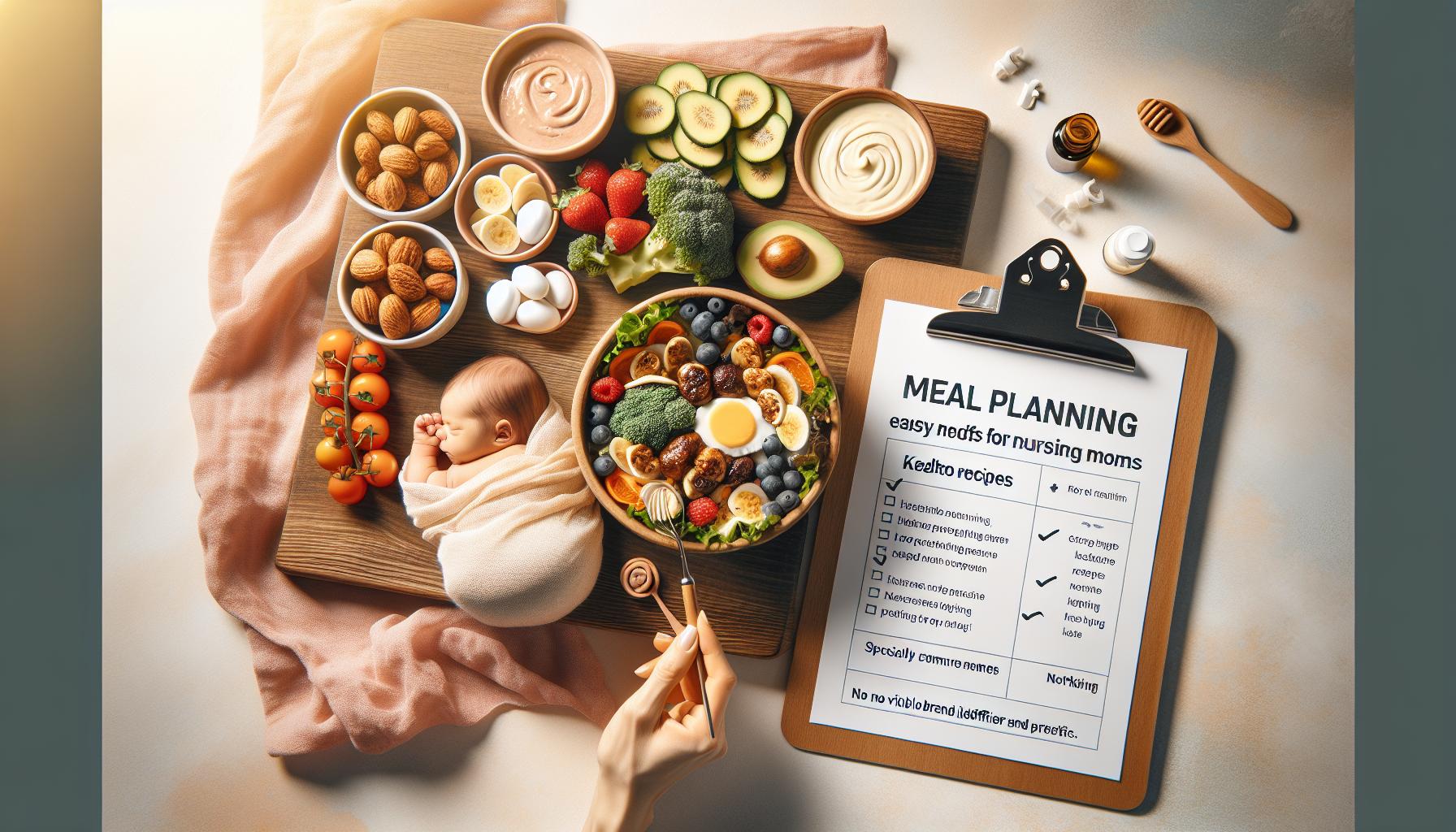
Meal Planning Made Easy: Delicious Keto Recipes for Nursing Moms
- Imagine enjoying meals that are not only delicious but also support your energy levels and fat-burning goals—ideal for nursing moms!
- Combining the principles of a ketogenic diet with the unique nutritional needs of breastfeeding can seem daunting, but it doesn’t have to be.
Understanding Nutritional Needs for Nursing Moms
As a nursing mother, it’s essential to ensure both you and your baby are getting the nutrients needed for optimal health. A well-planned ketogenic diet can provide the necessary fats and proteins while minimizing carbohydrates, which helps maintain energy levels throughout the day. To achieve this balance, utilize the Keto Breastfeeding Calculator: Optimize Diet While Nourishing Baby to tailor your meal requirements based on your specific needs.
Simple and Tasty Keto Recipe ideas
When meal planning,finding recipes that satisfy your cravings and meet your dietary guidelines is crucial. Here are a few simple and satisfying keto recipes that require minimal prep time, allowing you to focus on your little one:
| Recipe | Ingredients | Preparation Time |
|---|---|---|
| Avocado Egg Salad | 2 ripe avocados, 4 hard-boiled eggs, 1 tbsp mayonnaise, salt, and pepper | 10 minutes |
| Zucchini Noodles with Pesto | 2 zucchinis, ¼ cup basil pesto, parmesan cheese | 15 minutes |
| S cheesy Cauliflower Bake | 1 head cauliflower, 1 cup shredded cheddar, ½ cup cream | 30 minutes |
| Low-carb Chicken Stir Fry | Chicken breast, bell peppers, soy sauce, garlic | 20 minutes |
By preparing these meals in advance, you make sure that you always have quick and nourishing options available that fit your keto lifestyle. Plus, it helps you track your macros while using tools like the Keto Breastfeeding Calculator: Optimize Diet While Nourishing Baby, allowing for flexibility in your meal choices.
Snacking Smart for Sustained Energy
Keep your energy levels high and hunger at bay with healthy snacking. Incorporate snacks that align with keto principles and are convenient for nursing moms, such as:
- Nut butters: Pair almond or peanut butter with celery sticks for a satisfying crunch.
- Cheese Snacks: Opt for cheese crisps or slices that provide calcium and protein.
- Hard-Boiled Eggs: An easy-to-make source of protein that you can prep ahead of time.
- Avocado Slices: Sprinkle with salt and lime for a quick, nutritious option.
Incorporating these meals and snacks into your meal planning allows you to maintain a healthy ketogenic diet while ensuring you’re nourishing both yourself and your baby effectively. Remember,staying organized will help you effortlessly stick to your goals without sacrificing flavor or nutrition!
Adjusting Your Macros: Finding the Right Balance for Breastfeeding
Did you know that a properly balanced macro intake can significantly influence your milk production during breastfeeding? While following a ketogenic diet,it’s crucial to adjust your macros to support both your nutritional needs and your baby’s development. Discovering the ideal balance can optimize your energy levels, improve your health, and ensure that you’re nourishing your baby effectively.
Understanding Your Macro Needs While Breastfeeding
When breastfeeding, your body requires additional energy to produce milk.This increased caloric need should be accounted for as you adjust your macronutrients. A typical recommendation is to increase your caloric intake by about 300-500 calories per day during breastfeeding. Here’s a breakdown of how you can structure your macros on a ketogenic diet:
- Fat: 70-75% of total calories
- Protein: 20-25% of total calories
- carbohydrates: 5-10% of total calories
While these ratios can be beneficial, every individual is different. Thus, utilizing tools like the Keto Breastfeeding Calculator can definitely help you tailor your macro intake more accurately to support your breastfeeding journey.
Calculating Your Specific Needs
To effectively determine your macro requirements, it’s essential to consider your baseline caloric expenditure along with your daily activities. Here’s a simple process to calculate your personal macros:
| Action | Example Calculation |
|---|---|
| 1. Calculate Basal Metabolic Rate (BMR) | Use an online BMR calculator based on your age, weight, and height. |
| 2. Adjust for activity level | BMR x Activity Factor (e.g., 1.375 for light activity) |
| 3. Add additional calories for breastfeeding | Add 300-500 calories to your adjusted total. |
| 4. Set your macro ratios | Calculate macros based on total calorie intake and chosen ratios. |
For instance, if your adjusted caloric needs come to 2,500 calories, you’d aim for approximately 1,750 calories from fats, 500-625 calories from protein, and only 125-250 calories from carbs. This serves as a baseline to guide you in planning your meals effectively.
Monitoring and Adjusting Your Intake
As you integrate this macro-focused approach into your daily routine, it’s important to monitor both your energy levels and milk supply. If you notice a decrease in milk production or feel fatigued, consider tweaking your intake slightly, possibly increasing your carb intake modestly to see if it aids in producing more milk.
Regularly tracking your progress using the keto Breastfeeding Calculator allows you to make informed decisions about your dietary adjustments. Remember, breastfeeding is a unique journey for every mother, and finding the right balance may take time, patience, and sometimes, experimentation. Your health and your baby’s development should always remain a priority,so listen to your body’s cues and adjust accordingly.
Common Challenges: Navigating keto and Breastfeeding together
When embarking on the journey of combining a ketogenic diet with breastfeeding, many new mothers may find themselves facing a unique set of challenges. Navigating these waters requires careful planning and an understanding of how dietary changes can influence both milk production and overall health. Here are some common hurdles and practical strategies to overcome them.
Maintaining Nutritional Balance
One of the main challenges mothers face while following a ketogenic diet during breastfeeding is ensuring they receive adequate nutrition. A ketogenic diet is typically low in carbohydrates and high in fats,which can sometimes lead to deficiencies in essential vitamins and minerals critical for both the mother and her nursing baby.
- Monitor Micronutrient Intake: Use the Keto Breastfeeding Calculator to evaluate your nutrient consumption and spot potential gaps. Make sure to incorporate a variety of leafy greens, nuts, seeds, and avocados to ensure you’re getting enough minerals.
- Hydration is Key: Proper hydration is crucial, especially during breastfeeding. Both low carbohydrate intakes and breastfeeding can lead to dehydration, so aim for at least 2-3 liters of water daily.
Milk Supply Concerns
Another common challenge is the potential impact of a low carbohydrate intake on milk supply. Although some studies suggest that a ketogenic diet does not negatively affect breastfeeding, individual responses can vary significantly.
- Listening to your Body: Pay attention to your body’s signals. If you notice a decrease in your milk production, it might very well be beneficial to slightly increase your carb intake with healthy options like sweet potatoes or quinoa.
- Frequent Feedings: Ensure that you are breastfeeding or pumping regularly to maintain supply.More frequent feedings signal your body to produce more milk and helps sustain your supply.
Managing Cravings and Energy Levels
Breastfeeding can be taxing on your energy reserves, and adjusting to a keto diet can sometimes introduce cravings for high-carb foods. This combination can lead to feelings of fatigue or irritability, making it challenging to stay committed to dietary goals.
| Craving Type | Healthy Keto Alternatives |
|---|---|
| Sweet Cravings | Dark chocolate, berries in moderation, or plain yogurt with nuts |
| Salty Cravings | Olives, pickles, or homemade cheese crisps |
| Snack Cravings | Nuts, seed mixes, or low-carb protein bars |
By approaching these challenges with knowledge and preparation, you can effectively manage your diet, ensuring both your health and your baby’s nourishment are optimized. utilize tools like the Keto Breastfeeding Calculator to tailor your eating habits and set yourself up for success on this dual journey.
Expert Tips for Staying Healthy on a keto Diet While Nursing
Did you know that your nutrition directly influences not just your health but also the quality of your breast milk? When adopting a keto diet while nursing, it’s vital to balance your macronutrient intake to ensure both you and your baby are getting the necessary sustenance. The Keto Breastfeeding Calculator serves as a great tool to help optimize your dietary choices, but here are some expert tips to further enhance your journey in nourishing your little one while maintaining a low-carb lifestyle.
Prioritize Nutrient-Dense Foods
Selecting foods that are rich in essential vitamins, minerals, and healthy fats is crucial. Focus on the following types of foods:
- Green leafy Vegetables: Spinach, kale, and Swiss chard provide vital nutrients without adding many carbs.
- healthy Fats: Avocados,olive oil,and nuts contribute to your energy levels and support breast milk production.
- Quality Protein Sources: Choose fatty cuts of meat, fish, and eggs to maintain your protein intake while adhering to a ketogenic approach.
Keeping your plate colorful with a variety of these foods can help round out your diet and provide the nutritional foundation required for lactation.
Stay Hydrated
Hydration is key in any diet,but especially so while breastfeeding. Adequate fluid intake can directly affect milk production. Here’s how to ensure you’re drinking enough:
- Drink Water regularly: Keep a water bottle close by and set reminders to sip throughout the day.
- Consider Electrolytes: Incorporate electrolyte-rich drinks to replenish lost minerals, particularly if you’re experiencing any keto flu symptoms.
- Limit Caffeine: While moderate caffeine can be okay, excessive amounts can dehydrate you and impact your breast milk.
Using the Keto Breastfeeding Calculator can also help you gauge your fluid needs more accurately, taking into consideration your diet and activity level.
Monitor Your Body’s Responses
Everyone’s body reacts differently to dietary changes, especially during nursing. it’s important to observe how your milk supply and quality react to your keto diet. To ensure you’re on the right track, consider keeping a journal that notes the following:
| Date | food Consumed | Hydration Level | Milk supply (Estimation) | Any Observations |
|---|---|---|---|---|
| MM/DD/YYYY | Example Food | 8 cups | Good | Baby seemed satisfied |
This method not only allows you to track what works but also helps identify any food sensitivities or changes in milk production associated with your keto eating patterns. Regular adjustments based on this feedback can lead to a more accomplished balance of your diet while breastfeeding.
By integrating these expert tips with insights from the Keto Breastfeeding Calculator, you can successfully navigate the complexities of maintaining a keto lifestyle while ensuring your baby’s nutritional needs are met.
The Importance of Hydration: Supporting Your Body and Milk Production
The Vital Role of hydration in Milk Production
Did you know that hydration plays a crucial role not only in your overall health but also in the quality and quantity of milk you produce while breastfeeding? Staying well-hydrated is essential for nursing mothers, especially those following a specific diet like the keto diet. Insufficient fluid intake can lead to reduced milk supply, which may impact your baby’s nourishment. Understanding how hydration supports your body during this period helps you ensure that both you and your little one thrive.
When you’re breastfeeding, your body requires extra water to produce milk. The general recommendation is to drink at least 2.7 liters (91 ounces) for women and 3.7 liters (125 ounces) for men daily, which should increase while breastfeeding. Incorporate hydrating foods and beverages to meet these needs effectively. For example:
- Water: The best choice to stay hydrated.
- Coconut water: A great natural electrolyte source.
- Broth-based soups: Delicious ways to increase fluid intake.
- Fruits and vegetables: water-rich options like cucumbers, oranges, and strawberries.
Optimizing Your Hydration Strategy
implementing practical hydration strategies can enhance your breastfeeding journey, especially if you are utilizing tools like the Keto breastfeeding Calculator: Optimize Diet While Nourishing Baby. Here are actionable steps to incorporate:
- Set Daily Fluid Goals: Aim for specific hydration targets each day. Consider tracking your water intake with apps or a journal.
- Carry a Water Bottle: Keeping a reusable water bottle within reach encourages consistent sipping throughout the day.
- Monitor Your Urine Color: A simple way to assess hydration is by checking the color of your urine.Light yellow typically indicates good hydration, while darker colors suggest you need to drink more fluids.
- Listen to Your Body: Thirst is a natural indicator; don’t ignore it! Be proactive about drinking before you feel thirsty.
Hydration and Nutritional Balance
In addition to enhancing milk production,proper hydration is instrumental in balancing nutrients. If you follow the keto lifestyle while breastfeeding, it’s critically important to ensure you’re consuming adequate electrolytes, particularly sodium, potassium, and magnesium, to counteract potential deficiencies caused by a lower carbohydrate intake.foods like avocados, nuts, and leafy greens not only hydrate but also offer essential nutrients conducive to both your health and milk quality.
By prioritizing hydration, you empower your body to produce nourishing milk while maximizing the benefits of the Keto Breastfeeding Calculator: Optimize Diet While Nourishing Baby. Remember, a well-hydrated body is better equipped to support the unique demands of breastfeeding, ensuring that both you and your baby are well taken care of.
Faq
What is a keto Breastfeeding Calculator?
A Keto Breastfeeding Calculator is a tool designed to help breastfeeding mothers optimize their diet while following a ketogenic lifestyle. It considers factors such as weight, activity level, and breastfeeding frequency to guide nutrient intake effectively.
This calculator provides personalized guidelines for macronutrients to meet your needs while supplying essential nutrients for your baby. By balancing healthy fats and limiting carbohydrates, you can nourish both yourself and your baby, maintaining energy levels during this demanding time.
Can I use a Keto diet while breastfeeding?
Yes, you can follow a Keto diet while breastfeeding, but it’s essential to do so thoughtfully. Maintaining appropriate nutrient levels is crucial for both your health and your baby’s growth.
Why does my diet matter while breastfeeding?
your diet plays a significant role in providing the necessary nutrients for both you and your baby during breastfeeding. What you consume directly affects the quality of your breast milk.
A balanced diet, including the right levels of healthy fats and proteins from your Keto diet, helps ensure your baby gets the essential vitamins and minerals needed for growth. Using a keto breastfeeding calculator helps to align your diet with these needs while keeping you energized and healthy.
How can I ensure I’m getting enough nutrients on a Keto diet while breastfeeding?
To ensure you’re getting enough nutrients on a keto diet while breastfeeding, utilize a Keto Breastfeeding Calculator to track your daily macronutrient intake. Focus on nutrient-dense foods,such as leafy greens,avocados,and quality protein sources.
Additionally, consider supplementing with vitamins and minerals where necessary. This way, you can address any dietary gaps, ensuring both you and your baby receive vital nutrients. Regular check-ins with a healthcare provider can help tailor your eating plan effectively.
Can the Keto diet affect my milk supply?
The Keto diet can affect your milk supply if not balanced correctly, particularly if it leads to inadequate caloric or nutrient intake. ensuring that your dietary choices support breastfeeding is vital.
By using a Keto Breastfeeding calculator, you can find the right balance of fats, proteins, and carbohydrates to avoid supply issues. Monitoring your body’s response and being mindful of any changes can also help you adjust your diet as needed.
What should I do if I experience issues with my diet while breastfeeding?
If you’re having issues with your diet while breastfeeding, seek guidance from a lactation consultant or a registered dietitian familiar with both Keto and breastfeeding diets. They can provide tailored advice to alleviate concerns.
Using a Keto Breastfeeding Calculator as part of your approach will equip you with personalized dietary recommendations. Don’t hesitate to ask for support; many parents face similar challenges, and finding the right balance can make all the difference!
How does the Keto diet impact my baby’s development?
The Keto diet can positively or negatively impact your baby’s development, depending on how well the mother manages her macronutrient intake while breastfeeding. A well-planned Keto diet is rich in healthy fats, which can be beneficial.
Utilizing a Keto Breastfeeding Calculator will help ensure that your diet remains balanced and supports your baby’s nutritional needs. Always consult with a healthcare professional to monitor your baby’s growth and make necessary adjustments to your diet as needed.
In Summary
navigating the delicate balance between a keto diet and breastfeeding can feel daunting,but with the right tools,like the Keto Breastfeeding Calculator,you’re well on your way to optimizing your nutrition for both you and your little one. Remember, this journey is about finding what works best for you while nourishing your baby. By understanding your unique needs and staying informed,you can make empowered choices that support both your health and your family’s wellbeing. we encourage you to explore further, ask questions, and connect with fellow parents who share your path. You’re not alone in this – every step you take is a positive move forward.Happy feeding, and we look forward to seeing you back here for more insights and support!
Get our latest guides, news, and insights highlighted in your Google Search & AI Overviews.


