

Navigating the postpartum period can be challenging, especially when dealing with discomfort from perineal tears or episiotomy. Creating your own ice packs can provide essential relief, helping to soothe pain and promote healing. this simple DIY solution is key to enhancing comfort during your recovery, making it a relevant topic for new mothers seeking relief.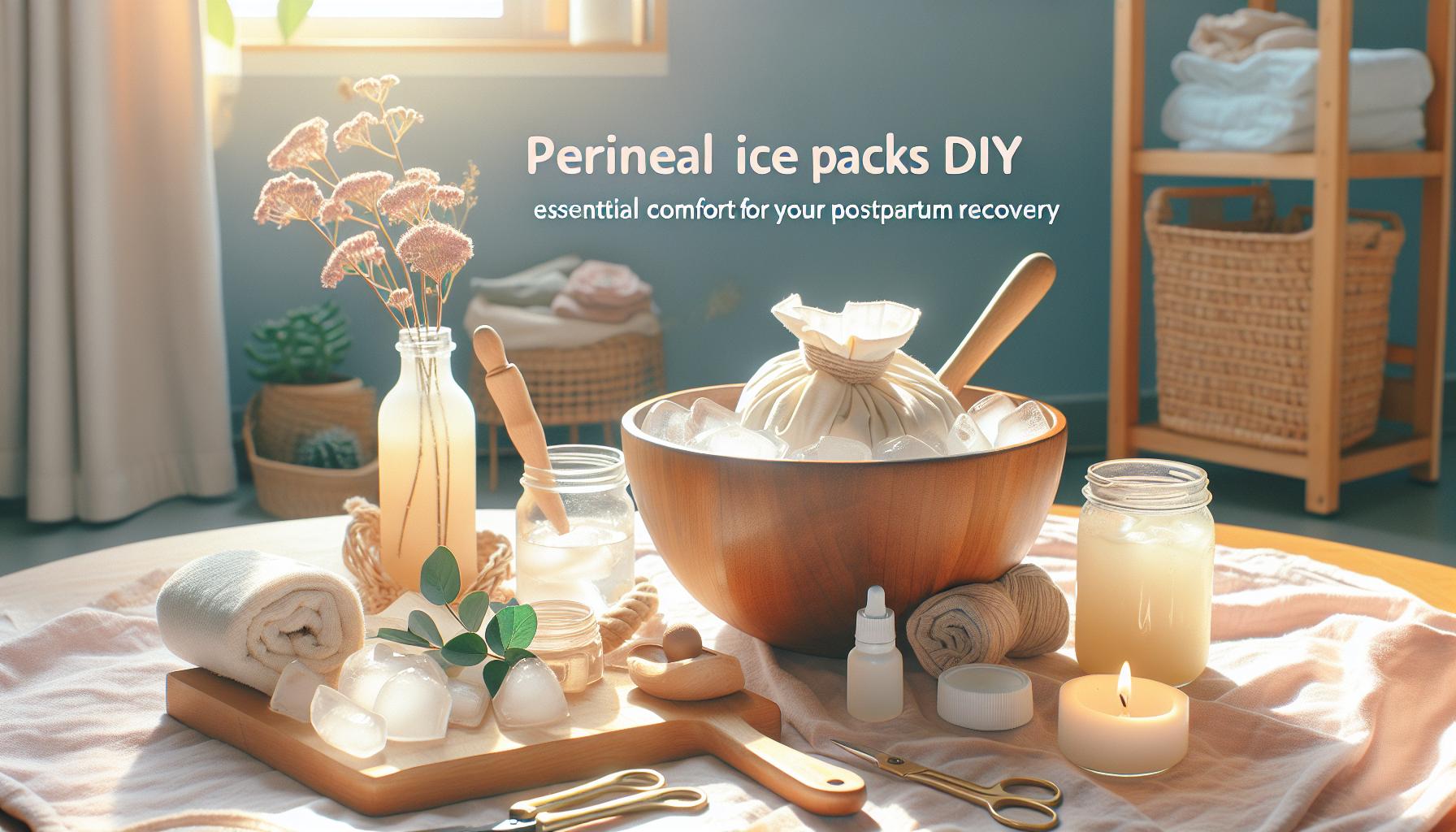
Understanding the Benefits of Perineal Ice Packs in postpartum Care
The Essential Role of Perineal Ice Packs in Postpartum Recovery
After giving birth, many new mothers experience discomfort and swelling in the perineal area, making recovery challenging. This is where the use of perineal ice packs becomes crucial. These DIY solutions provide comforting relief by reducing inflammation and alleviating pain, allowing moms to focus on thier recovery and bonding with their newborns.
Using perineal ice packs can lead to notable benefits during the postpartum period:
- Soothing Swelling: Ice packs can effectively minimize swelling in the perineal area caused by childbirth, promoting faster healing.
- Pain Relief: the cold therapy offers immediate relief from pain, making it easier for mothers to move around and care for their babies.
- Enhanced Comfort: By providing a cooling effect, these ice packs can improve overall comfort, particularly after long hours of labor.
- Easy to Use: Most DIY perineal ice packs can be made quickly with items ofen found at home, such as frozen peas or homemade gel packs.
How to Use Perineal Ice Packs Effectively
For optimal results, follow these simple steps when utilizing perineal ice packs in your postpartum care:
- Preparation: Create your own ice packs by filling a sealable plastic bag with frozen peas or making a gel pack. Wrap it in a soft towel to prevent frostbite.
- Application: Apply the ice pack to the perineal area for 20 minutes at a time, allowing for a break in between applications to avoid excessive cold exposure.
- frequency: Use the ice packs every couple of hours during the initial days postpartum, especially after using the restroom or if feeling particularly sore.
- Storage: Keep several packs ready in the freezer to ensure you always have one on hand when needed.
By incorporating perineal ice packs into your postpartum care routine, you not only facilitate a smoother recovery but also enjoy those precious moments with your newborn with greater ease. These simple yet effective DIY solutions are key for mothers seeking comfort during their healing journey.
How to Make Your Own Perineal Ice Packs at Home
Creating your Own Perineal Ice Packs
Did you know that making your own perineal ice packs can be an easy and cost-effective way to soothe discomfort during postpartum recovery? With just a few simple ingredients and steps,you can create effective and comfortable ice packs that are tailored to your needs. This DIY approach not only saves you money but also allows you to customize the pack’s size and ingredients for the best possible relief.
To make your own perineal ice packs,gather the following materials:
- Resealable plastic freezer bags
- 1 cup of water
- 1 cup of aloe vera gel (optional for soothing properties)
- 1 tablespoon of rubbing alcohol (to prevent freezing solid)
Here’s a straightforward method to craft your ice packs:
- Mix the ingredients: In a bowl,combine water,aloe vera gel (if using),and rubbing alcohol.The alcohol lowers the freezing point of the mixture, ensuring your ice pack remains pliable and easy to wrap around sensitive areas.
- Fill the Bags: Pour the mixture into the resealable plastic freezer bags. Ensure that the bags are not overfilled, leaving some space for the liquid to expand when frozen.
- Seal and Freeze: Remove as much air as possible from the bags before sealing them tightly. Lay the bags flat in the freezer to freeze for a few hours or until solid.
- Apply for Relief: When ready to use, place the ice pack in your mesh underwear or wrap it in a thin cloth to avoid direct contact with your skin. Apply for 15-20 minutes at a time,allowing intervals for recovery.
Storage and Safety Tips
It’s essential to ensure your homemade ice packs stay clean and safe to use. Here are some tips to maximize their lifespan:
| Tip | description |
|---|---|
| Label Packs | Mark the bags with the date they were made to keep track of freshness. |
| Rotation | Keep a couple of packs on hand, rotating them for use and always have a frozen one ready. |
| hygiene | Clean the bags thoroughly after each use to prevent contamination. |
By creating your own perineal ice packs, you can effectively manage discomfort while also stepping into your new role as a parent with comfort and confidence. This DIY solution offers an affordable and simple way to address postpartum pain, ensuring you have the relief you need when you need it most.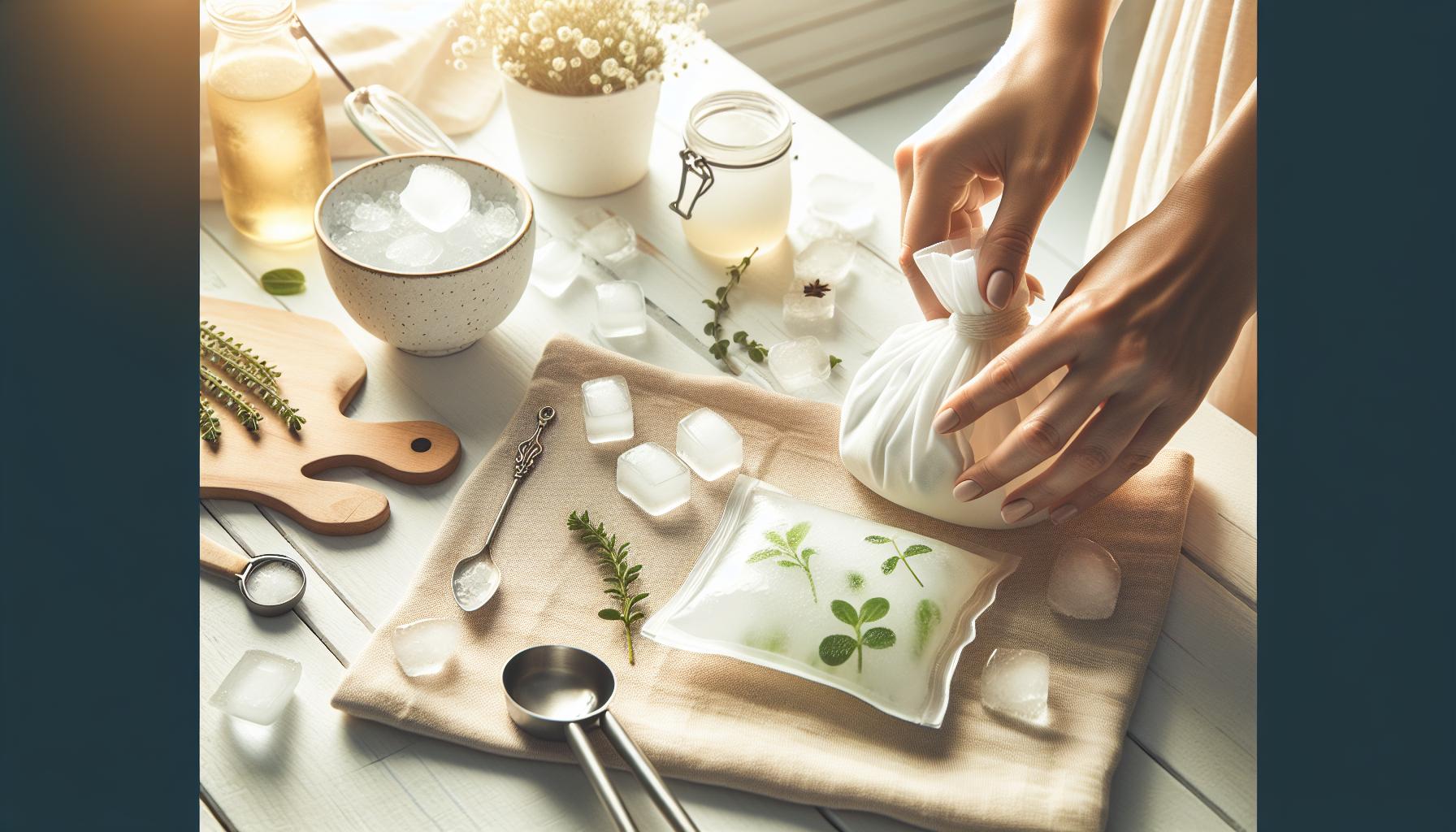
Step-by-Step Guide: using Ice Packs for Maximum Comfort
Getting Started with Perineal Ice Packs
When it comes to postpartum recovery, using ice packs can provide significant relief for discomfort in the perineal area. The cooling effect helps reduce swelling and numbs soreness, creating an essential avenue for comfort. To maximize the benefits, follow these easy steps to prepare and apply your DIY perineal ice packs effectively.
What You’ll Need
Before you start,gather the necessary materials:
- Resealable plastic bags
- water or aloe vera gel
- paper towels or absorbent cloths
- Freezer space
Steps to Create and Use Your ice Packs
| Step | description |
|---|---|
| 1 | Fill resealable plastic bags with equal parts water and aloe vera gel. This combination offers soothing properties and helps maintain flexibility even when frozen. |
| 2 | Seal the bags tightly, removing as much air as possible to prevent leaks. Consider double-bagging for extra protection. |
| 3 | Place the bags flat in the freezer for several hours until they are frozen solid. Aim for a consistency that is not overly hard to maintain comfort on your sensitive areas. |
| 4 | Before applying,wrap the frozen pack in a paper towel or absorbent cloth. This precaution protects your skin from excessive cold and ensures a comfortable application. |
| 5 | Apply the ice pack to the perineal area for about 15-20 minutes at a time. Allow at least 45-60 minutes between sessions to prevent frostbite and give your skin a break. |
By following these straightforward steps, you can create effective perineal ice packs that are not only soothing but also easy to use. Incorporating this simple DIY method can considerably enhance your postpartum recovery experience, providing essential comfort during those early stages of healing. Remember, maintaining consistency with your ice pack treatments can lead to effective relief and a more comfortable recovery process.
Tips for Storing and Preparing Your Ice Packs for Easy access
Maximizing Your Perineal Ice Packs for Postpartum Recovery
After childbirth, comfort becomes a top priority, and having your DIY perineal ice packs readily available can make a significant difference in those first few postpartum weeks. To ensure you get the most out of your ice packs, proper storage and preparation are key. Planning ahead is essential not only for easy access but also for maximizing the ice’s soothing benefits.
- Storage Location: Designate a specific spot in your freezer for the ice packs.This area should be easily accessible, so you don’t have to rummage through frozen vegetables or other items during those challenging moments.
- Pre-freezing Technique: Before filling your ice packs with the recommended mixture, prepare them in bulk. Store them in a zip-lock bag to keep them organized and prevent them from taking on flavors from other foods in the freezer.
- Labeling: If you are making multiple types of ice packs (like those with added herbal infusions), clearly label each pack with it’s ingredients and healing properties. This can help you choose the right pack for your needs quickly.
- Temperature Tips: For optimal cooling, place your ice packs in the freezer for at least a few hours before use. Consider rotating between packs for continuous relief; while one is being used, the other can re-freeze.
Using Your Ice Packs Effectively
To make your postpartum recovery as comforting as possible, it’s important to know the best practices for applying your perineal ice packs.First, always wrap your ice pack in a clean cloth or soft towel to protect your skin from frostbite. Aim for a 20-minute application every couple of hours, especially in the initial days after delivery when swelling and discomfort may peak.
While the ice packs are a great tool for recovery, consider combining them with other comfort measures, such as sitz baths or topical ointments, for enhanced relief. Keeping everything organized and within reach can ease your healing process, allowing you to focus more on recovery and your new bundle of joy.
By strategically storing and preparing your perineal ice packs, you can ensure a smoother postpartum experience. Embrace these tips as part of your self-care routine, allowing you to recover more comfortably during this transformative time.
Recognizing When to Use Ice Packs During Recovery
Understanding the Best Times to Apply Ice Packs
After childbirth, many new mothers experience discomfort in the perineal area due to the physical changes that occur during delivery.One effective way to alleviate this pain is through the use of ice packs, specifically designed for postpartum recovery. utilizing ice packs can significantly enhance comfort, reduce swelling, and expedite healing when applied at the right moments.
Postpartum Recovery Guidelines:
- Immediate Relief: Using ice packs within the first 24-48 hours following delivery can provide immediate pain relief.Ice should be applied for 10-20 minutes at a time, ensuring the area is wrapped to protect the skin.
- Swelling Management: If swelling is particularly pronounced, continuing to use ice packs several times a day can help control inflammation, promoting a quicker recovery.
- Before Activities: Applying ice prior to engaging in activities that may increase discomfort can prepare the body and help mitigate pain levels.
Identifying Symptoms that Warrant Ice Use:
It’s essential for postpartum mothers to recognize specific symptoms that indicate when an ice pack is necessary. Look out for:
- Increased pain following physical activity
- Notable swelling or tenderness in the perineal area
- Discomfort associated with urinary or bowel movements
By monitoring these symptoms, mothers can effectively use perineal ice packs for DIY recovery, ensuring they remain comfortable during a significant healing period. The strategic use of ice not only aids in physical recovery but can also offer emotional relief, allowing mothers to focus on bonding with their newborns rather than being distracted by pain.
Alternative Comfort Measures to Consider Alongside Ice Therapy
Enhancing Recovery with Complementary Comfort Measures
When it comes to postpartum recovery, ice therapy using perineal ice packs is a well-established method for soothing discomfort.though, there are numerous alternative comfort measures that can enhance this method and significantly promote healing and well-being. By integrating different strategies, new mothers can create a comprehensive recovery plan that addresses various needs.
Herbal Remedies and Essential Oils
Incorporating herbal remedies can provide additional relief. As an example, witch hazel is known for its soothing properties and can be applied topically to help with swelling and inflammation. Similarly,chamomile essential oil has anti-inflammatory effects and can be soothing when added to a warm bath. Consider making a soothing sitz bath by combining warm water with a cup of dried chamomile or lavender. This not only promotes relaxation but also aids in the healing of perineal tissues.Gentle Movement and Breathing Exercises
Movement,albeit gentle,can be incredibly beneficial during postpartum recovery. Engaging in light walking or postpartum yoga can promote circulation and reduce stiffness, enhancing overall comfort. Breathing exercises can also play a key role in relaxation and pain management,helping mothers to manage their physical and emotional states effectively.These practices can provide a deeper sense of connection to one’s body as it heals, allowing for a more positive recovery experience.
Supportive Wraps and Pillows
Utilizing supportive items such as postpartum wraps or specially designed pillows can make a significant difference. These products can alleviate pressure on sensitive areas, providing support for the back and hips during breastfeeding or sitting. opt for pillows that conform to the body’s shape, offering customizable support while ensuring comfort. Additionally, using a perineal donut pillow can distribute weight away from the perineum, further enhancing comfort during the healing process.
Combining Techniques for Maximum Comfort
All these comfort measures, when used in conjunction with perineal ice packs, can help in managing postpartum discomfort more effectively. Here’s a fast reference table summarizing these alternative measures:
| Comfort measure | Benefits | Application |
|---|---|---|
| Herbal Remedies | Reduces swelling, provides anti-inflammatory effects | Topical applications or sitz baths |
| Gentle Movement | Improves circulation, reduces stiffness | Postpartum yoga and light walking |
| Supportive Wraps/Pillows | Offers additional support, reduces pressure | Use while sitting, nursing, or resting |
By considering these alternative comfort measures alongside the use of DIY perineal ice packs, mothers can create a sanctuary of healing that respects their body’s needs during this sensitive time. Combining these methods not only promotes physical healing but also supports mental and emotional well-being, making the postpartum experience more manageable and enjoyable.
expert Insights: What Healthcare Providers Say About Perineal Care
Understanding the Importance of Perineal Care
Providing adequate perineal care is paramount for postpartum recovery, as affirmed by healthcare providers. After childbirth, the perineal area often experiences swelling and discomfort, prompting the need for effective care practices that promote healing. Experts recommend integrating DIY solutions such as perineal ice packs, which can significantly alleviate pain and inflammation during the early recovery stages. These homemade packs not only provide physical relief but also enhance overall comfort for new mothers, helping them navigate their postpartum journey more smoothly.
Practical Tips for Effective perineal Care
Healthcare professionals emphasize the following actionable steps to ensure proper perineal care:
- Maintain Hygiene: When handling perineal care, it is crucial to maintain clean hands and tools. Regular washing of the area with mild soap and water can prevent infections.
- Utilize Ice Packs: DIY perineal ice packs are recommended, particularly within the first 48 hours postpartum. These can be made easily with frozen products wrapped in a soft towel to minimize discomfort.
- Monitor for Unusual Symptoms: Healthcare providers advise monitoring for symptoms such as excessive pain or unusual discharge, which could indicate complications requiring medical attention.
Feedback from Healthcare Providers
Providers stress the importance of education and support in postpartum recovery, especially regarding perineal care. nurses and midwives often provide valuable insights on how to effectively create and utilize perineal ice packs at home.They highlight that simple DIY methods can empower new mothers to take control of their recovery, leading to improved physical well-being and emotional support. Moreover, regular follow-ups are encouraged to ensure that mothers feel confident in their care practices, which can significantly enhance their overall postpartum experience.
| Feedback Type | Healthcare Provider Insight |
|---|---|
| Importance of Hygiene | Ensure cleanliness to prevent infections in the sensitive area. |
| DIY Ice Packs | Using homemade perineal ice packs can help reduce swelling and pain. |
| Symptom Monitoring | Watch for excessive pain or changes, and seek professional advice when necessary. |
By utilizing expert advice and home-based strategies such as perineal ice packs, postpartum recovery can be a more manageable process, enabling new mothers to focus on their healing and bonding with their newborns.
A New Parent’s Journey: Real Experiences with Ice Pack Relief
Finding Comfort: Real Experiences with Ice Packs
for new parents, the postpartum period can be a whirlwind of emotions and physical recovery. One of the most discussed topics among new moms is the relief provided by perineal ice packs. These simple DIY solutions have proven to be game-changers when it comes to soothing discomfort during recovery. Many women have shared how these ice packs not only ease pain but also help reduce swelling, making everyday tasks a little less daunting.
- Quick Relief: Many new moms report that using these ice packs immediately after delivery significantly alleviated pain, making it easier to sit and move around.
- Simple Setup: The beauty of DIY perineal ice packs is in their accessibility. Using common household items like a ziplock bag filled with water, or even looser frozen vegetables, women have found instant solutions that are both effective and economical.
- Comfort in Variety: Some parents have taken the comfort a step further by adding soothing elements, such as aloe vera gel, to their ice packs. This not only enhances the cooling effect but also promotes healing.
For those who may worry about the technique, real-world examples show it’s all about personalizing the process. Some prefer to use the packs after a shower, allowing the warmth of the water to relax their muscles first before applying the ice. Others find relief by using them on a schedule, regularly icing the area to maintain comfort throughout the day.
| Method | Description | Tip |
|---|---|---|
| Classic Ice Pack | Ziplock bag filled with ice or frozen vegetables. | Wrap in cloth to avoid direct skin contact. |
| Aloe Vera Pack | Aloe gel in a ziplock frozen for soothing relief. | Apply for 10-15 minutes for best results. |
| Herbal Infusion | Tea bags steeped in water, then frozen in a pack. | Choose calming herbs like chamomile. |
the journey of postpartum recovery can be profoundly individual, yet the experiences shared by mothers highlight the pivotal role that simple tools like perineal ice packs can play. Hearing about the comfort they provide reinforces the importance of self-care during this challenging yet rewarding time.
FAQ
What are Perineal Ice Packs DIY?
Perineal Ice Packs DIY are homemade solutions designed to provide cold therapy to the perineal area after childbirth. They help relieve discomfort, swelling, and pain during postpartum recovery.
These ice packs can be made using simple materials, such as gel-filled bags, cloth pads, or even frozen vegetable packs, ensuring comfort and soothing effects. Using perineal ice packs can significantly enhance your recovery by giving immediate relief, which is vital during this period.
How do I make Perineal ice Packs DIY?
Making Perineal Ice Packs DIY is simple. Just fill a resealable bag with water and a small amount of rubbing alcohol, then freeze it. This combination creates a slushy texture that molds easily to your body.
Another option is to soak a cloth pad in a soothing liquid like witch hazel, then freeze it for added relief. Wrapping the pack in a soft cloth can help avoid direct contact with your skin.Explore more about these techniques to boost your comfort in postpartum recovery.
Why should I use Perineal Ice Packs DIY after childbirth?
Using perineal Ice Packs DIY after childbirth can help reduce inflammation and ease the pain associated with vaginal delivery.Cold therapy provides a soothing effect that can make a significant difference in comfort levels.
Many new mothers find that applying cold therapy for 20 minutes at a time offers considerable relief from the discomfort that can occur during the early days of recovery. This method is not only effective but also an economical way to care for your postpartum needs.
Can I use store-bought Perineal Ice Packs instead of DIY?
Yes, you can choose store-bought Perineal Ice Packs instead of DIY options. Products are available specifically designed for postpartum care and often come with features like soothing gel or medicated ingredients.
while DIY perineal ice packs are a cost-effective solution, store-bought packs can offer convenience and consistent cooling. Ultimately, the choice depends on your personal needs and preferences during postpartum recovery.
How often should I apply Perineal ice Packs DIY?
You can apply Perineal Ice Packs DIY every 2-3 hours for the first few days after delivery. This frequency helps manage swelling and discomfort effectively.
Each application should last about 15-20 minutes,allowing your body to feel relief while preventing overexposure to cold. Balancing rest and ice therapy can enhance your overall recovery experience.
What ingredients can I use in Perineal Ice Packs DIY?
You can use various ingredients for Perineal Ice Packs DIY, including water, witch hazel, and aloe vera gel. These materials provide soothing properties that support your recovery.
Using a combination of these can enhance the effectiveness of your ice packs. For example, witch hazel offers anti-inflammatory benefits that complement the cooling effect of ice.
Are there any risks to using Perineal ice Packs DIY?
while using Perineal Ice Packs DIY is generally safe, it’s important to avoid applying ice directly to the skin to prevent frostbite. Always wrap the ice pack in a cloth.
If you experience increased pain or skin irritation, it’s best to discontinue use and consult a healthcare provider. Listening to your body is key during your recovery.
In Summary
creating your own perineal ice packs can be a simple yet effective way to support your recovery during the postpartum period. By utilizing readily available materials, you can tailor these ice packs to provide the soothing relief you need for perineal discomfort, swelling, and bruising. remember, the postpartum journey can be challenging, and taking steps to care for your body is vital. We encourage you to explore more about postpartum recovery and share your experiences with friends and family. Every parent’s journey is unique,and your bravery in navigating this new chapter deserves to be celebrated! Feel free to browse through our other articles for more tips,tricks,and support as you embrace the new joys and challenges of parenthood.


