
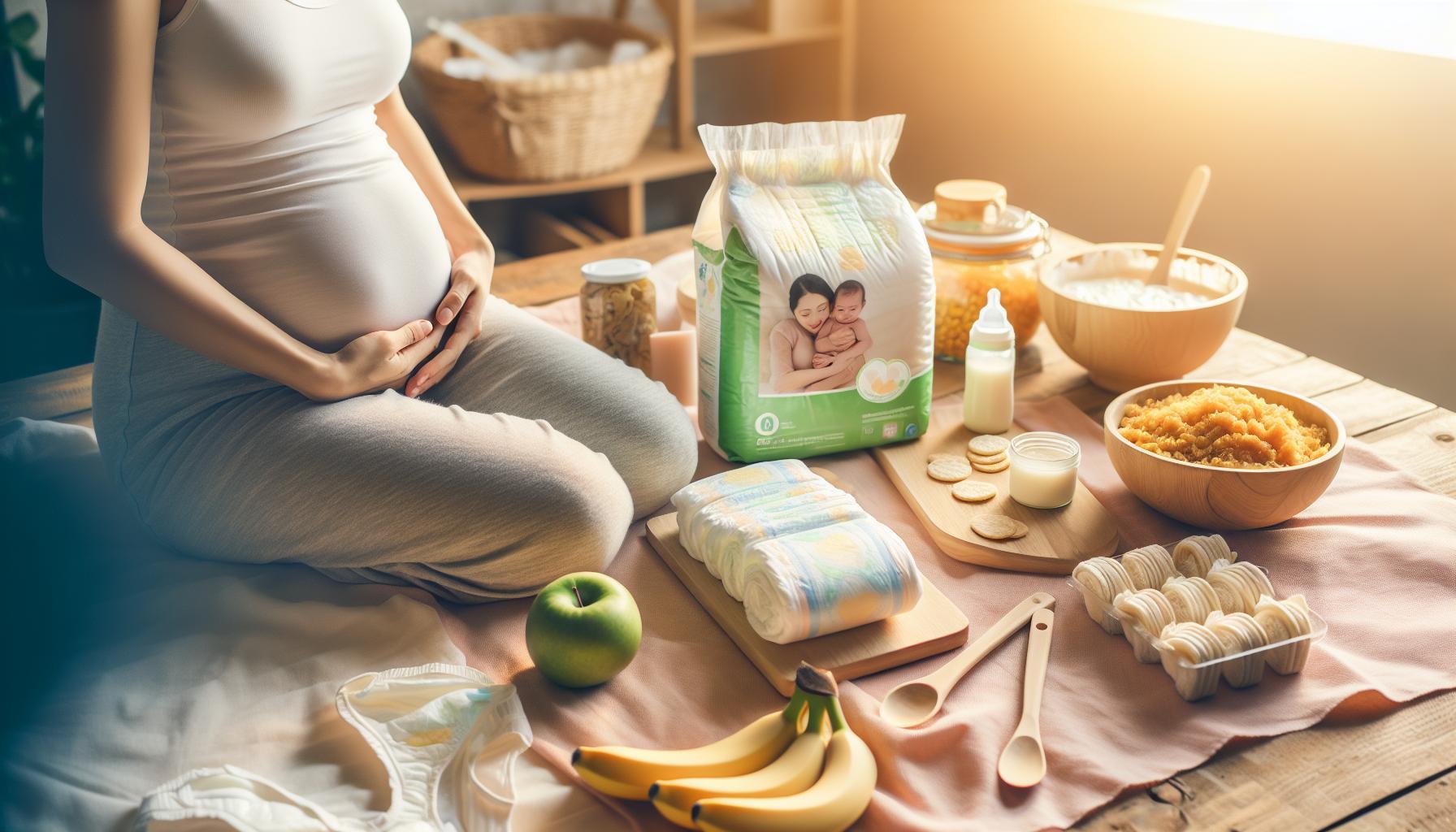
Navigating postpartum life can feel overwhelming, especially when it comes to managing adult diaper needs while preparing your baby food station. Understanding how many adult diapers you’ll need is crucial for ensuring comfort and confidence during recovery. This guide provides essential tips for both diaper prep and baby food institution, helping you embrace this new chapter with ease.
Understanding the Need for Adult Diapers After Birth
After giving birth, many women experience a range of physical changes and challenges, one of which can be managing incontinence. This can create a need for a practical solution,such as adult diapers. Understanding thes needs is essential for postpartum recovery and can considerably enhance comfort during the early stages of motherhood.
The Reality of Postpartum Incontinence
It’s critically important to acknowledge that postpartum incontinence can affect new mothers, especially in the weeks promptly following childbirth. the body undergoes significant shifts, and factors such as hormonal changes, physical trauma from delivery, and muscle weakening can contribute to incontinence. According to various studies, nearly 30% of women may experience some form of urinary incontinence during the postpartum period.
Why Adult Diapers are a Sound Choice
Using adult diapers can provide several benefits during this transitional time:
- Convenience: Adult diapers are designed for easy application and removal, providing new moms with a hassle-free way to manage leaks while they focus on their newborn.
- Comfort: Modern adult diapers have improved materials and designs, making them comfortable to wear for extended periods.
- Safety: They provide a reliable barrier, allowing mothers to feel confident when engaging in both daily activities and intimate moments with their babies.
- Support for Healing: Staying dry can reduce the risk of skin irritation and promote faster healing during postpartum recovery.
How Many Adult Diapers Will You Need?
The quantity of adult diapers you may require can vary greatly depending on your specific situation, including the extent of incontinence, activities planned, and personal comfort levels. here’s a rough guideline to help you plan:
| Activity | Estimated Daily Usage | Recommended Stock for First Two Weeks |
|---|---|---|
| Resting at Home | 3-5 | 30-40 |
| Out and About (Doctor’s Appointments, Errands) | 3-4 | 20-30 |
| Nighttime Use | 1-2 | 14-28 |
By planning ahead and understanding how many adult diapers you might need postpartum, you can ensure that you are prepared for any surprises that may arise after your baby’s arrival. This readiness not only eases worries but also fosters a more comfortable transition into motherhood. Investing time in arrangements from the beginning will spare you inconvenience down the line, allowing you to focus on what matters most—bonding with your newborn.
The Right Quantity: How to Determine Your Postpartum Diaper Needs

One of the most surprising aspects of postpartum recovery is the necessity of adult diapers, which can be a game changer for new mothers navigating the early days after childbirth. Understanding how many adult diapers you’ll need can make a significant difference in your comfort and peace of mind, letting you focus on bonding with your baby instead of managing unexpected leaks.
Assessing Your Postpartum Needs
There are several factors that play a role in determining your postpartum diaper requirements:
- length of Bleeding: The duration and amount of lochia, or postpartum bleeding, vary widely from one person to another. On average,it can last up to six weeks.
- type of Birth: Women who have undergone a Cesarean section may experience different bleeding patterns than those who had a vaginal birth.
- Personal Comfort: Some mothers may prefer to change their diapers more frequently for added comfort, while others may find that less frequent changes suffice.
By acknowledging these factors, prospective parents can better gauge how many adult diapers they require during recovery.
Calculating the Right Quantity
to help you determine your required supply,it’s helpful to analyze typical usage patterns based on recovery stages. Here’s a simple guideline:
| Week Postpartum | Average Diaper Usage/Day | Estimated Total Needs |
|---|---|---|
| 1 | 6-8 | 42-56 |
| 2 | 5-7 | 35-49 |
| 3 | 4-6 | 28-42 |
| 4 | 3-5 | 21-35 |
| 5-6 | 2-4 | 14-28 |
Using this guideline, if you anticipate needing about 7 diapers a day during the first week, you may want to stock up on approximately 50-60 adult diapers to ensure you’re well-prepared as you recover.
Stocking Up Wisely
Once you’ve calculated your needs, consider strategic stockpiling. Buying in bulk can save money and ensure you have enough on hand without creating waste. It’s also worth noting that many brands offer trial packs, enabling you to discover which style fits your comfort level best before investing in larger quantities.
Engaging with your healthcare provider can provide additional insights tailored to your specific situation, helping to further refine your estimate of how many adult diapers you’ll need postpartum. With thoughtful preparation and the right supplies,you can ease into motherhood with less stress and more confidence.
Choosing the Best Adult diapers for Comfort and Functionality

Understanding the Importance of Choosing the Right Adult Diaper
Finding the right adult diaper can significantly enhance comfort and functionality during the postpartum period.after giving birth, your body goes through many changes, and while the focus is frequently enough on the baby’s needs, it’s equally critically important to ensure that your own wellness and comfort are prioritized. According to healthcare professionals, wearing the appropriate diaper can prevent discomfort and skin irritation, making this choice essential for recovery. It’s not just about absorbing leakage; it’s about boosting your confidence during a sensitive phase of life.
Key Factors to Consider
When selecting adult diapers, consider the following essential features that can directly impact comfort and functionality:
- Absorbency: The level of absorbency you need can vary during the early postpartum days. Look for options that can handle heavier flows, especially within the first few weeks.
- Size and fit: An incorrect size can lead to leaks or skin irritation.Measure your waist and hips to find the appropriate size and opt for adjustable features that allow a customized fit.
- Breathability: Choose materials that allow airflow to the skin to reduce moisture buildup and prevent rashes.
- Discreteness: Consider thin, discreet designs that won’t add bulk under clothing yet still provide the protection you need.
Popular Brands and Their Features
Here’s a table showcasing some popular adult diaper brands, highlighting their unique features and suitability for postpartum use. This can serve as a rapid reference to streamline your decision-making process:
| Brand | Absorbency Level | Size Range | Special Features |
|---|---|---|---|
| Depend | high | Small to XXL | Odor control, breathable materials |
| Attends | Moderate to High | Medium to XL | Skin-friendly, soft lining |
| Tena | High | Small to Large | Heavy leakage protection, adjustable tabs |
| Tranquility | Very High | XS to XXL | Maximum absorbency, overnight options |
Incorporating these details into your planning can definitely help ensure that you are fully prepared for postpartum recovery and equipped to handle the challenges that come with it. Choose wisely, knowing that the right adult diaper can play a pivotal role in your overall postpartum comfort, allowing you to focus more on your new bundle of joy while feeling confident and secure.
Essential tips for a Smooth Postpartum Transition

The postpartum phase can be both exhilarating and overwhelming. With a whirlwind of emotions and the intense joy of welcoming a new baby, adjusting to the physical changes can prove challenging.One aspect that is often overlooked is the practical preparation that significantly eases this transition, such as understanding the essentials you’ll need. Among those essentials is knowing how many adult diapers you will require postpartum,which can definitely help you feel more in control during a transformative time.
Prepare Your Supplies
Getting your postpartum supply station set up in advance can make a world of difference.This includes not just adult diapers but other crucial items like perineal sprays, ice packs, and comfortable underwear. Here’s a checklist to consider:
- Adult diapers (various sizes)
- Perineal botle for cleansing
- Disposable ice packs
- Comfortable postpartum underwear or mesh briefs
- hygiene wipes
- Hydration bottle to support healing
Having these supplies on hand will ensure that you are not scrambling to manage discomfort or heal during the first few weeks after childbirth.
Know the Numbers
It’s essential to calculate how many adult diapers you may need in those first crucial days to avoid any late-night runs to the store. A good rule of thumb is:
| Days Postpartum | Estimated Number of Diapers |
|---|---|
| 1-3 days | 8-10 per day |
| 4-7 days | 6-8 per day |
| 1-2 weeks | 4-6 per day |
| 2-6 weeks | 2-4 per day |
This guide offers a realistic estimate based on common experiences, allowing you to stock up accordingly, ensuring that you don’t run out unexpectedly.
Streamline Your Routine
Establishing a routine can relieve some of the anxiety associated with the postpartum transition. Dedicate a specific area of your home for your postpartum essentials, making them easily accessible. Remember, healing is vital, so take the time to prioritize rest and self-care.You can incorporate short, manageable activities such as gentle walking or stretching into your daily routine to keep yourself active—this can help improve circulation and expedite recovery.By knowing how to prepare adequately for physical self-care, including how many adult diapers you need postpartum and other supportive items, you can focus more on cherishing those early moments with your baby.
Setting Up Your Baby Food Station: What You Need to Know

Setting up a baby food station can transform mealtime into a delightful experience for both you and your little one. With the right preparation, you can ensure that your baby’s nutritional needs are met while making the process as smooth as possible. Proper organization minimizes chaos and maximizes efficiency—especially helpful for new parents juggling multiple tasks. Here’s how to create an effective baby food station at home.
Essential components of Your Baby Food Station
Creating a well-organized baby food station requires consideration of several key components. Your station should be easily accessible, functional, and safe for your infant. Here are the essentials to have on hand:
- High-quality storage containers: Opt for BPA-free jars, silicone trays, or freezer bags that are easy to label and store. These will keep your homemade baby food fresh and safe.
- Blender or food processor: A reliable appliance is essential for pureeing fruits, vegetables, and grains.Look for options with multiple speed settings for better consistency.
- Steamer or pot: Cooking tools are crucial for preparing veggies and fruits. A steamer helps retain nutrients while providing a consistent texture for your baby’s food.
- Measuring spoons and cups: These tools will help you follow recipes accurately and portion sizes for your baby’s age.
- Labels and a marker: Identifying each container helps you track what you’ve made and avoid confusion during mealtimes.
Organizing Your Space
An organized baby food station is not just about having everything in place; it’s also about creating an efficient workflow.Consider designating specific areas for preparation, cooking, and storage.
| Area | Purpose | Contents |
|---|---|---|
| Preparation | Chopping and measuring ingredients | Cutting board, knives, measuring spoons, bowls |
| Cooking | Cooking ingredients to the desired texture | Steamer, pot, blender, food processor |
| Storage | Storing prepared food | BPA-free containers, freezer bags, labels |
Making Baby Food Efficiently
Your baby’s dietary journey begins with wholesome foods, which can be easier to prepare than you think. Batch cooking can save time; consider steaming and pureeing several servings at once.For variety, experiment with different ingredients and flavors to keep mealtimes exciting. Remember to introduce new foods gradually and observe how your baby adjusts, ensuring a smooth transition.By setting up your baby food station with these considerations in mind,you’ll not only streamline the feeding process,but you’ll also explore the joys of making nutritious meals for your child. This thoughtful preparation can make a positive impact during those important early years of growth and advancement.
Balancing Recovery and Care: Practical Advice for New Parents
Finding the Right Balance Between Recovery and Care
Navigating the early days of parenthood often feels like a whirlwind of change, emotion, and new responsibilities. After childbirth, your body experiences a multitude of changes, requiring time and care for recovery.Understanding how to balance recovery while also prepping to care for your baby can significantly impact your mental and physical well-being, making it essential to prioritize both aspects.
To start,self-care is paramount. Your body has just endured a significant event, whether through vaginal delivery or cesarean section, and needs proper nourishment and rest to heal. Consider creating a meal plan focusing on nutrient-rich foods that will support your recovery. Foods high in iron, protein, and fiber not only help replenish your energy but also aid in the healing process. For example, including leafy greens, lean meats, and whole grains can make a big difference. Regular hydration is also crucial, as it supports overall health and aids in milk production if you are breastfeeding.
Equally critically important is organizing practical resources around your home.When considering how many adult diapers you need postpartum, prepare a dedicated station at home with all the essentials at arm’s reach. This should include adult diapers, sanitary pads, wipes, and any other comfort items. Setting up a baby food station will streamline feeding times, ensuring you have all the necessary supplies ready, which can minimize stress for both you and your partner. A designated space can be a magical ally during sleepless nights, allowing you to focus on your baby’s needs and your own recovery.
Here’s a simple checklist to ensure you’re well-prepared:
- Adult Diapers: Stock up on various sizes and styles.
- Postpartum Supplies: Include pads, cleansing sprays, and comfortable clothing.
- Nourishing Snacks: Keep healthy, easy-to-grab snacks nearby.
- Hydration: Have water bottles or electrolyte drinks readily available.
Remember, this transitional period can be overwhelming, but taking proactive steps and creating a nurturing surroundings can ease the load. Focus on healing and bonding with your baby, and don’t hesitate to seek help when needed. The journey of recovery and parenthood is a partnership; being prepared can make all the difference in enjoying this stunning time.
Managing Postpartum Challenges with Confidence and Grace
Pregnancy and childbirth bring a whirlwind of emotions and experiences, both exhilarating and overwhelming. One of the less glamorous aspects of the postpartum journey involves managing your body’s recovery, particularly with the use of adult diapers. Many new parents find themselves wondering, how many adult diapers do I need postpartum? The answer can greatly influence your confidence and comfort in these early days with your newborn.
Understanding Your Needs
After giving birth, your body will undergo significant changes, making it essential to prepare adequately for postpartum recovery. Adult diapers can be a practical choice for managing postpartum bleeding and supporting your recovery.The amount you will need can vary based on several factors, including:
- Type of Delivery: Vaginal births typically involve more bleeding than cesarean deliveries.
- Individual Recovery: Each woman’s body heals differently; some may experience heavier flows than others.
- Duration of Postpartum Bleeding: Typically lasting several weeks, understanding this can help determine how many diapers you’ll require.
to simplify your planning, consider using the following table as a guideline for how many adult diapers to have on hand during your postpartum period:
| Postpartum Week | Average Number of Diapers Needed |
|---|---|
| 1 | 8-10 per day |
| 2 | 6-8 per day |
| 3 | 4-6 per day |
| 4+ | 2-4 per day |
Practical Tips for a Smoother transition
Preparing not just for your baby’s arrival but for your own recovery is crucial. Here are some actionable steps that can ensure you manage your postpartum challenges with confidence and grace:
- Stock Up Early: Before your baby comes, purchase a variety of adult diapers to find the level of absorbency that suits you best. Test different brands to ensure comfort and effectiveness.
- Create a Recovery Station: Set up a dedicated area in your home for postpartum essentials. Include adult diapers, soothing creams, and other supplies, so everything is easily accessible during your recovery.
- Seek Support: Don’t hesitate to ask a partner, family member, or trusted freind for help during this time. Whether it’s picking up additional diapers or just lending an ear, support can make all the difference.
- Be Gentle with Yourself: Remember that postpartum healing is a process. give yourself grace, and allow time for your body to recover.
Navigating the early postpartum period doesn’t have to be an overwhelming endeavor. By preparing yourself with knowledge and resources, including the question of how many adult diapers do you need postpartum, you can embrace this transformative time with poise, focusing on your new role without undue stress.
Empowering Yourself: Resources for Postpartum Care and Support
Understanding Your Postpartum Needs
Preparing for postpartum recovery requires a thorough understanding of not just basic supplies but also emotional support and resources. The transition after childbirth can be overwhelming, and being equipped with the right knowledge can empower new parents to navigate this critical phase confidently. One vital area to consider is how many adult diapers do you truly need postpartum. This frequently enough overlooked necessity can make a significant difference in the comfort and confidence of postpartum recovery.
Essential Supplies for Comfort and Care
When stocking your postpartum care station, consider not only adult diapers but also an assortment of other supplies that will enhance your recovery experience. Create a checklist of essentials that includes:
- Adult Diapers: Invest in a variety of sizes to find the best fit for your needs.
- Perineal Ice Packs: These can definitely help reduce swelling and provide pain relief.
- Witch Hazel Pads: Cooling and soothing, these are excellent for providing additional comfort.
- Breast pads: Essential for managing postpartum breast changes.
- Comfortable Underwear: Opt for larger sizes that accommodate postpartum changes.
Getting the right number of adult diapers is crucial. On average, new mothers might need anywhere from 12 to 20 adult diapers during the first few days postpartum, as bleeding can vary significantly from person to person.
Emotional and Community Support
In addition to physical care supplies, emotional support is equally vital during this transition. Joining local or online support groups can provide an avenue for sharing experiences and coping strategies. look for forums or community groups focused on postpartum journeys where you can connect with other new parents. These resources often offer insights into navigating common challenges, from breastfeeding to managing postpartum depression.Consider using tools like postpartum planners or journaling to track your recovery progress and emotions. This practice can provide clarity and foster a sense of control during a time of rapid change.
Building Your Postpartum Station
To effectively prep your baby food station, you’ll also want to ensure it complements your recovery by keeping you nourished.An organized space can definitely help streamline the preparation of healthy meals. Incorporate elements such as:
| Food Item | Benefits | Preparation Tips |
|---|---|---|
| Oatmeal | High in fiber; keeps you full. | Prepare in batches for easy access. |
| Fruit Smoothies | Quick energy boost; packed with vitamins. | Freeze individual portions for convenience. |
| Protein Snacks | Essential for recovery; supports milk production. | include options like nuts, yogurt, or cheese. |
By combining physical supplies with a supportive community and proper nutrition, you seamlessly empower yourself during the postpartum period. This holistic approach not only aids in recovery but also enhances your overall well-being as you embark on your journey of parenthood.
Q&A
How many adult diapers do I need postpartum?
The number of adult diapers you’ll need postpartum varies, but most women use between 20-30 diapers in the first week. During the early days after birth, expect heavier bleeding, known as lochia, which typically subsides over time.
It’s helpful to have a sufficient supply on hand as each woman’s recovery is unique. Stocking up can give you peace of mind, so you’re prepared no matter what. Don’t hesitate to consider factors like the length of your hospital stay and whether you plan to breastfeed, as these may influence your needs. For more tips on postpartum care, check out our guide on postpartum care essentials.
What is the best type of adult diaper to use postpartum?
The best type of adult diaper postpartum is often a high-absorbency, breathable option. Look for features like soft materials and elastic sides for a comfortable fit.
Brands specifically designed for postpartum use often offer extra absorbency for heavier flow days. It’s also wise to choose a size that matches your body shape. Some women may prefer disposable options for ease, while others might lean towards reusable cloth diapers for sustainability. Experimenting with different styles can help you find what feels best.
Can I use regular pads instead of adult diapers after delivery?
You can use regular pads after delivery, but adult diapers may offer better protection during the initial heavy bleeding phase. They typically provide wider coverage and higher absorbency.
While pads are a suitable option after a few days, adult diapers can help you feel more secure and comfortable in the first week. Remember to prioritize your comfort and hygiene; if pads work for you, that’s perfectly fine! Be sure to monitor your recovery, as changing products may be needed as your flow lightens.
Why do I need to prepare a baby food station postpartum?
Preparing a baby food station postpartum is essential for organization and efficiency during a hectic time. With a newborn, having easy access to baby food can make feeding more manageable.
Creating a designated space with stocked supplies helps streamline your feeding routine. Items like baby spoons, bowls, and pureed meals should be easily accessible. This not only saves time but ensures you spend more quality moments with your little one. For tips on organizing your baby food station, check out our article on organizing your baby food essentials.
How long will I need adult diapers after giving birth?
Most women need adult diapers for about 1-2 weeks postpartum. However, it may vary based on individual recovery and postpartum bleeding.
Typically, lochia starts heavy but lightens over time. After around 2 weeks,many new moms switch to pads as the flow decreases. Keeping an eye on your body and comfort level is essential,as some may require more time with adult diapers. Don’t feel rushed; listen to your body as it heals.
Can I reuse adult diapers postpartum?
Adult diapers are generally designed for single-use and should not be reused. Reusing them can lead to hygiene issues and increase the risk of infections.
Though the idea may seem appealing from a cost perspective, prioritizing personal health is crucial, especially postpartum. Instead, consider purchasing bulk packs or exploring cost-effective brands that fit your budget for the duration of postpartum recovery.
What should I know about postpartum bleeding and adult diapers?
Understanding postpartum bleeding is key when using adult diapers. This bleeding usually lasts several weeks and starts heavy before tapering off.
Initially, the flow will be brighter red and may include clots. As the days progress, it transitions to a brown or yellowish color. Using adult diapers can provide comfort and security during this natural recovery process.Staying informed about what to expect helps ease the transition into motherhood.
In Retrospect
As you navigate the postpartum journey, having the right supplies on hand can make all the difference. remember, there’s no one-size-fits-all answer to how many adult diapers you’ll need; it truly depends on your unique situation.Preparing your baby food station alongside monitoring your postpartum essentials can create a smoother transition during this beatiful yet challenging time.
Take each day as it comes, and don’t hesitate to ask for help or reach out to fellow parents. You’ve got this! We encourage you to explore more about postpartum care and baby food preparation in our other articles. Your journey is just beginning, and we’re here to support you through every step. Share your experiences and insights with our community—together, we can empower one another on this rewarding adventure of parenthood!


