

Navigating the postpartum period can be overwhelming, especially when it comes to preparing baby food safely. Using essential oils may enhance the cooking experience, but its crucial to choose options that are safe around infants. This guide explores effective and safe essential oils, ensuring new moms can create nutritious meals while enhancing their wellbeing naturally.
Understanding the Benefits of Essential Oils in the Postpartum Period

Unlocking the Healing Power of Essential oils Postpartum
The postpartum period can be both a joyous and overwhelming time for new mothers. Amidst the challenges of recovery and adjustment, essential oils emerge as a natural ally, offering a range of benefits that promote physical and emotional well-being. By integrating safe options into daily routines, mothers can harness the therapeutic properties of these oils to enhance their postpartum experience, especially when it comes to baby food readiness.
Essential oils such as lavender, frankincense, and copaiba have been celebrated for their holistic properties. These oils are not only soothing but also work to reduce stress and promote relaxation, crucial elements in the healing journey after childbirth. Incorporating them into daily activities can provide a calming atmosphere that benefits both mother and baby. For instance, adding a few drops of lavender essential oil to a diffuser during meal prep can create a serene cooking surroundings, making food preparation a more enjoyable task.
Managing Emotions and Promoting Bonding
The postpartum phase can bring emotional fluctuations; however, the use of specific essential oils can play a pivotal role in mood enhancement. According to research, bergamot essential oil has shown effectiveness in alleviating depressive moods in postpartum women, providing much-needed emotional support during this vulnerable time [3]. By creating a comforting space infused with bergamot, mothers might find it easier to connect with their newborns, thereby fostering a nurturing relationship right from the start.
To integrate essential oils safely during baby food preparation, consider the following guidelines:
| Essential Oil | Benefits | Usage Tips |
|---|---|---|
| Lavender | Promotes relaxation and reduces stress | Diffuse while preparing meals |
| Frankincense | Supports cellular repair | Add a drop to cooking oils |
| Bergamot | Alleviates depressive moods | Inhale directly or use in a diffuser |
By understanding and applying the benefits of essential oils in the postpartum period, mothers can create a soothing environment that not only aids their recovery but also enriches their new role. Embracing these natural options can make everyday activities, such as baby food preparation, an chance for self-care and bonding with their little ones.
Safe Essential Oils for Baby-Friendly Food preparation
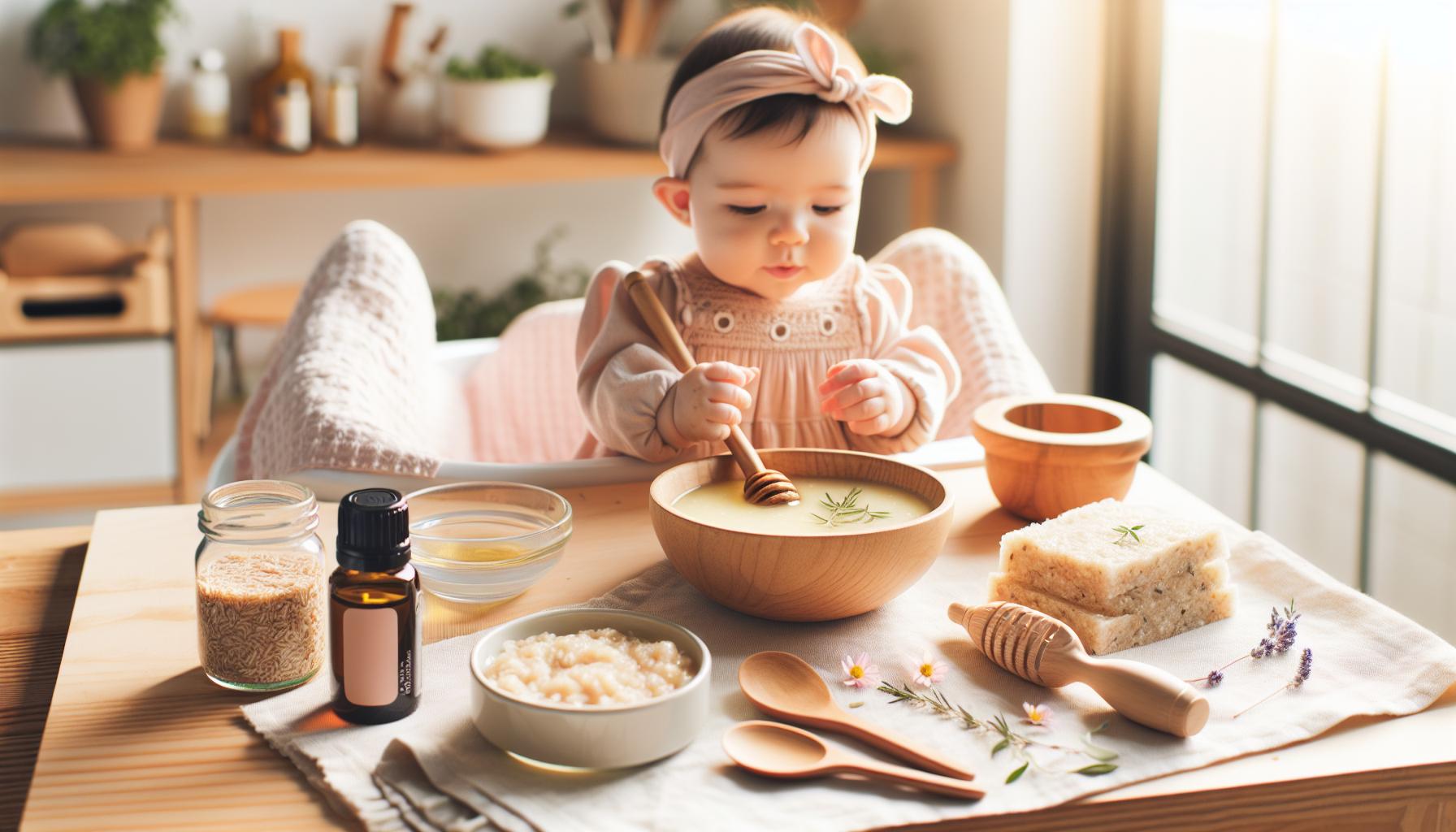
Cooking for infants and young children requires an extra layer of care, especially when it comes to deciding what ingredients are both safe and beneficial. Essential oils, widely recognized for their aromatic and medicinal properties, can be a powerful addition to your kitchen arsenal. However, it’s crucial to choose only those that are safe for baby-friendly food preparation.Let’s explore which essential oils can be safely used while providing flavorful and nutritious meals for your little ones.
Top Essential Oils for Baby-Friendly Cooking
When preparing food for babies, consider essential oils that are gentle yet effective. These oils not only enhance flavor but can also offer additional health benefits:
- Lavender Oil: Known for its calming properties, lavender can be added to baked goods in small amounts, promoting relaxation during mealtime.
- Ginger Oil: This oil can help with digestion and is delicious in soups or of course, ginger cookies.
- Lemon Oil: A refreshing addition that can brighten the flavor of fruit purees and smoothies while providing Vitamin C.
- Frankincense Oil: Recommended for its immune-boosting properties, a tiny drop can be used in grain-based dishes.
usage Guidelines
When incorporating essential oils into baby food, always remember the following guidelines:
- Use only high-quality, food-grade essential oils.
- Start with small amounts (1 drop or less) to monitor any reactions.
- Avoid oils that are considered to be potential allergens or those with strong-flavor profiles, like peppermint or eucalyptus.
- Consider diluting essential oils with a carrier oil, such as coconut oil, especially when introducing them to younger infants.
Practical Tips for Incorporation
Incorporating essential oils into your baby’s food can be straightforward and enjoyable:
- Add a drop of lemon oil to a vegetable puree to enhance flavor and nutrition.
- Infuse a gentle ginger oil into oat porridge to support digestion.
- Incorporate lavender oil into homemade muffins or biscuits for a delightful taste.
| Essential Oil | Benefits | Recommended Use |
|---|---|---|
| Lavender | Calming,soothing | Baked goods,drinks |
| Ginger | Aids digestion | Soups,baked treats |
| Lemon | Boosts immunity | Fruit purees,smoothies |
| Frankincense | Supports immune health | Grain dishes |
With careful selection and responsible usage,integrating essential oils into your baby-friendly food preparation can be a marvelous way to enhance flavors and nutrition. Always consult with a pediatrician if you have any concerns about introducing new ingredients to your baby’s diet.
How to Use Essential Oils Around Your Baby
Creating a Safe Environment with Essential Oils
When it comes to integrating essential oils into your home life, especially around your baby, safety is paramount. Essential oils can be a wonderful addition to your postpartum routine, enhancing mood and promoting relaxation—just make sure to choose wisely. Always opt for high-quality, 100% pure essential oils, and remember that not all oils are suitable for babies. Diluting essential oils before use is crucial; a general guideline is to use a carrier oil and keep the concentration low. For instance, using a blend of 1-2 drops of essential oil with a tablespoon of a carrier oil like coconut or sweet almond oil is advisable for topical applications.
- Lavender Oil: Known for its calming properties,lavender oil can be diffused in your baby’s room to promote restful sleep.
- Chamomile Oil: Another gentle option, chamomile is excellent for easing tension and may help in creating a soothing atmosphere during feeding times.
- Tea Tree Oil: While not recommended directly around babies, diluted tea tree oil can be effective for cleaning baby’s items due to its antibacterial properties.
Methods of Use
Incorporating essential oils into your postpartum routine doesn’t have to be intricate. Here are some practical methods you can safely utilize around your baby:
| Method | Description | recommended Oils |
|---|---|---|
| Diffusion | Use a diffuser to disperse essential oils into the air, creating a calming atmosphere. | Lavender, Sweet Orange |
| Massage | Mix essential oils with a carrier oil for a gentle massage. Always test for allergies first. | Chamomile, Lavender |
| Cleansing | Add diluted essential oils to cleaning solutions for baby items to ensure they’re hygienic. | Tea Tree, Lemon |
By utilizing these methods, you can ensure that your essential oils support a peaceful and nurturing atmosphere for both you and your baby. Remember, as you explore the world of essential oils, focus on those specifically mentioned as safe for infants, and consult with your healthcare provider if you’re unsure which oils to use. Safe practices will help create a blissful environment while allowing you to enjoy the benefits of essential oils for postpartum wellness.
Essential Oils for Stress Relief: Nurturing New Parents
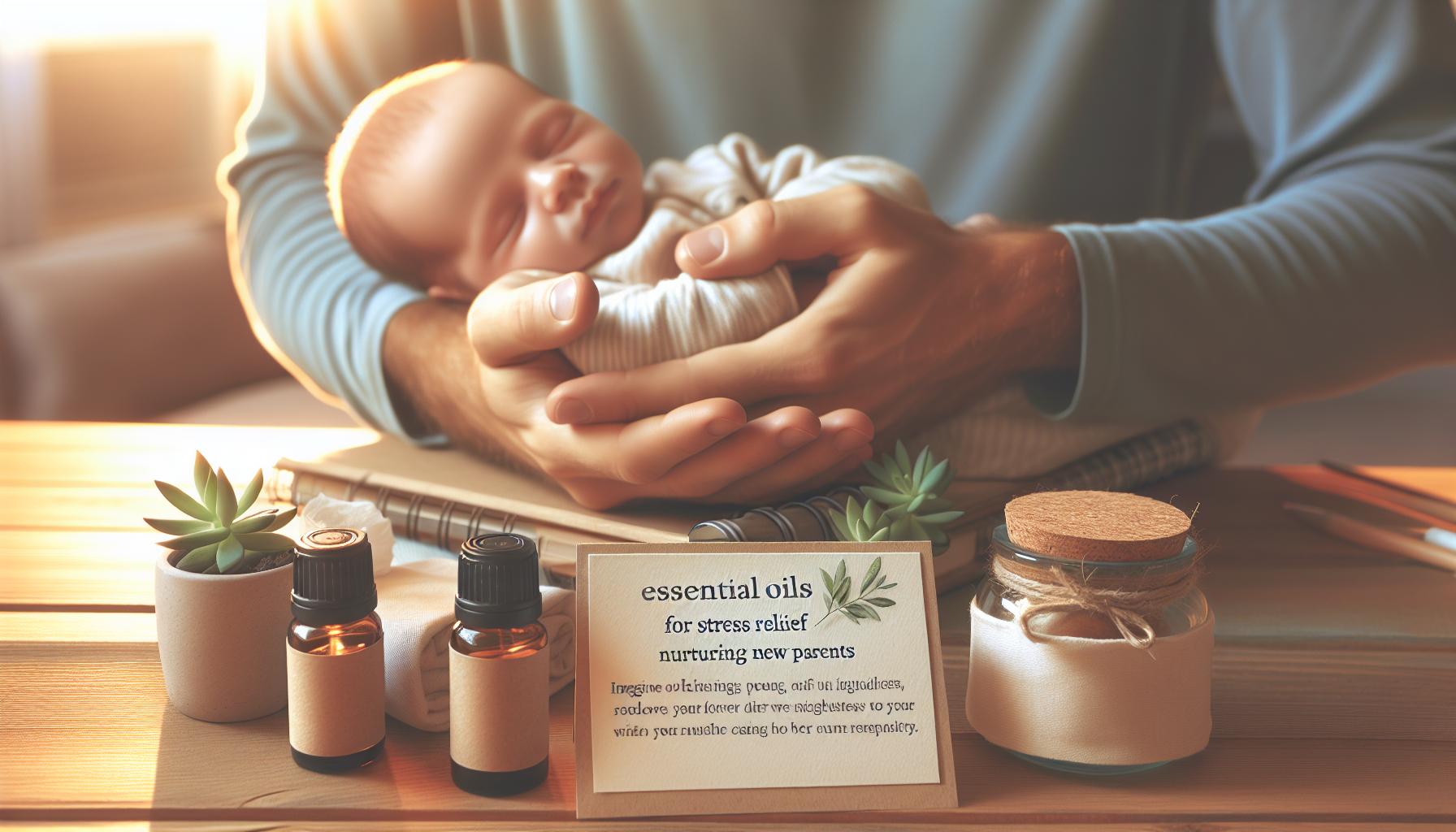
Harnessing the Power of Nature for Serenity
In the whirlwind of new parenthood,stress can accumulate rapidly,often overshadowing the bliss of welcoming a baby. One effective way to foster calm in such chaotic times is through the use of essential oils. These concentrated plant extracts not only offer pleasant aromas but also have been shown to possess anxiety-reducing properties, supporting mental wellness during the postpartum period.
When integrating essential oils into a nurturing environment,it’s crucial to select options that are safe around infants and conducive to relaxation. Some of the most beneficial essential oils include:
- Lavender: Renowned for its calming effects, lavender can reduce anxiety and promote restful sleep. consider diffusing lavender oil in your living space or adding a few drops to a warm bath.
- Frankincense: Known for its grounding properties, frankincense can help soothe emotional stress and enhance meditation practices.
- ylang Ylang: This oil helps balance emotions and reduce tension, making it an ideal choice for creating a peaceful atmosphere.
- Chamomile: With its gentle aroma, chamomile is particularly effective for relaxation and can also help promote better sleep routines.
How to Safely Use Essential Oils Around Your Baby
While essential oils can offer important benefits, it’s significant to use them safely in a home with a newborn. Here are some practical guidelines to ensure both parents and the little one can enjoy their calming properties:
| Essential Oil | Usage Method | Safety tips |
|---|---|---|
| Lavender | Diffusion or topical (diluted) | Avoid direct application on baby’s skin |
| Frankincense | Diffuse in baby’s room | Use low concentrations |
| Ylang Ylang | Inhalation or bathing | Ensure good ventilation |
| Chamomile | Humidifier or pillow spray | Patch test for skin sensitivity |
Incorporating essential oils for stress relief is a practical, holistic approach to support new parents during the profound transitions of postpartum life. By creating a soothing environment with these natural remedies, caregivers can nurture their well-being while ensuring the safety and comfort of their newborns.
Crafting Your Postpartum Wellness Routine with aromatherapy
Unlocking the Benefits of Aromatherapy in Your Postpartum Journey
The postpartum period is a transformative time, and incorporating aromatherapy into your wellness routine can substantially enhance emotional and physical well-being. utilizing essential oils not only promotes relaxation but also supports mental clarity and emotional stability as new mothers navigate the demands of motherhood. Harnessing these natural scents in daily routines can become a rejuvenating and grounding ritual during this pivotal phase.
Selecting the Right Essential Oils
When considering essential oils for postpartum wellness, safety around newborns is crucial. Here’s a short list of recommended essential oils that are safe to use and can provide numerous benefits:
- Lavender: Known for its calming properties, lavender oil can help reduce anxiety and improve sleep quality.
- Frankincense: This oil can promote emotional healing and support overall wellness.
- Chamomile: Gentle and soothing, chamomile oil can help alleviate stress and encourage relaxation.
Creating Your Aromatherapy practice
To effectively integrate essential oils into your daily routine,consider the following actionable steps:
| Time of Day | Activity | Recommended Essential Oil |
|---|---|---|
| Morning | Diffuse while preparing breakfast | Sweet Orange |
| midday | Relax during nap time | Lavender |
| Evening | Unwind before bed | geranium |
By diffusing these oils in the morning,soothing your spirit during the day,and unwinding with calming scents at night,you create a holistic atmosphere that nurtures both body and mind. Remember to always dilute essential oils in a carrier oil if applying topically and consult with a healthcare provider, especially when breastfeeding or caring for a newborn.
Building a Ritual
Transforming your aromatherapy practices into a daily ritual can create a sense of predictability and comfort. Consider preparing a calm-down basin with warm water and adding a few drops of essential oil while soaking your feet after a long day. This simple act not only revitalizes your body but also uplifts your emotional state, allowing you to recharge in preparation for the demands of motherhood. essential oils for postpartum wellness,especially when strategically integrated during baby food preparation times and beyond,contribute significantly to overall well-being,making the transition into motherhood a more joyful experience.
Tips for Choosing Quality Essential Oils for Family Use
Essential considerations for Selecting Family-Friendly Essential Oils
Choosing quality essential oils, especially when considering their use around children and in food preparation, requires careful thought. Not all essential oils are created equal, and some may pose risks to family safety. To ensure you’re selecting the best options, consider these practical guidelines:
- Opt for Pure, Therapeutic-Grade Oils: Always choose essential oils labeled as “100% pure” or “therapeutic grade.” Avoid blends or oils with synthetic additives, as these can compromise safety, especially in environments involving food preparation for infants.
- Research Sourcing and Extraction Methods: Essential oils shoudl be extracted from high-quality plants, preferably through steam distillation or cold pressing.this method preserves the integrity and efficacy of the oils, making them safer for use in your home.
- Consult with Experts: Before introducing essential oils into your household, especially in food-related contexts, consult with a healthcare provider or a certified aromatherapist. They can provide insights specific to postpartum use and safety around infants.
- Read Labels Carefully: Ensure the label includes detailed details about the oil’s purity, intended uses, and possible contraindications, particularly for nursing and postpartum conditions.
Understanding Potential Allergens and Sensitivities
When preparing to use essential oils around your family, it’s crucial to understand potential sensitivities. Some essential oils can cause allergic reactions or irritations, particularly in young children and infants. Here are steps to mitigate risks:
- Perform Patch Testing: Before using any oil, apply a small diluted amount to the inner arm to check for allergic reactions.This is especially critically important for mothers using oils during postpartum recovery.
- Consider Dilution: For topical application, dilute essential oils with a carrier oil like coconut or almond oil. This not only reduces the risk of skin reactions but also makes the oils safer for use around children.
- Avoid Certain Oils: Some essential oils, such as eucalyptus, peppermint, and tea tree oil, should be used with caution around young children due to potential respiratory issues. Always check recommendations regarding safe options for your family.
Integrating Essential Oils Safely in Food Preparation
when utilizing essential oils within food preparation, especially for baby food, safety is paramount. Here’s how to integrate them effectively:
- Use Food-Grade Essential Oils: Ensure the oils you select are marked as food-grade. This indicates they are safe for consumption and suitable for culinary purposes.
- Incorporate in Minimal quantities: Essential oils are highly concentrated; just a drop or two can significantly flavor dishes. Start with small amounts to gauge acceptance and taste.
- Engage in Educative Sharing: If other caregivers or family members will be preparing food, educate them about the safe use of essential oils. Share resources or guidelines to promote consistent safety practices.
utilizing essential oils during the postpartum period can offer soothing benefits, but ensuring their quality and safety for family use is essential. By following these tips, you can harmoniously blend the advantages of essential oils in your home while prioritizing the well-being of your loved ones.
Recipes for Incorporating Essential Oils in Your Kitchen
Enhancing Your Kitchen with Essential Oils
Incorporating essential oils into your kitchen can elevate your cooking experience while ensuring you have safe options during the postpartum period, especially when preparing baby food. These oils not only add flavor but also offer the potential benefits of aromatherapy,promoting a calming and enjoyable atmosphere in your culinary space.
- Lemon Essential Oil: A few drops can brighten up dishes and enhance the flavor of vegetables and grains.It’s particularly great in baby food purees; think apple, sweet potato, or carrot.
- Thyme Essential Oil: This oil is excellent for savory dishes and can be used to flavor meats, soups, and stews. Just ensure it’s diluted properly, as essential oils are highly concentrated.
- Ginger Essential Oil: Ideal for soothing digestion, this oil can be added to smoothies or oatmeal, making it perfect for postpartum recovery. Use sparingly, as its potency can overwhelm other flavors.
Safe Recipe ideas for Postpartum Cooking
When preparing meals infused with essential oils, it’s essential to consider both the safety and the joy they can bring. Here are some simple and safe recipes that utilize essential oils, particularly beneficial for new parents:
| Recipe | Ingredients | Instructions |
|---|---|---|
| fruit Puree | 1 cup apples, 1 cup pears, 1 drop lemon essential oil | Blend fruits untill smooth and mix in lemon oil for added freshness. |
| Vegetable Medley | 1 cup steamed carrots, 1 cup sweet potatoes, 1 drop thyme essential oil | Puree until smooth and mix in thyme oil for a savory touch. |
| Oatmeal Delight | 1 cup oats, 1 tablespoon honey, 1 drop ginger essential oil | Cook oats as usual, stir in honey and ginger oil for a tasty breakfast. |
Using oils like lemon,thyme,and ginger provides a nuanced flavor profile while ensuring you’re avoiding synthetic additives. Always remember to use essential oils that are food-grade and consult with a healthcare provider if you’re unsure about their safety during postpartum meal preparation. These subtle enhancements not only make your dishes more enjoyable but also align with the principles outlined in the essential oils for postpartum guidance, ensuring that your cooking remains safe and nourishing for both you and your little one.
Common Misconceptions About Essential Oils and babies
Understanding the Myths Surrounding essential oils and Infants
When it comes to caring for babies,safety is always a top priority for parents,which frequently enough leads to many misconceptions about the use of essential oils. Many new parents worry that essential oils may pose risks to their infants, but it’s essential to separate fact from fiction. Unlike common fears, pure essential oils, when used appropriately, can provide benefits without significant harm.
- Essential Oils Are Always Harmful: This misconception stems from a lack of understanding about the proper application and dilution of essential oils. While some oils can be irritating, many are safe for use around babies when diluted correctly and applied thoughtfully.
- Essential Oils can Cause Allergies: In reality, essential oils are less likely to trigger allergic reactions compared to synthetic fragrances. Pure essential oils do not contain large molecules such as proteins,which are generally responsible for allergenic responses. However, it is vital to introduce oils one at a time and observe any reactions carefully.
- All Essential Oils are Unsafe: Not all essential oils are created equal. some oils, such as lavender or chamomile, can actually have soothing properties and be safely diffused in a room without direct contact with the baby.
Safe Practices When Using Essential Oils Around Babies
While it is crucial to be vigilant, there are safe ways to incorporate essential oils into your postpartum routine without endangering your baby’s health. Here are a few practical tips:
| Essential Oil | Suggested Use | Notes |
|---|---|---|
| Lavender | Diffusion for calming effects | use in a well-ventilated area |
| mandarin | Topical dilution for skin soothing | Mix with carrier oil |
| Chamomile | Inhalation or calming bath | Consult pediatrician before use |
Moreover,always consult with a healthcare professional before introducing any new essential oils into your environment. This proactive approach helps ensure that you can safely enjoy the benefits of essential oils for postpartum well-being while maintaining a safe space for your baby.
Faq
What are Essential Oils for Postpartum: Safe options Around Baby Food Preparation?
Essential oils used postpartum can enhance your cooking experience while ensuring safety around your baby. Safe options include oils that are food-grade and well-tolerated.Common choices like lavender and chamomile can promote calmness both for you and your little one.
When selecting essential oils, ensure they are specifically labeled for culinary use. Always dilute oils properly, and consult with healthcare providers if you have concerns. For more detailed options, check out this resource on selecting the right essential oils.
How can I ensure essential oils for postpartum are safe for baby food preparation?
To ensure safety, select only therapeutic-grade, food-safe essential oils.Always test oils in small amounts to monitor for any sensitivity. Avoid using oils with strong scents that may overwhelm your baby.
It’s also wise to consult other parents or experts in essential oil use. Being informed helps you make the best choices for both your health and your baby’s safety.
Can I use essential oils while preparing baby food?
Yes, you can use essential oils while preparing baby food, but caution is essential. opt for mild oils,such as lavender or lemon,and always dilute adequately to ensure safety.
Keep in mind the age of your baby and their potential sensitivities. It’s a good practice to introduce new flavors slowly and in small amounts to check for any adverse reactions.
What precautions should I take with essential oils for postpartum?
When using essential oils postpartum, avoid using highly concentrated oils directly. Always dilute them in carrier oils or food. furthermore, be cautious of any allergies or sensitivities that your baby may have.
If you’re unsure about which oils might be appropriate, consider keeping a list and consulting it with your pediatrician. This step helps in safeguarding your little one while allowing you to enjoy the aromatic benefits.
Why does using essential oils for postpartum matter?
Using essential oils for postpartum care can enhance your emotional and physical well-being. They provide natural relaxation and can definitely help create a calming environment, which is beneficial for new parents.
Balancing the demands of newborn care with self-care is essential. Utilizing oils wisely can support your journey into parenthood, making it a more enjoyable experience for both you and your baby.
are there any essential oils I should avoid around my baby?
Yes, several essential oils should be avoided around babies. Oils like rosemary, peppermint, and eucalyptus may be too strong and can cause respiratory issues or overstimulation.
Always err on the side of caution and do thorough research or consult a pediatrician if in doubt. Your priority should be the safety and comfort of your baby while incorporating natural remedies in your life.
Can essential oils help with postpartum depression?
Some essential oils may provide support for mood improvement, which can help alleviate feelings associated with postpartum depression. Oils like bergamot and frankincense are known for their uplifting properties.
Though, it is indeed crucial to complement aromatherapy with professional medical advice. Essential oils can be part of a broader wellness strategy, but they should not replace professional treatment.
to sum up
As you navigate the beautiful yet challenging journey of postpartum life, understanding how to safely incorporate essential oils into your routine—especially around baby food preparation—can be incredibly beneficial. Options like lavender and frankincense not only help create a calming environment but can also support your overall well-being during this transformative time. Remember, using essential oils can enhance your self-care practices while ensuring the safety and comfort of your little one.
We hope this exploration of essential oils inspires you to embrace holistic methods of care in your postpartum experience. Your health and happiness are paramount, and by staying informed, you empower yourself to make choices that resonate with your family’s needs. Don’t hesitate to dive deeper into the world of natural remedies, and feel free to share your experiences with our community. Your journey can inspire other parents, and together, we can navigate the joys and challenges of parenthood. happy parenting!
Get our latest guides, news, and insights highlighted in your Google Search & AI Overviews.


