

Navigating the world of homemade baby foods can be overwhelming for new parents,notably in the postpartum period when nutrition adn convenience are vital. This article explores how expert guidance from a postpartum trainer can empower mothers to create nutritious meals for their babies while maintaining their own health and wellness. Discover effective strategies and practical tips to simplify this essential aspect of parenting.
Understanding the Basics of Homemade Baby Foods: Where to Begin
Kickstart Your Journey to Homemade Baby Foods
Making your own baby food at home can be an empowering and rewarding experiance for new parents. Beyond the convenience, homemade baby food allows you to control ingredients, ensuring that your little one receives the most nutritious and natural options available.Moreover, it can save you money compared to store-bought options and reduce the amount of packaging waste.To get started, you need a few basic tools and ingredients. It’s essential to have a good blender or food processor, as well as storage containers like ice cube trays or small jars for freezing and storing portions. Focus on fresh, organic fruits and vegetables, as they provide the best flavors and nutrients. Consider starting with simple purées made from single ingredients,allowing you to identify any potential allergies and introduce your baby to various tastes gradually.
Essential Tips for Crafting Baby Food
When preparing homemade baby food, it’s crucial to follow some recommended guidelines to ensure safety and quality:
- Choose the Right Ingredients: Begin with fruits like bananas and avocados, or vegetables such as sweet potatoes and peas, which are easy to mash and rich in nutrients.
- Cook Properly: Steaming vegetables is often better than boiling, as it helps retain more nutrients. Aim to make the food soft enough to purée smoothly.
- Texture Matters: As your baby grows, gradually introduce more textures. Start with smooth purees and transition to thicker, chunkier mixtures.
For families looking for recipes, a wealth of options is available to inspire you. As an example, purées made from brown rice or lentils can offer wholesome variations, and natural baby cereal can be easily made by grinding oats or rice at home. with the right approach, the journey of making homemade baby foods can transform mealtime into an enjoyable and nutritious experience for your baby.
Sample Recipe Table
| Ingredient | Preparation Method | Notes |
|---|---|---|
| Banana | Mash with a fork or blend | No cooking required, naturally sweet |
| sweet Potato | Steam and then blend | Rich in vitamins, high in fiber |
| Peas | Steam and blend | Great source of protein and vitamins |
| Avocado | Mash or blend until smooth | Healthy fats, creamy texture |
By embracing the journey of making baby food, you will not only provide your child with tasty meals but also create cherished moments in the kitchen. Utilizing resources like the ‘Postpartum Trainer: Expert Support While Mastering Homemade Baby Foods’ can enhance your confidence and skills as you explore this new facet of parenthood.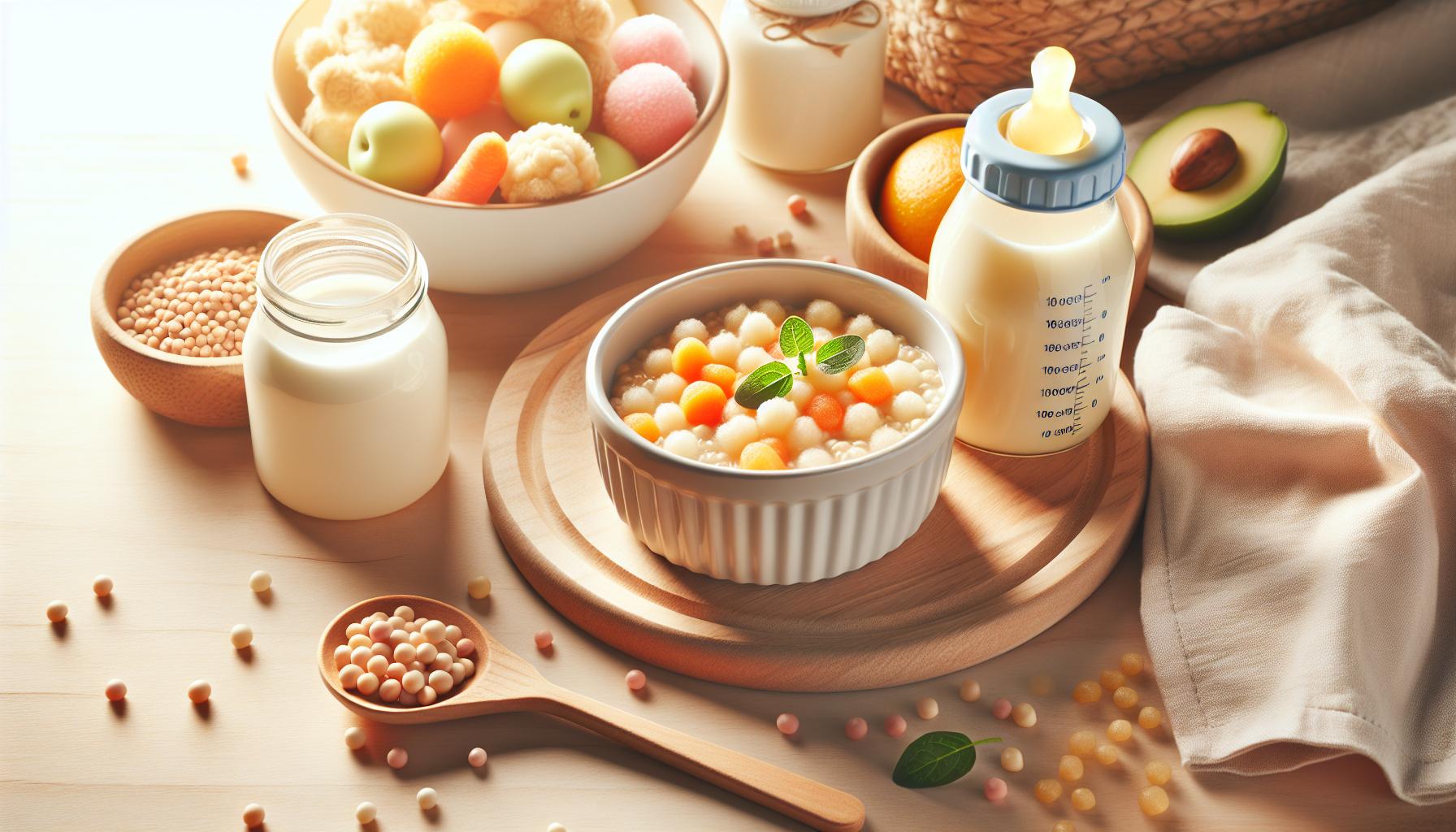
Nutritional Needs of Growing Babies: Tips from Experts
Nutritional Needs of Growing Babies: Insights and Tips
When it comes to fueling the growth and growth of infants,understanding their nutritional needs is crucial. Experts emphasize that the first few years of life lay the foundation for a child’s health, making it essential to provide wholesome, nutrient-rich foods. Breastfeeding is often recommended as the primary source of nutrition for infants, with expert guidance highlighting its importance not only for immediate health benefits but also for long-term outcomes, including a reduced risk of obesity and chronic diseases later in life [[1]].
As you transition to introducing solid foods, it’s essential to incorporate a variety of flavors and textures to broaden your baby’s palate. Aim for a mix of fruits,vegetables,grains,and proteins. foods such as mashed bananas, pureed sweet potatoes, and iron-fortified cereals are great options to start with. As you navigate homemade baby food preparation, keep in mind the following tips:
- Start simple: Begin with single-ingredient purees to help identify any potential allergies.
- Progress gradually: Introduce new foods every few days,observing for reactions.
- Make it fun: Involve your baby during feeding times to foster a positive relationship with food.
- Stay nutritious: Focus on whole,unprocessed foods to maximize nutrient intake.
Incorporating a variety of food groups not only enhances the sensory experience for your baby but also ensures they receive essential vitamins and minerals. According to the *Postpartum Trainer: Expert Support While Mastering Homemade Baby Foods*, incorporating iron-rich foods is crucial after six months of age, as babies’ natural iron stores begin to deplete. Foods like lentils, pureed meats, and dark leafy greens should be included in a well-balanced diet [[2]].Additionally,consider maintaining a schedule for feeding that aligns with your baby’s cues. By embracing responsive feeding practices, parents can develop a deeper understanding of their baby’s hunger and fullness signals, contributing to healthier eating habits. Engaging with resources like the *Postpartum Trainer* can offer vital support and creative ideas for mastering the art of homemade baby foods, allowing parents to nurture their children’s nutritional needs effectively.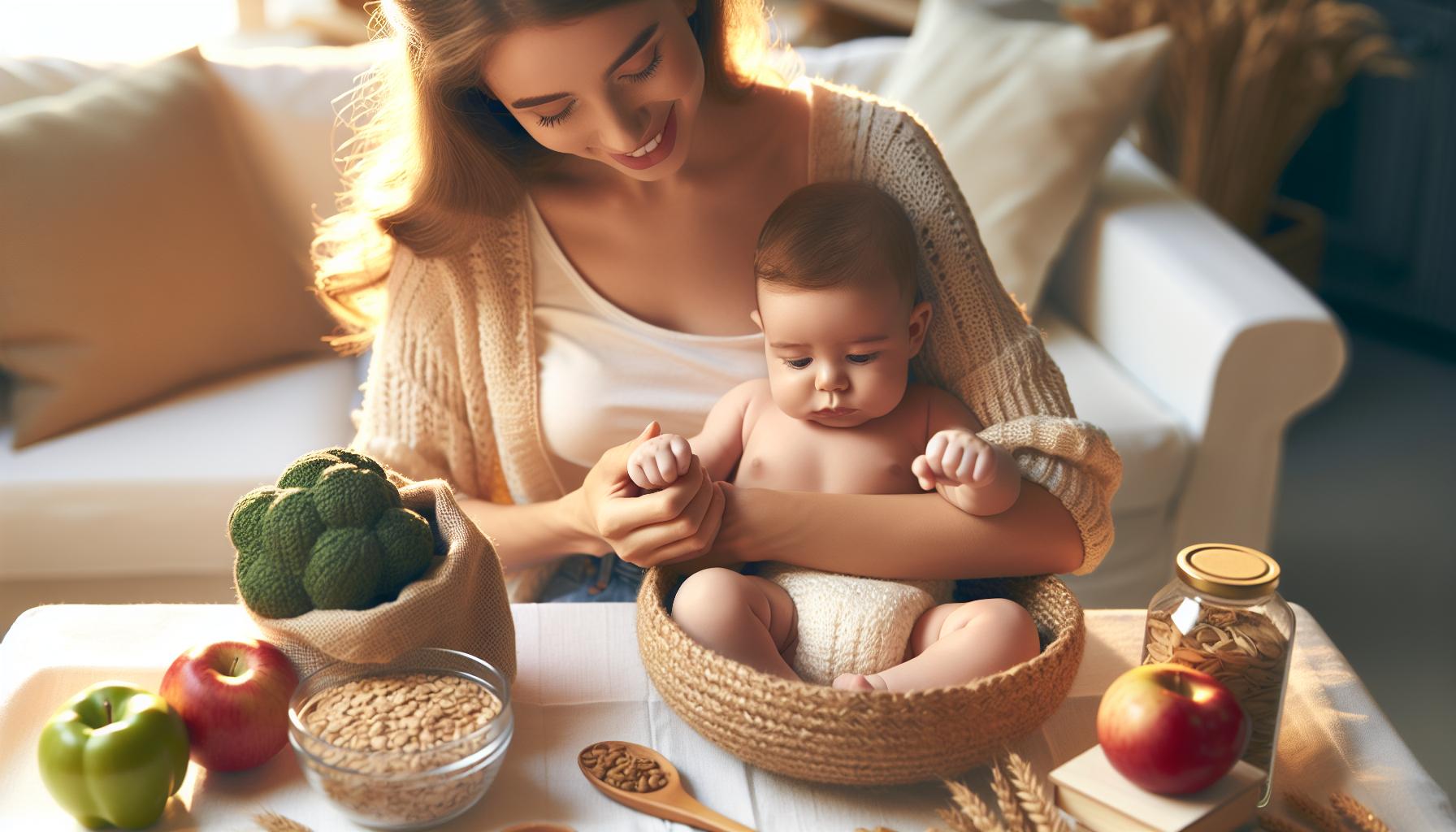
Easy and Healthy Recipes for Every Stage of Development
Wholesome Recipes to Support Development
Did you know that introducing homemade baby foods can be as rewarding as it is indeed beneficial for your child’s growth? With the right recipes, you can ensure that each stage of your baby’s development is met with nourishing, flavorful meals. by incorporating a variety of simple, healthy ingredients, you help build a strong foundation for your little one’s lifelong eating habits.
As you navigate the journey of homemade baby foods, consider the following stages and recipes that align with the recommendations from the *Postpartum Trainer: Expert Support While Mastering Homemade Baby Foods*:
- 6-8 Months: At this stage, babies can start to enjoy pureed fruits and vegetables. Try simple combinations like:
- Apple and pear puree
- Sweet potato and carrot mash
- 8-10 Months: Introduce more textures with soft, diced foods. Great options include:
- Avocado and banana bites
- Cooked peas and quinoa
- 10-12 Months: As your baby becomes more adventurous, encourage self-feeding with:
- Mini vegetable frittatas
- Soft fruit salad (cooked apples, diced peaches)
Essential Ingredients for Nutrient-Dense Meals
Utilizing wholesome ingredients is key to creating nutritious meals. Focus on whole foods that provide necessary vitamins and minerals.Here’s a simple table of essential ingredients that can be incorporated into your baby’s meals:
| Ingredient | Benefits |
|---|---|
| Avocado | Healthy fats promoting brain development |
| Sweet Potatoes | High in beta-carotene, supporting vision |
| Brown Rice | Good source of energy and fibers |
| Spinach | Rich in iron and calcium, supporting growth |
By following these guidelines and utilizing the suggested recipes, you can ensure that mealtime is not only easy but also a delightful experience for your baby.This approach serves as a fantastic foundation as you embrace the principles laid out in the *Postpartum Trainer: Expert Support While Mastering Homemade Baby Foods*, allowing you to nurture your child’s development through healthy eating habits.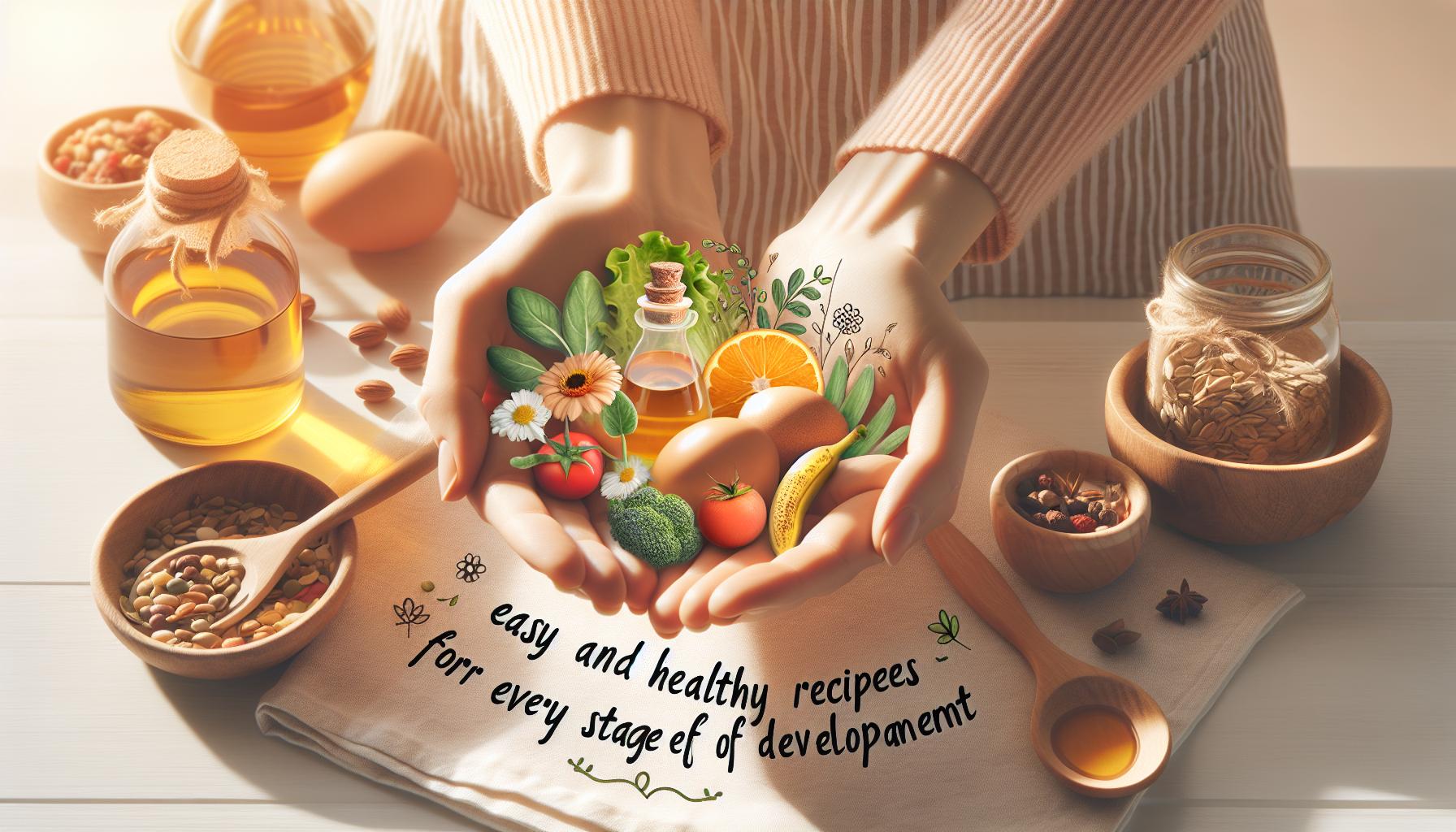
Overcoming Common Challenges in Baby Food Preparation
Understanding and Addressing Common Challenges in Baby Food Preparation
Embarking on the journey of making homemade baby food can be as rewarding as it is challenging. Many new parents find themselves overwhelmed with uncertainty about where to start, which ingredients to choose, and how to ensure safety for their little ones. The key to mastering this skill lies in understanding and addressing common challenges while also leveraging expert support from resources like a Postpartum Trainer.
Ingredient Selection and Nutritional Balance
One of the foremost challenges is selecting the right ingredients that provide balanced nutrition. Babies’ nutritional needs change rapidly as they grow, and ensuring you include a variety of fruits, vegetables, and proteins is crucial. Keep these points in mind:
- Start with single-ingredient purees to identify any possible allergies.
- Gradually mix different flavors to broaden your baby’s palate.
- Choose organic produce when possible to avoid pesticides.
time Management and Planning
Making baby food from scratch can be time-consuming, but effective planning can ease this burden. Many parents struggle to find time within their busy schedules. Here are some actionable tips to help streamline the process:
- Batch cook during weekends; prepare and freeze several servings in small, labeled containers.
- Incorporate baby food preparation into your regular cooking routine—steam and blend extra vegetables while making dinner.
| Food Item | Prep Time | Storage Time |
|---|---|---|
| Sweet Potatoes | 20 mins | Up to 3 months |
| Carrots | 15 mins | Up to 3 months |
| Bananas | 5 mins | Best fresh |
Food Safety and Storage
Food safety is another critical aspect that can cause anxiety. Ensuring that baby food is prepared and stored correctly is vital to preventing foodborne illnesses. To maintain safety during preparation, consider the following guidelines:
- Always wash hands and cooking surfaces before preparing food.
- Use separate utensils and storage containers for baby food and adult food.
- Thaw or reheat frozen baby food thoroughly before serving, ensuring it reaches a proper temperature.
By proactively addressing these common challenges with strategies informed by a Postpartum Trainer, you can turn homemade baby food preparation into an enjoyable, stress-free experience. Not only will you create nutritious meals for your baby, but you will also foster a positive relationship with food early on.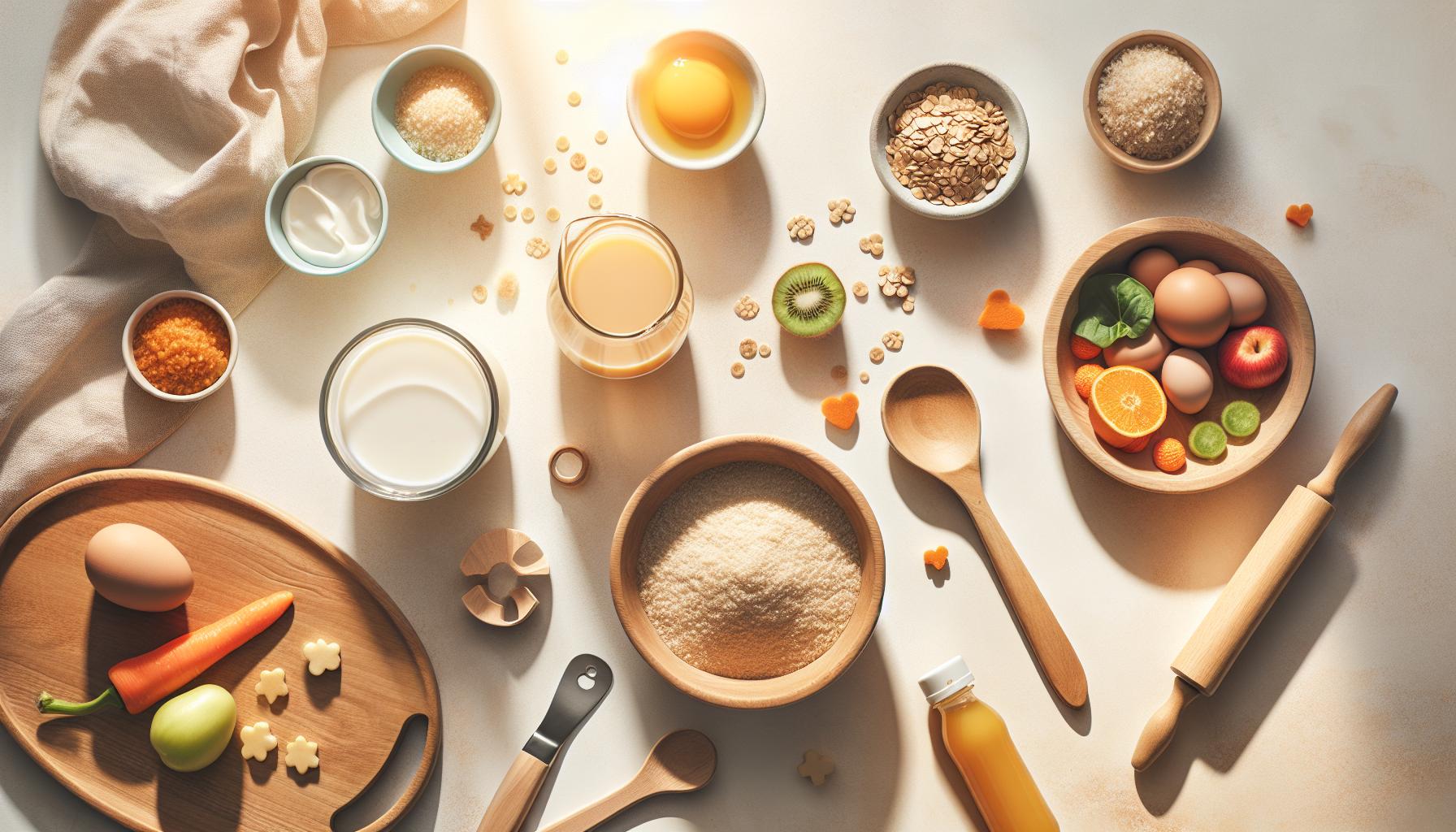
Building a Positive Mealtime Experience for Your Little One
Creating a Joyful and Engaging Mealtime Atmosphere
Did you know that the environment during mealtimes can dramatically affect how children perceive food and their willingness to try new flavors? not only influences their dietary preferences but also fosters a healthy relationship with food. As part of the framework offered by the Postpartum Trainer: Expert Support While Mastering homemade Baby Foods, it’s critical to create mealtimes that are enjoyable and stress-free.
Start by curating a welcoming atmosphere.Consider soft lighting and minimizing distractions,such as loud televisions or bustling kitchens. You can set the table with colorful plates or even let your child pick their own dishware, which can instill a sense of ownership and excitement about mealtime. Engaging your child in the cooking process is another excellent technique. Allow them to help with age-appropriate tasks, such as washing vegetables or stirring ingredients, reinforcing their connection to what they are eating.
Incorporating Variety and Fun into Meals
Children thrive in environments that offer variety and fun. Here are some actionable steps you can take to make mealtimes an adventurous experience:
- Colorful Plates: Present food in a rainbow of hues. Luminous fruits and vegetables can stimulate a child’s interest.
- Themed Meals: Create a weekly theme for meals (e.g., “Taco Tuesday” or “Fruit friday”) to build anticipation.
- Interactive Eating: use hands-on approaches like build-your-own tacos, allowing children to choose their ingredients and have fun while eating.
Additionally, experimenting with textures can engage your child’s senses. For example, pair crunchy vegetables with creamy dips or mix soft and chewy components in a dish. the key is to make mealtime a time of exploration, drawing from the guidance of the Postpartum Trainer: Expert Support While Mastering Homemade Baby Foods, which emphasizes the importance of diverse flavors and textures in early childhood feeding.
Encouraging Positive Conversations About Food
Interaction is essential in nurturing a positive mealtime experience. Foster an open dialog where your little one can express their likes and dislikes. When introducing new foods, avoid pressure or negativity; rather, celebrate small successes. A simple “You tried a new vegetable today!” can motivate them to explore further. Sharing your own experiences with food, including what you enjoy or how you feel about trying somthing new, can also normalize this process for children.
Ultimately, the nurturing approach advised by the Postpartum Trainer: Expert Support While Mastering Homemade Baby Foods highlights the importance of patience and positivity in the mealtime experience. By creating a supportive environment, encouraging variety, and maintaining open communication, you will pave the way for your child to develop healthy eating habits that last a lifetime.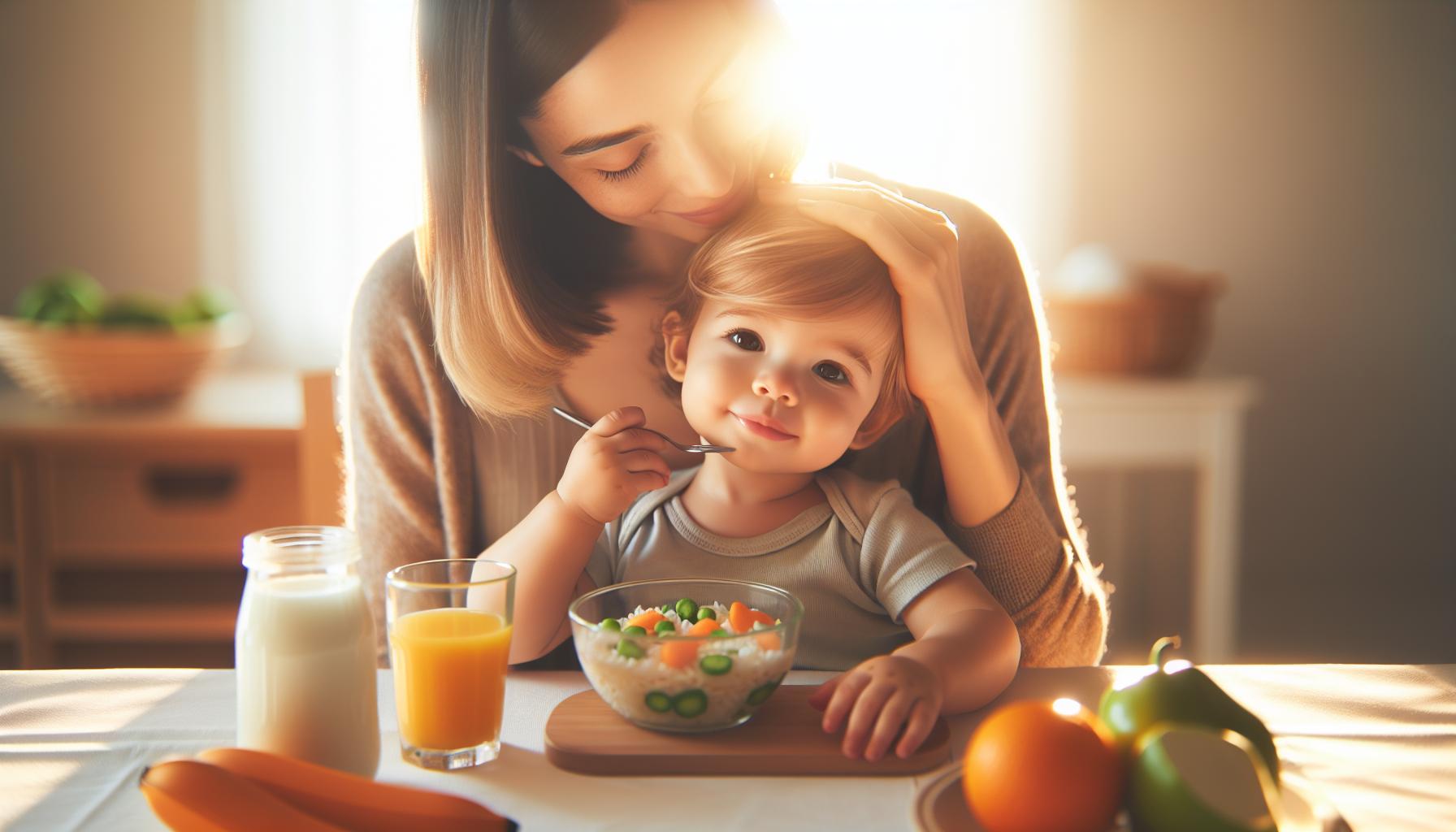
Expert Tips for Safe and Sound Homemade Baby Food Storage
Creating homemade baby food is a rewarding endeavor that ensures your little one receives the best nutrition possible. However, the benefits of homemade baby food can only be fully realized when it’s stored safely. Following expert tips for storage can help maintain the freshness and nutritional value of your culinary creations.
Choosing the Right Storage Containers
Opting for the right containers is paramount in ensuring that your homemade baby food remains fresh and free from contaminants. Look for:
- Airtight seals: Containers with secure lids prevent air from entering, which helps maintain freshness.
- Food-grade materials: Use BPA-free plastic or glass containers that are safe for your baby’s food.
- Variety of sizes: Having different sized containers allows for flexibility in meal portions as your baby’s appetite changes.
Freezing for longevity
Freezing baby food is one of the best ways to preserve its nutrients and flavor. Follow these expert storage tips to maximize quality:
- Portion Control: Freeze in small batches or individual servings to minimize waste. Ice cube trays are ideal for this purpose.
- Label and Date: Always label your containers with the type of food and the date of freezing to keep track of freshness. Aim to use frozen baby food within 3 months.
- Thaw Safely: Thaw frozen baby food in the refrigerator overnight or use a microwave for quick defrosting. Avoid thawing at room temperature to prevent bacterial growth.
Storage Guidelines for Freshness
For homemade baby food stored in the refrigerator, follow these guidelines:
| Type of Baby Food | Refrigerator Storage Duration |
|---|---|
| Pureed fruits and vegetables | 3 days |
| Meat and fish purees | 1-2 days |
| Cereals | 3-5 days |
By adhering to these expert storage recommendations, you can ensure that your homemade baby food remains nutritious, safe, and enjoyable for your little one. Remember, keeping their meals fresh and healthy is an essential part of the journey in mastering homemade baby foods in the postpartum phase.
Engaging Your Baby: Fun Ways to Introduce New Flavors and Textures
exploring New Taste Adventures
Engaging your baby in the world of flavors and textures is a delightful journey that sets the foundation for healthy eating habits. Recent studies show that introducing a variety of tastes early on can help broaden a child’s palate, making them more open to trying new foods in the future. It’s not just about nutrition; it’s an adventure that stimulates their senses and curiosity. Here are some fun and creative ways to make this introduction memorable!
1.Flavor Exploration through Combinations
Start with single-ingredient purees, and once your baby acclimates to each flavor, begin combining them for new taste experiences. For example:
- banana & Blueberry: This mix offers a naturally sweet flavor,perfect for morning meals.
- Sweet Potato & Carrot: A savory duo that brings out the sweetness in both vegetables.
- Avocado & Apple: The creamy texture of avocado pairs wonderfully with the crisp flavor of apple.
Using homemade baby food techniques highlighted by the Postpartum Trainer can make these combinations easy and cost-effective.
textural Variations: From smooth to Chunky
As babies grow and their chewing abilities develop, introducing different textures becomes essential. start with smooth purees, then gradually increase the texture:
| Age | Texture | Recommended Foods |
|---|---|---|
| 4-6 Months | Smooth Purees | Banana, Apple, Sweet Potato |
| 6-8 Months | Thick Purees | Avocado, Peas, Carrots |
| 8-10 Months | Soft, Lumpy Textures | Mashed Fruits, Steamed Vegetables |
| 10-12 Months | Small Chunks | Soft Pasta, Rice, Cooked Meats |
Let your baby explore these textures, as this not only enhances their sensory experience but also promotes motor skills as they learn to mash and chew.
2.Make mealtime Interactive
Creating a fun mealtime atmosphere can make a significant difference in how your baby experiences new flavors. Try incorporating different activities:
- Taste Tests: Set up a mini taste testing station where you offer two different flavors on small spoons and let your baby pick which one they prefer.
- Colorful Plates: Use colorful dishes and arrange food in fun shapes or patterns to make the meal visually appealing.
- Interactive Feeding: Let your baby participate by holding and gnawing on safe, soft foods. Foods like banana strips or cooked sweet potato chunks can be great for these experiences.
Using these playful approaches highlighted in the Postpartum Trainer’s guidance can transform simple meals into engaging experiences, fostering a love for diverse foods in your little one.
The Benefits of Involving Older Siblings in Meal Prep
Enhancing Family Bonds Through Meal Prep
Involving older siblings in meal preparation can transform a mundane task into a wonderful bonding experience. Not only does this practice teach valuable life skills, but it also fosters a sense of obligation and teamwork within the family. when older siblings participate in cooking for the family, they develop a stronger connection with their younger siblings by sharing knowledge and creating lasting memories in the kitchen. Research shows that these interactions can instill confidence and enhance social skills,essential components for overall development during the early years of childhood.
The Educational benefits of Meal Prep
Participating in meal preparation offers older siblings an excellent opportunity to learn about nutrition and culinary skills. This not only aligns with the goals of the *Postpartum Trainer: Expert Support While Mastering Homemade Baby Foods* but also equips them with knowledge they will carry into adulthood. Here are a few educational benefits:
- Nutritional Awareness: Older siblings can learn about different food groups, helping them understand the importance of balanced meals.
- Math Skills: Measuring ingredients and adjusting recipes require basic math knowledge, making cooking a fun and practical math lesson.
- Organization and Planning: Meal prepping encourages siblings to plan ahead, teaching them how to efficiently manage their time and tasks.
Boosting Confidence and Independence
When older siblings help prepare meals, they gain a sense of accomplishment and independence. This feeling is crucial in building their self-esteem,which ties closely to what the *Postpartum Trainer* advocates—supporting not just the newborn but the entire family unit.As they successfully contribute to the meal, they learn to trust their abilities, paving the way for taking on more responsibilities in the future.
Furthermore, this practical engagement in meal preparation allows them to express creativity, whether through meal design or selecting ingredients. This creative outlet can make cooking exciting and enjoyable, fostering a positive attitude towards food and health in the long term.
Practical Tips for Involving siblings
Here are some actionable steps for involving older siblings in meal prep:
- Assign Age-Appropriate Tasks: Younger siblings can wash vegetables, while older ones can handle chopping and cooking.
- Make it Fun: Turn cooking into a game with timed challenges or themed meal nights.
- encourage Experimentation: Allow siblings to suggest recipes or modify existing ones to make them feel invested in the process.
Incorporating these strategies into your meal prep routine not only enhances the mealtime experience but also aligns perfectly with the goals outlined in the *Postpartum Trainer: Expert Support while Mastering Homemade Baby Foods*, ensuring that every family member benefits holistically.
Q&A
What is a Postpartum Trainer: Expert Support While Mastering Homemade baby Foods?
A Postpartum Trainer offers expert guidance to new parents looking to create nutritious homemade baby foods. They provide personalized support, ensuring that parents understand nutrition requirements and how to prepare baby food safely.
In today’s health-conscious world, preparing homemade baby food can be both rewarding and beneficial. A Postpartum Trainer can teach you essential techniques and share recipes tailored to your baby’s developmental stage. They help alleviate concerns parents often have about nutrition and safety, making the journey smoother.
How can I benefit from Postpartum Trainer support while making homemade baby foods?
Using a Postpartum Trainer can immensely boost your confidence and skills in making homemade baby food. Their expert advice helps you create healthy meals that meet your baby’s unique needs.
Beyond cooking, a trainer shares insights into the nutritional value of ingredients, teaches meal planning, and helps you understand when to introduce new foods. This tailored support makes the transition to solid foods exciting and less daunting for both you and your baby.For more information on nutrition,check out our guides on healthy eating.
Can I start making homemade baby foods right after giving birth?
Yes, you can start preparing homemade baby foods as soon as you feel pleasant post-delivery. However, it’s essential to wait until your baby shows readiness for solid foods, usually around six months.
During this time, your body is recovering, and the guidance from a Postpartum Trainer can be invaluable. They can definitely help you manage your time effectively while ensuring nutritious options are available for your baby. This supportive approach creates an empowering environment as you navigate new parenting challenges.
Why is homemade baby food better than store-bought?
Homemade baby food frequently enough provides fresher ingredients and greater control over nutrition compared to store-bought options. You can tailor meals to your baby’s tastes and dietary needs.
By making baby food at home, you can introduce a variety of textures and flavors early on, which can foster healthy eating habits later. A Postpartum Trainer can assist in choosing the best ingredients, ensuring you provide the healthiest start possible for your baby.
What common mistakes should I avoid when preparing homemade baby foods?
Common mistakes include introducing allergens too early or not adequately cooking foods. It’s crucial to ensure that all ingredients are safe for your baby.
A Postpartum Trainer can guide you on best practices, including proper food storage, preparation techniques, and recognizing when your baby is ready for different types of foods. Avoiding these pitfalls creates a healthier experience for both you and your little one.
Can I get help online for mastering homemade baby foods?
Absolutely! Many Postpartum Trainers offer online support and resources, making it easy to access help from home. This flexibility allows you to learn at your own pace.
Online platforms often provide video tutorials, personalized meal plans, and direct communication with trainers, making it simpler to navigate new feeding practices. Utilizing these tools can enhance your confidence in preparing nutritious meals for your baby.
Why should I consider a Postpartum Trainer for food preparation guidance?
A Postpartum Trainer provides specialized knowledge that can make the process of preparing baby food more manageable and enjoyable. This support is tailored to address the unique challenges faced by new parents.
With expert guidance, you’ll feel more confident in your choices, and your baby will benefit from nutritious meals made with love. Plus, the emotional support can be as valuable as the practical tips, helping you thrive during this transition.
Future Outlook
As you embark on your journey into homemade baby foods, remember that you’re not just feeding your little one; you’re also nurturing a bond with them through delicious and nutritious meals. With the support of postpartum trainers, like those at Strong As A Mom and othre specialists, you can gain confidence in your choices, tailor your meal plans, and enhance your own well-being in the process. By combining expert knowledge with your passion for cooking, you can overcome the challenges of parenthood while making choices that are right for you and your family.
We encourage you to explore our resources further, connect with parenting communities, and share your experiences in making homemade baby foods. You are not alone on this journey—each meal you prepare is a step toward creating a healthy, happy environment for your child and yourself. Keep visiting for more tips, recipes, and support as you master this fulfilling aspect of parenthood!


