

Navigating the world of baby food introduction can feel overwhelming for new parents. Understanding when and how to introduce solid foods is crucial not only for your baby’s nutrition but also for their developing palate. This guide offers a clear postpartum concept map to simplify the process, ensuring a healthy and joyful feeding experience.
Understanding Your Baby’s Nutritional needs After Birth
The journey of introducing your baby to solid foods marks an exciting milestone in their progress. Understanding your infant’s nutritional needs after birth is crucial for fostering healthy growth and brain development. During the first few months, your baby primarily relies on breast milk or formula. However, as they reach around 6 months of age, it’s time to start incorporating a variety of foods that meet their evolving nutritional requirements.
Key Nutritional Components
Infants require a balanced diet that provides essential nutrients for optimal development. Here are some critical components to consider:
- Healthy Fats: Essential fatty acids support brain development. Foods rich in omega-3 fatty acids, such as fish, should be introduced once a week.
- Iron: After six months, breast milk alone may not provide enough iron.Introduce iron-fortified cereals and pureed meats.
- Fruits and Vegetables: Begin with single-ingredient purees to monitor for allergies, progressing to mixed purees as your baby’s palate develops.
- Protein: Introduce protein sources, like lentils and beans, as your baby grows and shows readiness for varied textures.
Creating a Balanced Meal Plan
Utilize a structured approach to meal planning that emphasizes diverse foods. The “Postpartum Concept Map: Planning Your Baby’s Food Introduction” can serve as an effective tool, guiding you through stages of food introduction in a systematic way.Consider this sample table for a balanced week of meals:
| Day | Breakfast | Lunch | Dinner |
|---|---|---|---|
| Monday | Oatmeal with pureed banana | Pureed carrots | Chicken puree with sweet potatoes |
| Tuesday | Rice cereal with breast milk | Mashed avocado | Pureed peas |
| Wednesday | Pureed apples | Soft boiled spinach | Tofu with mashed pumpkin |
| Thursday | Iron-fortified cereal | Pureed lentils | Carrot and pea puree |
| Friday | Pureed peaches | Mashed potatoes with gravy | Fish puree with green beans |
These initial feeding choices not only provide essential nutrients but also help your baby develop a taste for a variety of foods, laying a strong foundation for healthy eating habits. Always observe your baby for any signs of food allergies and consult with your pediatrician to tailor a nutrition plan that best fits your child’s needs.

The Best Time to Start Introducing Solid Foods
Did you know that introducing solid foods to your baby at the right time can significantly influence their nutritional acceptance and overall health? Timing is crucial when it comes to transitioning from breast milk or formula to solids. As outlined in the “Postpartum Concept Map: Planning Your Baby’s Food Introduction,” research indicates that the ideal window for this transition falls between 4 to 6 months of age.
Recognizing Readiness
Before you start feeding your little one solids, it’s essential to ensure they are developmentally ready. Here are some signs to look for:
- Head Control: Your baby should be able to hold their head up steadily.
- Sitting Up: While they might not sit fully unsupported at this stage, they should be able to sit with some support.
- Curiosity About Food: If your baby watches you eat and shows interest,that’s a positive sign.
- Loss of Tongue-Thrust Reflex: This reflex helps prevent choking but should diminish around this age, meaning your baby can move food to the back of their mouth more effectively.
Understanding these indicators can prepare you for this exciting phase of your baby’s development!
Timing Around 6 Months
While the consensus is to introduce solid foods around the 6-month mark, every baby is different.
| Age | Foods to Introduce | Tips |
|---|---|---|
| 4-6 months | Pureed vegetables and fruits | Start with single-ingredient purees and watch for allergies. |
| 6-8 months | Soft cooked vegetables, fruits, and cereals | mix textures gradually as they become more confident. |
| 8-10 months | Chopped finger foods | Encourage self-feeding to develop motor skills. |
| 10-12 months | Family foods (diced) | Expand their diet with variety; allow them to explore tastes. |
The Role of Parental Readiness
It’s also vital that parents feel prepared for introducing solids. The “Postpartum Concept Map: Planning Your Baby’s Food Introduction” emphasizes the need for parents to be educated and confident. Engaging with a pediatrician or nutritionist for personalized guidance can navigate any challenges you might face.
Starting this journey with the right knowlege will not only ease the process but will also foster positive eating habits as your child grows. So, consider these factors carefully—it’s more than just feeding; it’s about nurturing a healthy relationship with food from the very beginning!
Safe First Foods: What to Offer and When
Did you know that introducing solid foods to your baby can feel like navigating a culinary adventure? With countless options available, parents frequently enough wonder what to start with and when. By following a timeline and understanding the best first foods, you can create a positive mealtime experience for your little one. Let’s explore safe first foods and the ideal times to offer them.
when to Begin Solid Foods
The American Academy of Pediatrics recommends introducing solid foods around 6 months of age,but readiness varies with each baby. Signs that your child may be ready for solids include:
- Ability to sit up with minimal support
- Showing interest in food (reaching or leaning towards food)
- Losing the tongue-thrust reflex (not pushing food out of the mouth)
- Having good head and neck control
Offering solid foods too early, before 4 months, can lead to potential health risks, while delaying introduction can affect nutritional intake. Always consult with your pediatrician for personalized guidance.
Safe First Foods to Offer
Starting with single grain cereals has been a conventional approach, but there are many other foods that can be introduced right away. Consider these options:
| Food | Notes |
|---|---|
| Pureed Vegetables (Carrots, Sweet Potatoes) | Rich in vitamins; ensure they are well-cooked and blended. |
| Pureed Fruits (Bananas, Apples, Pears) | Natural sweetness; introduce one fruit at a time. |
| avocado | Healthy fats; cuts easily into soft pieces for mashing. |
| Rice Cereal | Iron-fortified; mix with breast milk or formula for easier swallowing. |
| Mashed Soft Beans (Black, Kidney) | High in protein; ensure they are well-cooked and mashed smoothly. |
Always introduce new foods one at a time, waiting several days in between to monitor for any allergic reactions. If a food is well-tolerated, progressively incorporate more options, expanding your baby’s palate while keeping mealtime exciting.
Creative ways to Introduce Foods
Making mealtimes enjoyable can ease your baby’s transition to solids. Consider these strategies:
- Texture Exploration: Begin with smooth purees, then gradually introduce thicker textures and small soft pieces.
- Colors & Variety: Present a rainbow of fruits and vegetables to stimulate your baby’s interest.
- Late Night or Early Morning Munchies: Try feeding baby during relaxed times when they’re more receptive.
By using the insights from the Postpartum Concept Map: Planning Your Baby’s Food Introduction, you can tailor a feeding strategy that aligns with both your and your baby’s needs. Remember, patience is key during this essential phase of growth and exploration.
Creating a Balanced Eating Plan for Your Baby
Creating a nutritious eating plan for your baby is crucial to their growth and development. At this pivotal stage, introducing your little one to a variety of flavors and textures can set the foundation for a healthy relationship with food. Use this chance to create a balanced meal plan that introduces essential nutrients while also considering your baby’s developing taste preferences.
Essential Nutrients for Your Baby
When planning meals for your baby, it’s notable to focus on several key nutrients that support their overall health. These include:
- Proteins: Essential for growth and repair. Sources include pureed meats, lentils, and yogurt.
- fruits and Vegetables: Provide vitamins, minerals, and fiber. Aim for a variety of colors to ensure a range of nutrients.
- Whole Grains: Important for energy. Oatmeal, quinoa, and brown rice are great options.
- Healthy fats: Support brain development.Avocado and olive oil can be beneficial additions to meals.
Sample Balanced Eating Plan
Crafting a weekly eating plan can simplify the process of introducing new foods. Below is a sample meal schedule to guide you:
| Day | Breakfast | Lunch | Dinner |
|---|---|---|---|
| Monday | Oatmeal with mashed bananas | Pureed carrots and peas | Mashed sweet potatoes with avocado |
| Tuesday | Whole grain toast with almond butter | Pureed chicken with zucchini | Quinoa mixed with steamed broccoli |
| Wednesday | Scrambled eggs with spinach | Sweet potato and lentil mash | Brown rice with minced beef |
| Thursday | Yogurt with pureed peaches | Mashed peas with mint | whole grain pasta with marinara sauce |
| Friday | Fruit smoothie (banana, avocado, spinach) | Pureed cauliflower and chicken | steamed carrots with hummus |
This sample plan provides a diverse range of nutrients while keeping meals engaging for your baby. Remember, it’s perfectly fine to adapt the meals based on your baby’s preferences or dietary restrictions. Engaging your baby in the process of food introduction can make mealtime an enjoyable part of their daily routine. By being flexible and attentive, you’ll not only cultivate a well-balanced eating plan but also foster a positive atmosphere around food, aiding your baby’s growth and acceptance of various tastes.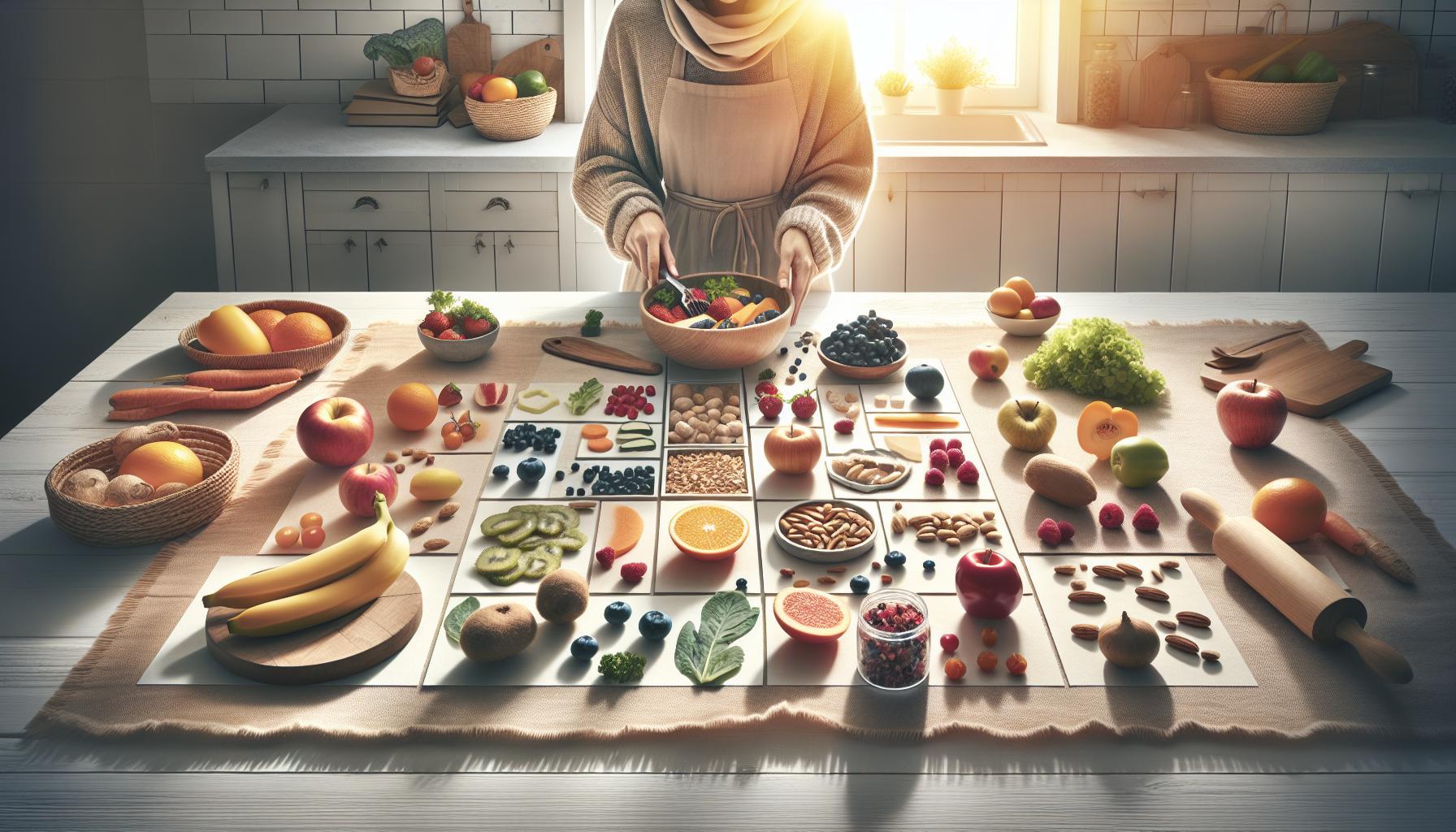
Tips for Navigating Allergies and Food Reactions
Understanding Allergies in Baby Food Introduction
Introducing solid foods to your baby can be an exciting yet challenging time, especially if there are concerns about allergies or food reactions. It’s crucial to approach this phase with knowledge, as food allergies can develop during early exposure to certain allergenic foods. According to recent data, nearly 8% of children are affected by food allergies in the United States. This makes it essential to arm yourself with strategies from the ‘Postpartum Concept Map: Planning Your Baby’s Food Introduction’ that will help you navigate this complex landscape effectively.
Start with single Ingredients
When planning your baby’s food introduction, consider offering single-ingredient foods initially. This allows you to monitor for any reactions more easily. Follow these steps to ensure a safe introduction:
- Begin with common single-ingredient foods like pureed carrots, sweet potatoes, or rice cereal.
- Introduce one new food at a time and wait three to five days before adding another. This helps identify any specific food triggers.
- Keep a food diary to record what your baby eats and any reactions you observe. This can be immensely helpful for your pediatrician.
Recognize Common Allergens
Certain foods are more likely to cause allergic reactions, including peanuts, tree nuts, dairy, eggs, wheat, soy, fish, and shellfish. As outlined in the ‘Postpartum Concept Map: Planning Your Baby’s Food Introduction’, here are strategies to safely introduce these allergens:
| Allergen | Age for Introduction | Tips for Introduction |
|---|---|---|
| Peanuts | 6 months | Offer peanut butter mixed with a soft food like oatmeal. |
| Dairy | 12 months | Introduce yogurt or cheese gradually as part of meals. |
| Eggs | 6-12 months | Start with well-cooked eggs; avoid raw or runny yolks. |
| Fish | 6-12 months | Choose low-mercury fish, and ensure it’s cooked well. |
Stay Vigilant and Prepared
Always keep the signs of an allergic reaction in mind, such as hives, vomiting, or trouble breathing, especially after introducing a new food. If you suspect an allergy, consult with your pediatrician for guidance and potential allergy testing. Having a plan in place, such as knowing when to seek emergency help, can provide peace of mind during this crucial period of your baby’s development. The insights from the ‘Postpartum Concept Map: Planning Your Baby’s Food Introduction’ are designed to empower you with the knowledge to make informed decisions, fostering a safer food journey for your little one.
Fun and Engaging Ways to Introduce New Flavors
Did you know that introducing new flavors to your baby can positively impact their long-term eating habits? Making the experience enjoyable not only fosters a love for food but also sets the stage for healthier choices down the line. The postpartum period is an ideal time to explore diverse tastes and textures, making mealtime an adventure for your little one.
Creative Flavor Introductions
Engage your baby’s senses by introducing flavors in fun and imaginative ways.Rather than presenting new foods as mere items on a spoon, consider transforming mealtime into an exploration session.Here are some inventive ideas to get started:
- Colorful Puree Play: Create vibrant vegetable and fruit purees in shades of orange, green, and purple. Use rainbow-colored plates to enhance visual appeal, encouraging your baby to experience the joy of eating.
- Flavorful Finger Foods: Once your baby is ready for solids,try offering soft,bite-sized pieces of various foods. Elements like sweet potato,steamed broccoli,and ripe avocado can be served as finger foods for tactile exploration.
- Sensory Taste Tests: Conduct a mini taste test by presenting two new flavors at once (e.g., pear vs.peach). This not only introduces babies to variety but also makes them more adaptable to trying new foods in the future.
- Cooking together: If age-appropriate, involve older siblings in food preparation. Allow them to help mash or mix fruits, fostering a bonding experience and encouraging curiosity about different ingredients.
Games and Activities to Spark Interest
Incorporating games and sensory activities can elevate the experience of introducing new flavors. Here are some delightful activities to consider:
- Taste Bud Treasure Hunt: Set up a scavenger hunt with different food textures and flavors hidden in small containers. As your baby uncovers each ‘treasure,’ allow them to explore the new tastes before diving into a real meal.
- Fun with Food Art: create fun shapes with mashed fruits and veggies, like smiley faces or animals.This hands-on approach not only stimulates creativity but makes the food experience visually stimulating.
- Food Sounds: Play different sounds while introducing flavors—squishy sounds for mashed bananas, crunchy sounds for cucumber sticks. Associating food with sounds adds an unusual twist that babies may find amusing.
Tracking Flavor introductions
Utilizing a structured approach can help you keep track of which flavors have been introduced and your baby’s reactions. Consider creating a simple table to monitor this, ensuring you’ve balanced the variety of flavors.
| Food Item | Date Introduced | Reaction |
|---|---|---|
| Avocado | 01/01/2023 | Liked |
| Carrot | 01/03/2023 | Neutral |
| Pear | 01/05/2023 | Disliked |
Encouraging explorative eating habits early on through engaging activities and flavor introductions not only stimulates your baby’s palate but can also fortify their relationship with healthy food as they grow. the postpartum concept map for planning your baby’s food introduction can guide you through this colorful and flavorful journey!
Building Healthy Eating Habits for Lifelong Wellness
Establishing solid eating habits is crucial not just for personal health but also for guiding your baby’s nutritional journey. A mother’s dietary choices during the postpartum period significantly influence her baby’s early experiences with food,emphasizing the importance of balance and variety.
Understanding Nutritional foundations
During the postpartum phase,it’s essential to focus on nutrient-rich foods that support both recovery and breastfeeding,if applicable. Consider incorporating the following food categories into your meals:
- Whole Grains: Opt for brown rice, quinoa, and whole grain bread to provide sustained energy.
- Lean Proteins: Include chicken,fish,beans,and legumes to promote healing and milk production.
- Fruits and Vegetables: Aim for a rainbow of produce to ensure a variety of vitamins and minerals.
- Dairy or Alternatives: Incorporate yogurt,cheese,or plant-based alternatives to support calcium needs.
Practical Steps for Lifelong Wellness
to effectively build and maintain healthy eating habits, consider adopting these actionable strategies:
- Meal Planning: Create a weekly menu that incorporates a range of foods to keep meals interesting and nutritious.
- Mindful Eating: Pay attention to hunger cues and eat without distractions to help establish a healthy relationship with food.
- Involve Your Baby: As your baby transitions to solid foods, include them in meal preparation to inspire a lifetime of healthy eating.
Creating an Engaging Food Surroundings
From the very beginning, make mealtimes an enjoyable experience. Sit together as a family, and share stories about the food being served. Doing this not only fosters healthy eating habits but also strengthens family bonds. Introducing varied textures and flavors to your baby is essential for developing their palate. Use the following table as a guideline for introducing solid foods based on age:
| Age | Recommended Foods |
|---|---|
| 6-8 Months | Pureed fruits and vegetables, iron-fortified cereals. |
| 8-10 Months | Soft-cooked vegetables, mashed bananas, small pieces of soft meats. |
| 10-12 Months | Chopped fruits, grain products, and more textured foods. |
by emphasizing healthy eating habits during this crucial time, you not only enhance your health but also set the stage for your baby’s lifelong wellness journey. Consistently prioritizing nutritious foods will help instill the values of healthy eating from the very start.
Frequently Asked Questions
What is a Postpartum Concept Map for Planning Your Baby’s Food Introduction?
A Postpartum Concept Map is a visual tool that helps parents plan and track their baby’s dietary transition. It outlines key stages of food introduction, including *when* and *what* foods to offer, making the process easier and more organized.
Using this map, parents can see a clear timeline and guidelines for introducing various foods, enhancing their understanding of nutrition during this crucial time. For more detailed guidance,check out our comprehensive guide on baby food introduction.
Why dose a Postpartum Concept Map matter for baby food introduction?
This concept map is essential becuase it provides a structured approach to introducing solids, helping to prevent *allergies* and *nutritional deficiencies*. It also reassures parents by easing uncertainty about what steps to take.
An organized plan can reduce anxiety and fosters confidence in parenting decisions. it empowers parents to create healthy eating habits for their babies from the start.
How to create a Postpartum Concept Map for my baby’s food introduction?
To create a Postpartum Concept Map, start by listing all potential foods to introduce, along with the recommended ages for each. Break down the introduction into phases, including purees, mashed, and finger foods.
Incorporate notes on *allergy precautions* and signs of readiness to eat solids. This will help you feel prepared and informed as you embark on this exciting journey with your little one!
Can I use a Postpartum Concept Map for my second baby too?
Absolutely! A Postpartum concept Map can benefit every child. It’s a great way to revisit prosperous strategies from your first experience while adapting to your second baby’s unique needs.
Each child is different, so updating the map with lessons learned will help tailor a successful introduction to foods. Remember to keep a flexible approach as you navigate each baby’s individual preferences and reactions.
What foods should I consider for my baby’s first solids?
For your baby’s first solids, consider *iron-fortified cereals*, pureed vegetables, and mashed fruits. These are *nutrient-dense* options that can support their growth and development.
It’s essential to start with single-ingredient foods to monitor for *allergies*.Gradually introduce new flavors and textures as your baby adjusts, ensuring that meal times remain enjoyable and stress-free.
Why do I need to track my baby’s food introduction?
Tracking your baby’s food introduction is crucial to understanding their nutritional needs and identifying any food allergies or intolerances that may arise as they start solids.
Keeping a record helps you notice patterns in your baby’s reactions and preferences, making meal planning easier. This approach supports your baby’s healthy relationship with food as they grow.
When should I start using a Postpartum Concept Map for my baby’s food introduction?
You can start using a Postpartum Concept Map as soon as your baby shows signs of readiness for solids, typically around 6 months of age. Recognizing signs such as sitting up unassisted and showing interest in food is key.
Begin with a map that includes soft, easily digestible foods and expand as your baby grows.Early planning makes the transition smoother and more enjoyable for both parent and child!
Future Outlook
As you embark on the exciting journey of introducing food to your baby, remember that every step you take is a building block for their healthy relationship with food. We’ve explored the essentials of planning and preparing for this critically important milestone through our postpartum concept map, emphasizing the importance of timing, variety, and responsiveness to your child’s cues. Trust that you are not alone in this endeavor; many parents share your questions and concerns.
Encourage open-mindedness as you experiment with flavors and textures, and celebrate the small victories along the way. It’s all part of the learning process—for both you and your little one! We hope this guide empowers you to make informed and confident decisions during mealtime, tailored to your family’s unique rhythm.
We invite you to continue exploring our resources, share your experiences, and connect with a supportive community of parents navigating this vibrant chapter of life. Together,we can cultivate a nurturing environment for our children to thrive. Happy feeding!
Get our latest guides, news, and insights highlighted in your Google Search & AI Overviews.


