

Navigating the journey of introducing solids to your little one can be overwhelming for new mothers. This essential guide provides a free postpartum checklist to ensure a smooth transition into baby foods, celebrating not just your baby’s first bites, but also your own recovery and nourishment. Understanding this process is crucial for healthy growth and fostering positive eating habits from the start.
Understanding Your Baby’s nutritional Needs: A Gentle Guide for New Moms
Recognizing Your Baby’s Nutritional Needs
As a new mom, understanding your baby’s nutritional requirements can feel overwhelming, but knowing the fundamentals can empower you to provide the best care during these formative months. Infants have specific dietary needs that play a crucial role in their growth and development. Breast milk or formula offers complete nutrition for the first six months, delivering essential proteins, fats, vitamins, and minerals that are vital for brain development and overall health.
Once your baby is ready for solid foods, usually around six months, it’s important to introduce a variety of nutrients to complement their milk intake. Foods rich in iron and zinc, such as pureed meats and fortified cereals, are notably beneficial as they help in developing proper cognitive and physical skills. Transitioning gradually will not only help your baby develop a taste for new flavors but will also ensure they get a well-rounded diet. Here are some key nutrients to focus on:
- Iron: essential for brain development. Include pureed meats, beans, and iron-fortified cereals.
- Vitamin C: aids in iron absorption. Serve pureed fruits like mango or avocado, and veggies such as sweet potatoes.
- Complex Carbohydrates: Fuels energy for active play. Introduce whole grains like oatmeal and brown rice.
- Healthy Fats: Supports brain growth.include sources like avocado and flaxseed oil.
Setting the Stage for healthy Eating
Introducing solids isn’t just about nutrition; it’s also a significant developmental milestone. Start with single-ingredient purees and gradually combine flavors to expose your baby to different tastes and textures. It’s helpful to keep a feeding journal to track new foods and monitor for any allergic reactions or preferences.Remember, the goal is to ensure your baby enjoys the process and views meal times as a positive experiance.
Incorporating the guidelines from your Postpartum Checklist PDF: Free Guide for New Moms Starting Baby Foods, consider preparing your home for feeding. Ensure that you have the right tools, such as a high chair, spoons, and storage containers for your homemade baby food.Meal prepping can save you time and make feeding your baby more manageable. By offering a variety of foods and encouraging exploration, you foster a lifetime of healthy eating habits.
The Perfect Timing: When to Start Introducing Solid Foods
The journey into the world of solid foods is an exciting milestone for both parents and infants.Around the age of six months, most babies are ready to transition from exclusive breastfeeding or formula feeding to incorporating solid foods into their diets. This change not only meets their growing nutritional needs but also helps develop their motor skills and introduces new tastes and textures. Starting this process at the appropriate time is crucial, and parents should observe their child’s readiness signals to make this introduction accomplished.
When determining the perfect timing, consider the following readiness signs that indicate your baby is prepared for solid foods:
- Age: most babies can start eating solid foods around 6 months old, though every child develops at their own pace.
- Physical Skills: your baby should be able to hold their head up well and sit with minimal support, wich allows for safe eating.
- Interest in Food: If your baby leans toward food, opens their mouth, or shows eagerness to eat, these are significant indicators.
- Hand Coordination: The ability to bring hands or toys to their mouth also suggests readiness for solids.
While six months is a general guideline, it’s essential to personalize this timing based on your child’s individual development.Consulting the CDC can provide insights into readiness signs and recommendations for what types of foods to start with, ensuring a balanced approach to nutrition during this critical growth phase. Additionally, consider speaking with a pediatrician if you have concerns or questions about your baby’s readiness, as they can offer tailored advice specific to your child’s health and needs.
Embracing the journey of introducing solid foods can be rewarding and fun, turning mealtimes into moments of exploration for your little one. Use this chance to learn about flavors and textures together, fostering a positive relationship with food that can last a lifetime. Be patient and enjoy this new phase as you navigate the guidelines in the Postpartum Checklist PDF: Free Guide for new Moms Starting Baby Foods, ensuring your baby receives the nutrition they need at the right time.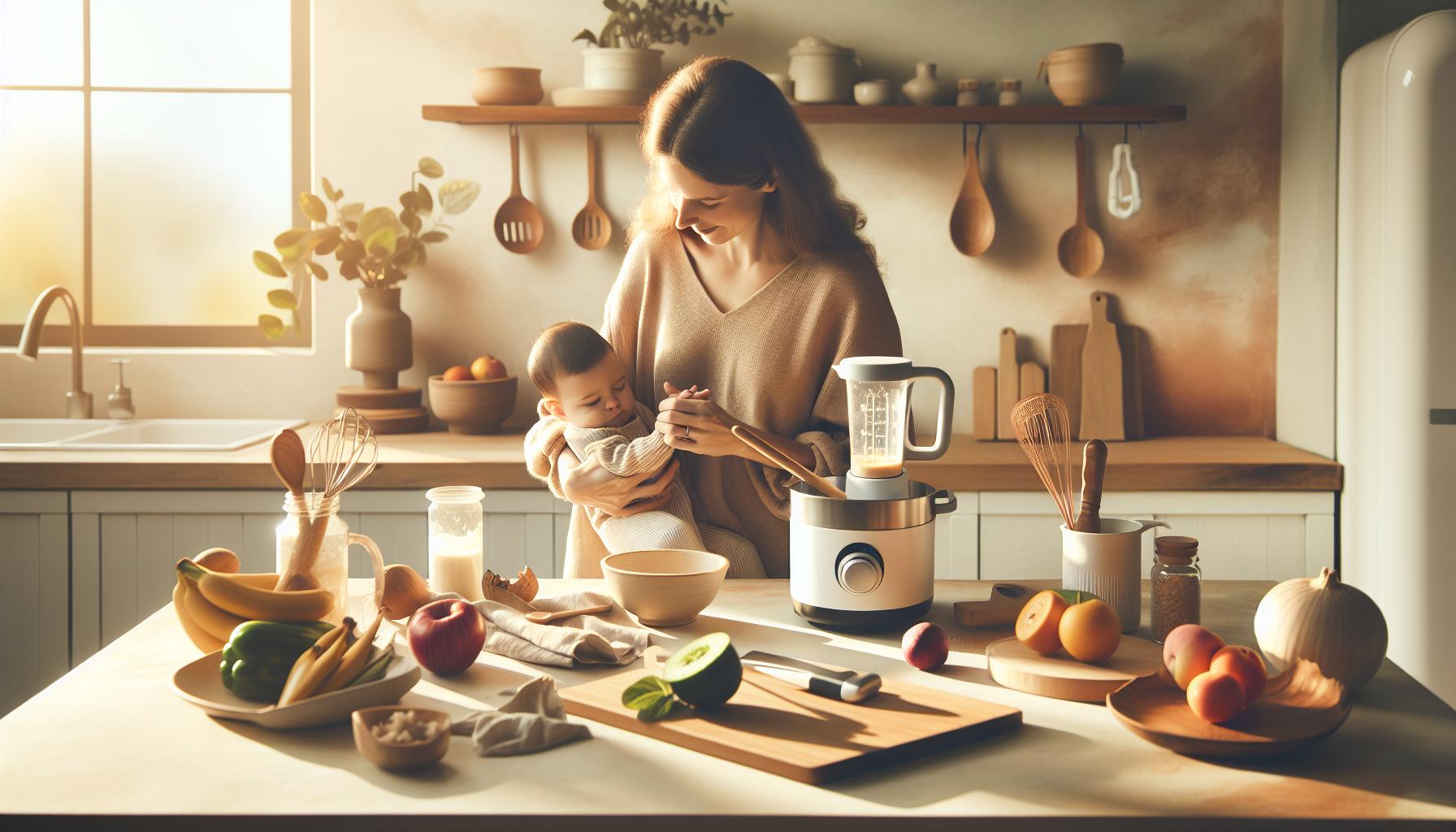
Essential Tools and Supplies for Baby Food Preparation
Key Tools for preparing Baby Food
Preparing homemade baby food can be an empowering experience for new parents, allowing you to introduce your little one to a variety of wholesome flavors and nutrients right from the start. To make this journey smoother, having the right tools and supplies is essential. Here’s a guide to the must-have items that will simplify the process of making nutritious purees and meals for your baby.
- Blender or Food Processor: A quality blender or food processor is crucial for creating smooth and creamy baby food.Compact options are available if you’re short on space. Look for models that are easy to clean and have multiple blending settings to handle various textures.
- Steamer Basket: Steaming fruits and vegetables retains more nutrients compared to boiling. A simple steamer basket that fits into a pot can help you cook vegetables to the perfect softness for easy blending.
- Ice Cube Trays: Once you’ve prepared your baby food, portioning it into ice cube trays allows for easy freezing and storage. Each cube is typically around one ounce, making this an ideal portion size for your baby’s meals. You can transfer the frozen cubes into zip-top bags for convenient future use.
- Silicone Freezer Bags: These are perfect for storing bulk batches of baby food. They’re reusable and can be easily labeled with the contents and date, ensuring you always know what’s on hand.
- Spoons and Bowls: Invest in soft-tipped spoons for starting solids, as they are gentle on your baby’s gums. A set of small, colorful bowls can make mealtime more fun as your baby starts exploring new textures and flavors.
Helpful Accessories
In addition to the core tools listed, several accessories can enhance your baby food preparation experience.Consider the following:
- Mesh Food Feeder: This handy tool allows your baby to explore different foods with minimal risk of choking. Fill it with fruits or vegetables, and let your baby gnaw and suck out the flavor.
- Aprons or Bibs: Protect your baby’s clothes during their culinary adventures with colorful, machine-washable bibs. Look for ones with pockets to catch any food that misses the mouth.
- Food Mill or Masher: For parents who prefer not to use electric appliances,a food mill or a simple masher can also work wonders to create chunky textures as your baby grows.
Incorporating these essential tools into your kitchen will streamline meal prep and create an enjoyable baby food experience. As part of your Postpartum Checklist PDF: Free Guide for New Moms Starting Baby Foods, having these supplies ready can definately help ease the transition into feeding your baby solid foods, setting the stage for healthy eating habits down the road.
Simple and Safe Homemade Baby Food Recipes to Try
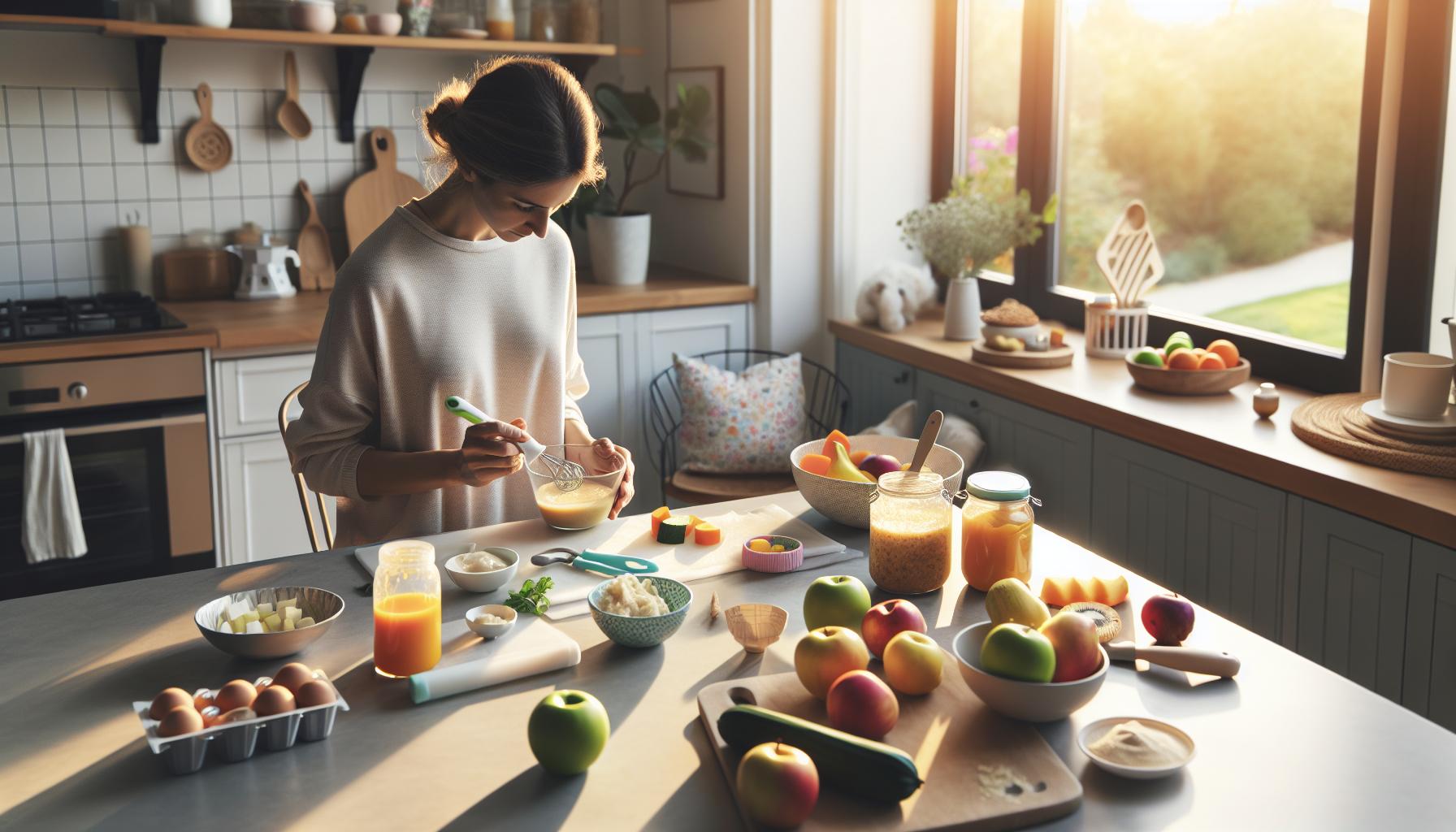
Creating homemade baby food not only ensures the freshness and quality of your child’s meal,but it can also be a cost-effective solution for new parents. With the right recipes, you can easily whip up nutritious blends that cater to your baby’s developing palate. Here are a few simple and safe recipes to get started:
- Apple and Pear Puree: Steam peeled and chopped apples and pears until soft. Blend together until smooth, adding a splash of water if necessary for the desired consistency.
- Sweet Potato Mash: Bake or steam sweet potatoes until tender. Scoop out the flesh and mash with a fork or blend for a smoother texture. This is a nutritious, fiber-rich option perfect for your baby’s first meals.
- Banana and Avocado Mix: Simply mash ripe bananas and avocados together. This creamy combination is not only easy to make but also packed with healthy fats essential for your baby’s growth.
- Carrot and Pea puree: steam carrots and peas until soft, then blend until smooth. This colorful blend is rich in vitamins and makes a delightful introduction to vegetables.
For those looking to expand their baby food repertoire, consider using the following nutrient-packed combinations as your baby gets accustomed to different tastes:
| Ingredient 1 | Ingredient 2 | Preparation Method |
|---|---|---|
| Butternut Squash | Apple | Steam and blend until smooth |
| Pumpkin | Cinnamon | Bake and mix with cinnamon for added flavor |
| Broccoli | pear | Steam until tender, then blend to a smooth consistency |
These recipes not only promote healthy eating habits early on but also give you the opportunity to experiment with different flavors and textures. For more tips on transitioning your baby into solid foods, be sure to check the Postpartum Checklist PDF: free Guide for New Moms Starting Baby Foods, which provides valuable insights and easy-to-follow steps for preparing nutritious meals safely.
Signs of Food Readiness: What to Look For in Your Baby
Recognizing When Your Baby is Ready for Solid Foods
As your little one approaches the milestone of starting solid foods, it’s critically important to be observant of key signs that indicate they’re ready. The introduction of solid foods can be an exciting and sometimes overwhelming experience for new parents, but knowing what to look for can help ease the transition. Typically, babies are ready to start exploring solids around six months, but readiness can vary.
- Strong Head and Neck control: Your baby should be able to sit up comfortably in a high chair with a straight back and hold their head steady. this stability is essential for safe feeding.
- Interest in Food: Watch for signs that your baby is curious about what you’re eating. They may watch you intently, reach for your food, or open their mouth when you bring food to your mouth.
- Decreased Tongue-Thrust Reflex: Infants are born with a reflex that pushes food out of their mouths. When this reflex diminishes, generally around six months, they are more likely to accept solid foods.
- Ability to Chew: if your baby can move food to the back of their mouth and swallow, it’s a sign they’re ready. You may notice them mimicking chewing movements even without teeth.
- Increased Appetite: If your baby seems unsatisfied after breastfeeding or formula feeding, it could be a sign that they are ready for more substantial food options.
Other indicators of Readiness
While the above signs are primary indicators, other subtle changes may also suggest your baby is ready to dive into solids. Some babies may show eagerness during meal times,exhibiting excitement as you prepare food. Others might be more vocal, using babbling to express their interest. Keep in mind that every baby is unique, so these signs can manifest differently.
It’s crucial to approach this new adventure with patience. Forcing your baby to eat solids before they show readiness can create negative associations with food. Remember that the key to introducing solids is to make it a fun and enjoyable experience, paving the way for healthy eating habits in the future. By leveraging the insights in the Postpartum Checklist PDF: Free Guide for new Moms Starting Baby Foods, you’ll be well-equipped to nurture your baby’s food explorations, ensuring a positive experience for both of you.
Navigating Allergies and Food Sensitivities: Tips for New Parents
Understanding the Basics
As new parents embark on the journey of introducing solid foods to their little ones, the prospect of food allergies and sensitivities can be daunting. Research indicates that food allergies are prevalent among children,with conditions like milk and egg allergies commonly surfacing during infancy. Navigating these challenges with informed strategies can make the experience smoother for both parents and their babies.
Identify and Monitor Reactions
Knowing how to recognize signs of food allergies versus simpler food sensitivities is crucial. While food allergies can trigger immediate immune responses, such as hives or difficulty breathing, food sensitivities often manifest as digestive issues or late-onset reactions. Here are some steps to take:
- Keep a Food Diary: Documenting everything your baby eats can help identify patterns and possible allergies. Take note of any adverse reactions.
- Introduce Foods Gradually: Introduce new foods one at a time, waiting 3 to 5 days before adding another. This helps pinpoint any potential allergens.
- Consult with Healthcare Providers: If you suspect an allergy, seek guidance from a pediatrician or an allergist for proper testing and advice.
Common Food Allergens
To further assist parents, it’s essential to be aware of common allergens. Here’s a table highlighting these foods and what to watch for:
| Common Allergens | Possible Symptoms |
|---|---|
| Milk | Hives, stomach pain, vomiting |
| Eggs | Skin reactions, respiratory issues |
| Peanuts | anaphylaxis, swelling |
| Wheat | Diarrhea, abdominal cramps |
| Soy | Nausea, rashes |
Testing and Next Steps
If concerns about allergies arise, pediatricians may suggest allergy testing or refer families to specialists. Simultaneously occurring,it is indeed wise to maintain patience and adaptability in your approach.Remember, every child is different; some may outgrow allergies while others may not. Resources like the Postpartum Checklist PDF: Free guide for New Moms Starting Baby Foods provide helpful tips and are a perfect tool for creating a safe feeding plan. Adjusting to your baby’s dietary needs can be a pivotal part of their growth journey, ensuring healthy habits from the start.
Meal Planning for Busy Moms: Strategies to Make Feeding Easier
Streamlining Meal preparation
For new moms, transitioning to the rhythm of motherhood frequently enough comes with a time crunch that makes meal preparation feel overwhelming. By utilizing smart meal planning strategies, you can create a structured approach that not only simplifies feeding your family but also helps in maintaining a healthy diet. One effective strategy is to implement batch cooking. by dedicating a few hours each week to prepare and store meals, you can have nutritious options ready to go, minimizing daily cooking stress.
Menu Planning Made easy
Creating a weekly menu is another valuable tool for busy moms. This practice allows you to plan meals that fit your family’s preferences while factoring in your schedule. Consider these steps:
- Involve the family: Plan meals together and choose recipes that everyone will enjoy.
- Designate a theme: For instance, #meatlessmondays or #TacoTuesdays can build excitement.
- Explore versatile recipes: Dishes that can be customized, such as stir-fries or grain bowls, can cater to different tastes.
With a clear menu, grocery shopping becomes straightforward, allowing you to stick to your plan without unneeded trips to the store.
Utilize technology for Efficiency
Make use of meal planning apps to help manage your grocery lists and recipes. Apps allow for easy adjustments according to your family’s changing tastes or schedules, making meal planning more flexible. Many apps also offer community features where you can share ideas and get inspired by other busy moms. For those looking to introduce their babies to solids, consider integrating the Postpartum Checklist PDF: Free Guide for new Moms Starting Baby Foods into your planning. It provides guidance on what to prepare and when, easing you into this new phase of feeding.
Organizing Your Freezer
Keeping your freezer organized can extend the life of your prepped meals and make it easy to grab dinner when time is tight. Here’s how to optimize your space:
| Association Tip | Description |
|---|---|
| Label Everything | Include the name of the dish and the date it was frozen. |
| Group Similar Items | keep all quick meals in one section for easy access. |
| Use Clear Containers | Opt for containers that allow you to see the contents without opening them. |
By following these meal planning strategies, new moms can create a more manageable approach to feeding their families, turning what often feels like an impossible task into a enduring routine. Embracing these techniques not only ensures your family eats well but also leaves you with more precious time to enjoy together.
Creating a Positive Feeding Experience: Enjoying Mealtime Together
Establishing a nurturing and enjoyable mealtime surroundings is crucial for both you and your baby. Research shows that the atmosphere during feeding can significantly impact a child’s attitude towards food as they grow. Making mealtime a pleasant experience not only supports healthy eating habits but also strengthens your bond with your little one, laying the groundwork for a lifetime of positive associations with food.
To create a positive feeding experience, consider the following practical tips:
- Choose the Right Setting: Sit down together in a pleasant and quiet space. Minimize distractions by turning off the TV and putting away your phone, allowing you to fully engage with your baby.
- Make It Interactive: encourage your baby to explore different textures and flavors. Allow them to self-feed with soft, easily graspable foods, which fosters independence and develops their motor skills.
- Follow Their Cues: Pay attention to your baby’s hunger and fullness cues. This responsiveness not only helps them learn to self-regulate their eating but also teaches them to trust their body’s signals.
- Create a Routine: Establish a consistent mealtime routine. This helps your baby understand what to expect, making them more at ease during feeding times.
Additionally, engaging in a conversation about food can make mealtime more fun. Talk about the colors,smells,and textures of the foods being offered. Singing simple songs or using playful gestures can also enhance the experience, making your baby more excited about trying new foods.
Incorporating these strategies from the Postpartum Checklist PDF: Free Guide for New Moms Starting Baby foods can transform mealtime into a joyful and positive experience, fostering not only healthy eating habits but also meaningful connections between you and your baby.
faq
What is the Postpartum Checklist PDF: Free Guide for New Moms Starting Baby Foods?
The Postpartum Checklist PDF: Free Guide for New Moms Starting Baby Foods is a valuable resource designed to help new mothers navigate the transition from pregnancy to postpartum life. It includes essential tips for starting baby foods, nutritional guidelines, and practical advice for recovery.
This guide aims to empower new moms by providing them with detailed details on nutrient-rich foods that aid recovery and enhance their baby’s health. Understanding what to introduce to your baby during this crucial time can help set the foundation for healthy eating habits.
How do I start my baby on solids using the Postpartum checklist PDF?
You can start your baby on solids by following the suggestions in the Postpartum Checklist PDF: Free Guide for New Moms starting Baby Foods, which outlines when and how to introduce age-appropriate foods.Begin with single-ingredient purees at around six months.
Common first foods include mashed bananas, avocado, and soft-cooked vegetables. It’s important to introduce one food at a time and watch for any allergic reactions. This guide also provides tips on portion sizes and meal ideas to make feeding easier.
Why is a postpartum checklist critically important for new moms?
A postpartum checklist is crucial for new moms as it helps them prioritize their recovery and manage their baby’s introduction to solid foods. The Postpartum Checklist PDF: Free Guide for New Moms Starting Baby Foods offers a structured plan to ensure both mom and baby get what they need.
Recovery can feel overwhelming, and having a checklist helps new parents focus on essential tasks like nutrition, hydration, and self-care. It reassures them that they’re taking the right steps towards a healthy postpartum experience.
Can I find meal ideas in the Postpartum Checklist PDF?
Yes! The Postpartum Checklist PDF: Free Guide for new Moms Starting Baby foods contains various meal ideas suitable for both postpartum recovery and starting solids. This resource emphasizes nutrient-dense foods that promote health for both you and your baby.
Examples include high-protein meals like quinoa bowls or smoothies packed with fruits and vegetables. This way, you can nourish yourself while preparing meals for your growing baby, making it a win-win situation!
What nutrients should I focus on during postpartum recovery?
During postpartum recovery, focus on key nutrients like protein, iron, and healthy fats, which are highlighted in the Postpartum Checklist PDF: Free Guide for New Moms Starting Baby Foods.These nutrients aid healing and support breastfeeding.
Incorporate foods like lean meats, leafy greens, and nuts into your diet. Not only do these foods help your recovery, but they also provide essential vitamins for your baby’s first foods. Always consult with a healthcare provider for personalized dietary advice!
How does the Postpartum Checklist PDF address breastfeeding challenges?
The Postpartum Checklist PDF: Free Guide for New Moms Starting Baby Foods offers insightful tips on managing common breastfeeding challenges. This resource reminds mothers that seeking help and being patient is key to navigating this new journey.
From establishing a routine to ensuring proper latch techniques,the guide encourages new moms to prioritize their health and well-being. It also highlights the importance of hydration and nutrition for maintaining milk supply, ensuring both mom and baby thrive.
Can I use the Postpartum Checklist PDF for meal planning?
Absolutely! The postpartum Checklist PDF: Free Guide for New Moms Starting Baby Foods is a fantastic tool for meal planning, providing ideas that focus on quick, nutritious meals for busy new moms.Planning ahead can save time and reduce stress.
Whether preparing purees for your baby or meals for yourself,this checklist encourages variety and balance in your diet,making mealtime less of a hassle. with a little planning, you’ll ensure both you and your baby receive the nutrients needed for a healthy start.
The Way Forward
As you embark on the beautiful yet challenging journey of parenthood, our “Postpartum Checklist PDF: Free Guide for New Moms Starting Baby Foods” is designed to support you every step of the way. This guide not only provides you with essential items to help you recover after childbirth but also offers practical tips for introducing solid foods to your little one. Embrace the wisdom of postpartum nutrition, ensure you have the right supplies for your baby’s first meals, and remember—you’re not alone in this!
Feel free to download your checklist and explore our resources to make this transition smoother. Your choices are grounded in love and care for your family, and we encourage you to revisit our site for more helpful insights and share your experiences with other parents. Together, let’s navigate this exciting phase of life with confidence and joy!
Get our latest guides, news, and insights highlighted in your Google Search & AI Overviews.


