

Navigating the postpartum phase can be challenging for new mothers as they seek effective ways to recover and nourish their bodies. Among the various traditions worldwide, Korean seaweed soup stands out for its rich nutrient content, designed to support healing, boost milk supply, and promote overall well-being. Discover why this comforting dish is essential for postpartum recovery.
The Power of Seaweed: A Nutrient Boost for New Moms
The Nutritional Benefits of Seaweed for New Mothers
Did you know that seaweed is not just a flavorful addition to dishes, but also a powerhouse of nutrients? Seaweed soup, particularly Miyeokguk, is a staple in Korean postpartum care and serves as a critical dietary component for healing new mothers. This nutrient-rich soup is packed with essential vitamins and minerals that support recovery during the demanding postpartum period.
Seaweed, particularly varieties used in Miyeokguk, is celebrated for its high content of iodine, which is vital for thyroid function. After giving birth, a mother’s body undergoes significant hormonal shifts, and adequate iodine supports not only the mother’s health but also contributes to her baby’s advancement. Additionally, seaweed is rich in calcium, iron, and various vitamins (such as A, B, C, and E), all crucial for restoring energy levels and health after childbirth.
- Calcium: Essential for bone health, which can be particularly significant for new mothers who might potentially be at risk of postpartum osteoporosis.
- Iron: Helps combat fatigue, especially after blood loss during delivery.
- Fiber: Aids digestion, which can alleviate postpartum constipation, a common issue.
Boosting Taste and nutrition
While traditional Miyeokguk can be comforting and health-boosting on its own,adding protein sources such as beef or seafood can enhance the soup’s nutrient profile,providing additional amino acids and healthy fats. This not only enriches the flavor but also creates a more satisfying meal that can offer sustained energy throughout the day.
| Ingredient | Nutritional Benefit |
|---|---|
| Seaweed | Packed with vitamins (A,C,E,K),calcium,iron,and iodine |
| Beef | Rich in protein,which is vital for recovery and muscle repair |
| Seafood | Provides omega-3 fatty acids,beneficial for mood stabilization and cognitive health |
Incorporating seaweed soup into postpartum meals offers not just physical nourishment but also cultural significance,fostering a connection to heritage and tradition in new mothers. For those looking to embrace this beneficial practice, preparing Miyeokguk can be an easy and rewarding way to enhance recovery during this transformative time.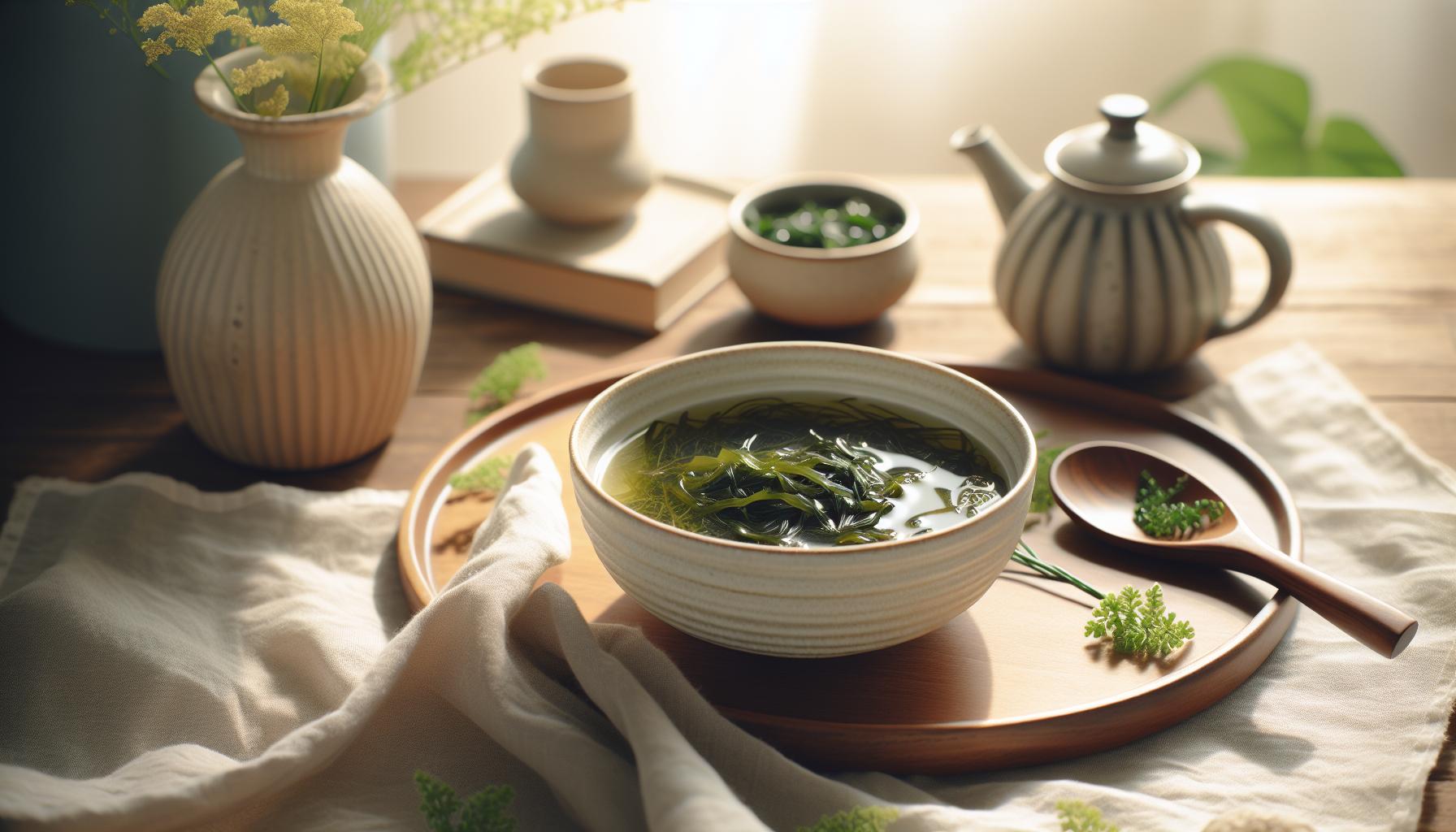
Embracing Postpartum Nutrition: Why Seaweed Soup Matters
The Healing Power of Seaweed Soup
Did you know that many cultures around the world have specific foods they turn to for postpartum healing? In Korea,one of the most cherished dishes is Miyeok Guk,or seaweed soup. Rich in essential nutrients, this traditional soup has been a cornerstone of postpartum recovery for centuries. It’s not just about nourishment; it symbolizes care and support during a transformative phase in a woman’s life. The soup is primarily made from miyeok, a type of edible seaweed, which is packed with vitamins and minerals critical for new mothers.
Nutritional Benefits
Korean seaweed soup is particularly valued for its high levels of iron and calcium, which can be vital for mothers who have just given birth. It also contains antioxidants and other minerals that promote healing and well-being. Here are some key benefits of incorporating seaweed soup into postpartum nutrition:
- Boosts Milk Supply: The nutrients in seaweed help enhance lactation, supporting breastfeeding mothers.
- Replenishes Nutrients: Following childbirth, women experience significant nutrient depletion; seaweed soup helps replenish iron and other essential nutrients.
- Improves Digestion: Seaweed is rich in dietary fiber, aiding in postpartum digestive health.
Cultural Significance and Practices
In Korea, it’s customary for new mothers to consume seaweed soup daily for weeks after their baby is born. This practice stems from a cultural belief that warm, nutrient-rich foods can facilitate recovery. It’s not just a meal; it’s frequently enough prepared and shared by family, reinforcing community ties and emotional support. Many postpartum doulas and caretakers emphasize its importance, making it a vital part of the recovery plan for new moms.
| Nutrient | Benefit |
|---|---|
| Iron | Helps replenish blood lost during childbirth |
| Calcium | Supports bone health for both mother and breastfeeding infant |
| Vitamins A and C | Boost immune function and skin repair |
Incorporating seaweed soup into your postpartum meals is not just a dietary choice; it’s an embrace of tradition that can significantly enhance recovery. Whether your a Korean mother or someone interested in holistic postpartum practices, this nutrient-rich soup can be a comforting and beneficial addition to your postpartum nutrition strategy.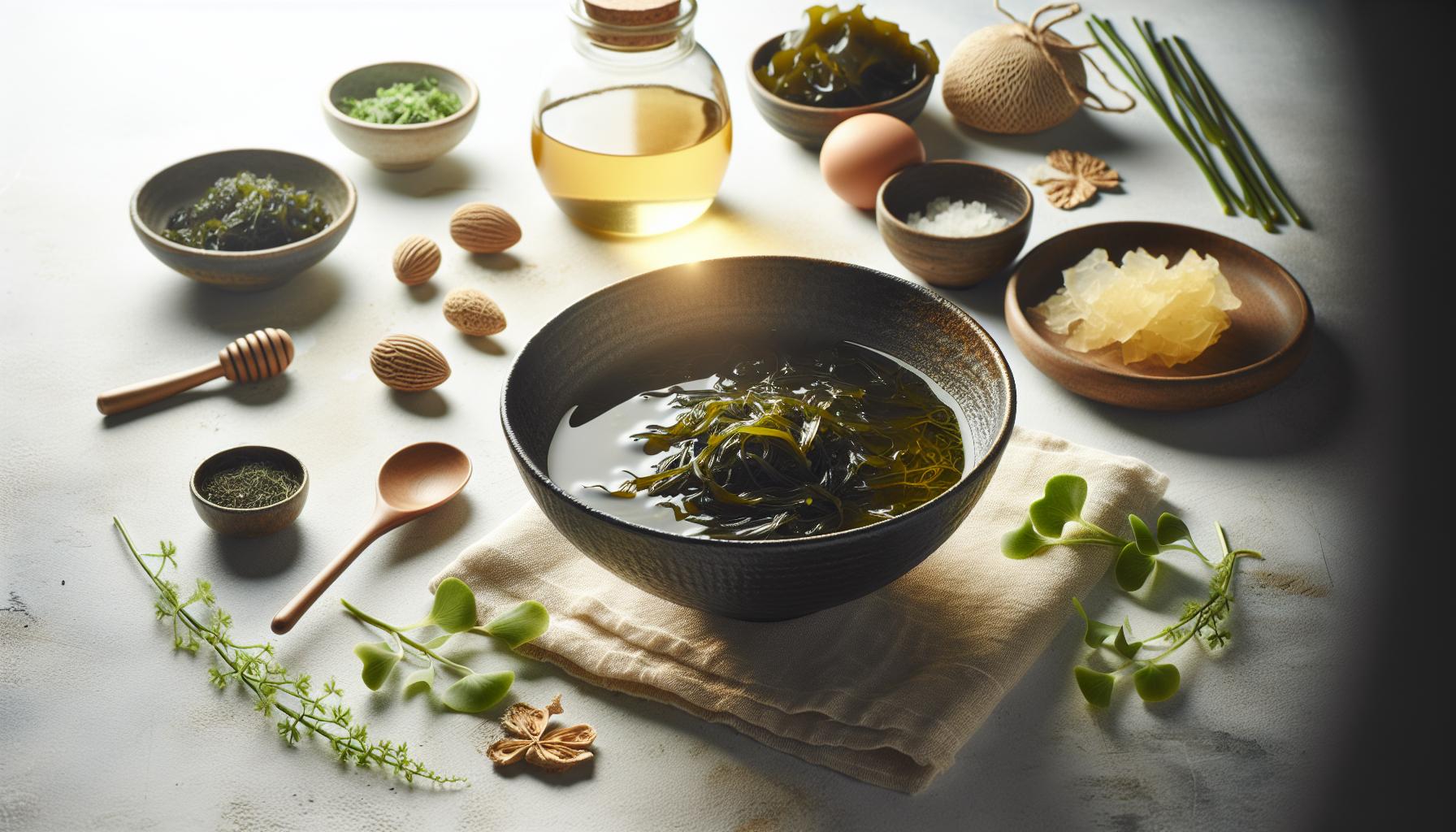
Essential Ingredients: What Makes Seaweed Soup a Healing Choice
The nutrient-rich benefits of seaweed soup, traditionally known as *miyeok guk*, have made it an essential part of postpartum recovery in Korean culture. Packed with vitamins and minerals,this hearty broth not only aids recovery but also plays a crucial role in replenishing the body after childbirth. Seaweed, particularly varieties like wakame, is renowned for its high iron content, which is vital for combating postpartum anemia. By incorporating this restorative soup into their diets, new mothers can enhance their healing process while embracing a comforting tradition.
One of the standout features of seaweed soup is its rich array of micronutrients.Seaweed is naturally high in antioxidants, iodine, calcium, and omega-3 fatty acids, which support hormone regulation and help reduce inflammation. These properties make seaweed soup a particularly healing choice during the postpartum period. The warm broth provides hydration and can also assist in lactation, contributing to better milk production for breastfeeding mothers.In addition to seaweed, adding ingredients like beef, tofu, or mushrooms enriches the soup further, providing protein and additional vitamins to support recovery.
- Iron: essential for replenishing lost blood and combating fatigue.
- calcium: Supports bone health, crucial for new mothers.
- Omega-3 Fatty Acids: Found in seaweed, these help reduce inflammation and promote healing.
- Antioxidants: Combat oxidative stress and support overall immunity.
By making seaweed soup a regular part of their diet, new mothers not only benefit themselves but also engage in a cultural practice that celebrates the nurturing of life. As part of a healing postpartum nutrition plan, seaweed soup is much more than just a meal—it’s a soothing balm for both the body and soul. Embracing such nourishing recipes can definitely help new moms navigate their recovery with grace and strength, turning mealtime into a moment of self-care in the frequently enough chaotic early days of motherhood.
easy Recipes to Make Seaweed Soup Your Go-To Recovery Meal
Transforming Seaweed Soup into Your Essential Recovery Meal
Did you know that seaweed soup is considered a traditional powerhouse for postpartum recovery? This nutrient-rich dish is not only comforting but also provides essential benefits like enhancing energy levels, increasing breast milk supply, and aiding in detoxification. To make this amazing dish your go-to recovery meal,here are some easy recipes that will integrate seamlessly into your postpartum diet.
Classic Korean Seaweed soup
This recipe serves as a perfect introduction to seaweed soup, offering a tasty blend of flavors and nutrients.
- Ingredients:
Ingredient quantity Dried seaweed (wakame) 1/4 cup Beef or chicken broth 6 cups Garlic (minced) 2 cloves soy sauce 2 tablespoons Sesame oil 1 tablespoon Green onions (chopped) 2 stalks - Instructions:
- Soak the dried seaweed in water for about 30 minutes, or until softened. Drain and cut into bite-sized pieces.
- In a pot, heat the sesame oil over medium heat. Add the garlic and sauté until fragrant.
- Pour in the broth and bring it to a simmer. Add the seaweed and soy sauce, letting it cook for another 10 minutes.
- Garnish with green onions before serving. Enjoy warm for optimal comfort.
Fast Veggie Seaweed Soup
For a lighter twist, try this vegetable-packed seaweed soup that balances flavor and nutrition.
- Ingredients:
Ingredient Quantity dried seaweed (kombu or wakame) 1/4 cup Mixed vegetables (carrots, spinach, mushrooms) 2 cups Vegetable broth 6 cups Ginger (sliced) 1 inch Salt and pepper To taste - Instructions:
- Soak the seaweed in warm water for about 15 minutes. Drain and chop into small pieces.
- In a large pot, add the vegetable broth and ginger, and bring to a boil.
- Add in the mixed vegetables and seaweed, cooking for an additional 10-15 minutes until veggies are tender.
- Season with salt and pepper, and serve hot for a refreshing nutrition boost.
Incorporating these recipes into your postpartum meal plan offers a flavorful way to support your recovery journey. Whether you choose the classic version or opt for a veggie twist, seaweed soup stands out as a nutrient-rich dish that is sure to comfort and nourish new moms.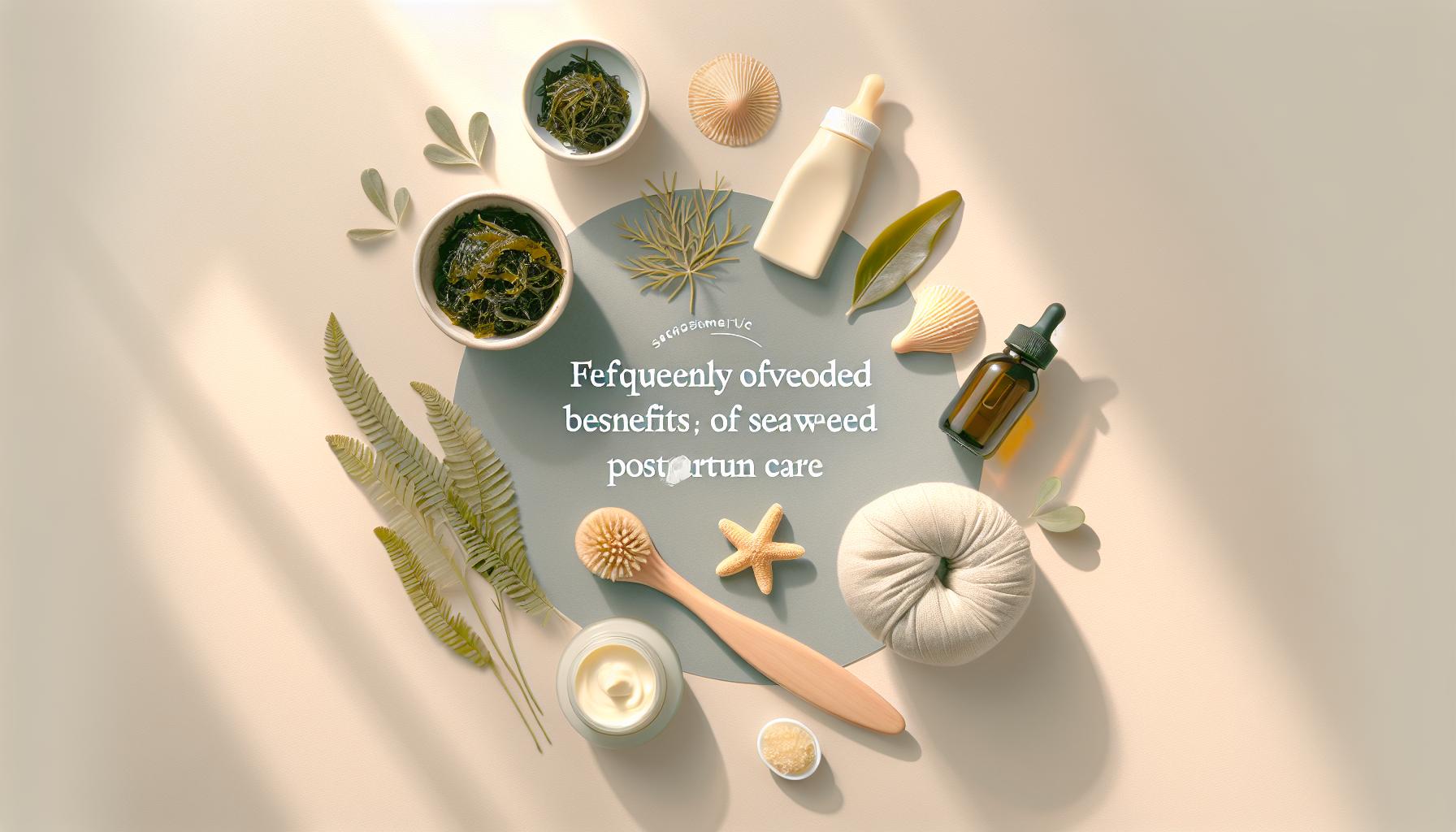
frequently Overlooked benefits of Seaweed in Postpartum Care
Unlocking Hidden Nutritional Treasures
Beyond its well-known role in replenishing nutrients and supporting lactation, seaweed—particularly in the form of traditional Korean seaweed soup—offers a multitude of overlooked benefits that can significantly enhance postpartum recovery. The rich array of vitamins and minerals found in seaweed is not just beneficial for new mothers; they can contribute to overall well-being during this critical period.
- Iodine-Rich Benefits: Iodine is essential for thyroid function and the hormonal balance that can affect mood and energy levels post-birth. This can be particularly crucial for mothers experiencing postpartum thyroiditis or hormonal imbalances.
- Anti-Inflammatory Properties: Seaweed contains antioxidants and anti-inflammatory compounds that can help reduce swelling and promote healing, aiding recovery from the physical strains of childbirth.
- Digestive Health: The soluble fiber found in seaweed supports gut health, which is vital during the postpartum period when many women face digestive changes.
- Natural Detoxification: Seaweed helps detoxify the body by removing harmful heavy metals and pollutants, essential for mothers looking to regain their health swiftly and safely.
Nutritional Support for Milk Production
one of the frequently overlooked advantages of consuming seaweed soup postpartum is its ability to enhance breast milk production. Seaweed is packed with essential nutrients like calcium and iron, which are vital for sustaining lactation. The optimal mix of these minerals not only supports the mother’s health but also enhances the quality of breast milk, ensuring that the newborn receives the best start in life.
| Nutrient | Benefit |
|---|---|
| Calcium | Essential for bone health and milk production. |
| Iron | Boosts energy levels and reduces fatigue, crucial for new mothers. |
| Omega-3 Fatty Acids | Supports brain health for both mother and baby. |
Incorporating seaweed into the postpartum diet can involve creative culinary uses, from soups to salads, making it both a delicious and healthy option. As new mothers often grapple with fatigue and the demands of caring for a newborn, focusing on nutrient-dense foods like seaweed can make a remarkable difference in their recovery journey.
Tips for Incorporating Seaweed Soup Into Your Daily Routine
integrating seaweed Soup Into Your Daily Routine
Did you know that seaweed soup, or miyeok guk, is not only a traditional Korean dish but also a powerhouse of nutrients that can significantly aid recovery during the demanding postpartum phase? Incorporating this nutrient-rich soup into your daily diet can help support your overall well-being, boost energy levels, and replenish essential nutrients lost during childbirth. Here’s how you can seamlessly include it in your routine.
Preparation Tips
To make seaweed soup a regular part of your diet, consider these practical preparation tips:
- Batch Cooking: Prepare a large quantity of seaweed soup at the beginning of the week. This not only saves time but ensures you always have a nourishing meal ready to go.
- Freezing Portions: after cooking, divide the soup into individual portions and freeze them.This allows for easy reheating while preserving the nutrients.
- Ingredient Variations: Personalize your seaweed soup by adding various proteins like tofu, beef, or chicken, and vegetables such as carrots or mushrooms for added flavor and nutrition.
Incorporating into Meals
Using seaweed soup as a versatile side can enhance your daily meals. Here are some ideas:
- Serve it alongside rice and grilled fish for a balanced meal.
- Use it as a base for a nutritious grain bowl by adding quinoa or brown rice and your choice of toppings.
- Pair it with other Korean dishes like kimchi or stir-fried vegetables to create a satisfying dinner spread.
Mindful Eating
Emphasize mindful eating when enjoying your seaweed soup. Take the time to savor each bowl,appreciating its warm,comforting qualities. This can enhance the overall experience and contribute to better digestion,which is particularly important during the postpartum period when your body is healing.
By making these simple adjustments, you can easily incorporate seaweed soup into your daily routine, ensuring that you reap the multiple health benefits it offers. Not only does it provide essential nutrients, but it also connects you with a rich cultural tradition that supports recovery during one of life’s most transformative periods.
Hear from Moms: Personal Experiences with Seaweed Soup
Real Stories from New Moms
Many new mothers have shared transformative experiences with seaweed soup,a traditional Korean dish celebrated for its health benefits during the postpartum period. This nutrient-rich soup, known as miyeok guk, is not just a meal; it’s a comforting ritual that many women embrace to aid their recovery. One mom recounted how her own mother prepared seaweed soup for her daily after giving birth. She noted, “Each bowl felt like a warm hug. it genuinely helped me feel energized and supported. I noticed an increase in my milk supply, and I felt more balanced emotionally as a result.”
- Support System: Many mothers emphasized the importance of community and family support during the postpartum period. Having someone prepare this nourishing soup not only provided physical nourishment but also fostered a sense of connection and love.
- Cultural Connection: For many women, consuming seaweed soup is deeply intertwined with cultural identity. One mom shared, “Making miyeok guk was a way for me to bond with my heritage and pass traditions to my baby. It feels like I’m sharing a piece of my culture with my child.”
Positive Outcomes and Recommendations
The responses from mothers who incorporated seaweed soup into their diets overwhelmingly point to its effectiveness. They reported improvements in their overall health, including better digestion and increased energy levels. One mother shared her practical tips: “I suggest making a large batch and freezing it in portions. It’s easy to heat up and helps during those hectic days when you barely have time to eat.” Prepared with basic ingredients like seaweed, beef or clams, and garlic, the soup can be easily tailored to individual tastes, making it a versatile postpartum staple.
| Nutritional Benefits | Impact on Recovery |
|---|---|
| High in iodine | Supports thyroid function, crucial for postpartum hormonal balance |
| Rich in vitamins A and C | Boosts immunity and promotes healing |
| Source of calcium | Essential for bone health, particularly after pregnancy |
| Contains omega-3 fatty acids | Helps reduce inflammation and supports mental health |
For mothers seeking a nourishing, traditional dish that can aid in their postpartum recovery, seaweed soup not only offers numerous health benefits but also provides a vital connection to their roots and their family. Whether alone or shared with loved ones, seaweed soup remains a cherished part of many mothers’ healing journeys.
Expert Insights: Nutritionists Weigh in on Seaweed for Recovery
The Nutritional Powerhouse of Seaweed Soup
Did you know that seaweed is one of the most nutrient-dense foods available? When it comes to recovery after childbirth, seaweed soup stands out as an remarkable choice for new mothers. Packed with a multitude of vitamins and minerals, including iodine, calcium, and iron, seaweed provides essential nutrients that support postpartum recovery. Nutritionists highlight that incorporating seaweed into the diet can significantly enhance nutrient intake, which is crucial during this demanding period.
- Boosts Iodine Levels: Seaweed is an excellent source of iodine, vital for thyroid function, which plays a crucial role in regulating metabolism and energy levels.
- rich in Antioxidants: Antioxidants found in various seaweed types help combat oxidative stress, promoting overall health and wellness.
- Fiber-Rich: The fiber in seaweed enhances digestive health and can aid in maintaining regularity, an important consideration for new mothers.
Practical Tips for Incorporating Seaweed Soup in Recovery
Experts advise that new mothers can benefit greatly from regularly consuming seaweed soup as part of their postpartum diet. Here are some practical tips to make the most of this nutrient-rich dish:
- Choose Varieties Wisely: Always opt for edible seaweed types such as nori, dulse, or kombu when making seaweed soup. Each type offers unique benefits; for example, dulse is high in protein and iron, while kombu can enhance flavor and provide additional minerals.
- Add Nutrient-Dense Ingredients: Enrich your seaweed soup by incorporating other recovery-supportive foods. Adding ingredients like ginger or garlic not only boosts flavor but also offers anti-inflammatory properties.
- Prepare in Advance: Making a large batch of seaweed soup can be a practical strategy for busy new moms. Store individual portions in the freezer to have quick, nutritious meals ready when needed.
| Ingredient | Nutritional Benefit |
|---|---|
| Seaweed | High in iodine, calcium, and antioxidants |
| Ginger | Reduces inflammation and aids digestion |
| Garlic | Boosts immunity and has anti-inflammatory properties |
By embracing seaweed soup as part of a postpartum nutrition regimen, mothers can harness its powerful benefits for recovery. Nutritionists recommend this holistic approach, making it easier for new moms to regain strength and vitality during this transformative time.
Q&A
What is Seaweed Soup Postpartum: Nutrient-Rich Recovery for New Moms?
seaweed Soup, or Miyeok Guk, is a nutrient-dense Korean dish traditionally enjoyed by new mothers for recovery. Its main ingredient, seaweed, is packed with vitamins, minerals, and omega-3 fatty acids that support healing and lactation.
This comforting soup is not only nourishing but also symbolizes care and respect for mothers in postpartum recovery. The soup can be customized with various proteins, enhancing its nutritional value and making it a versatile part of a new mom’s diet.
How to prepare Seaweed Soup for postpartum recovery?
To prepare Seaweed Soup, first soak dried seaweed in cold water for 5 to 10 minutes. Then, add it to a pot with broth and simmer. After 20 minutes, you can add beef or seafood for extra protein.
This nourishing recipe provides essential nutrients to new moms. Incorporating this soup into your diet can help replenish energy levels and support recovery. For a detailed recipe, check out our Seaweed Soup guide.
Why is Seaweed Soup critically important for new moms?
Seaweed Soup is crucial for new moms as it aids in postpartum recovery by providing essential nutrients like calcium and iron. These nutrients help replenish the body after childbirth and can promote lactation.
Additionally, the emotional comfort of this warm soup can boost a mother’s mood during the challenging postpartum period, making it both a physical and psychological support.Celebrating this dish’s cultural significance can also enhance the mother’s experience in her new role.
Can I customize Seaweed Soup for dietary restrictions?
Yes! Seaweed Soup can easily be customized to fit various dietary restrictions. You can substitute traditional ingredients like beef with tofu or chicken for a vegetarian option.
This adaptability allows you to maintain the soup’s nutritional benefits while accommodating personal preferences or dietary needs. Customize the soup with your choice of vegetables, herbs, and proteins to enjoy a comforting meal without compromising your health goals.
What are the key nutrients in Seaweed Soup?
Seaweed Soup contains vital nutrients such as iodine, calcium, and iron. These elements are essential for recovery and overall health, particularly in women who have just given birth.
The omega-3 fatty acids found in seaweed also contribute to brain health, making it a nourishing choice for breastfeeding mothers. Incorporating this soup regularly can definitely help ensure adequate nutrient intake during the postpartum period.
How often should new moms eat Seaweed Soup?
New moms can benefit from consuming Seaweed Soup several times a week during their postpartum recovery. Regular intake can help replenish nutrients lost during childbirth.
Listening to your body and adjusting the frequency based on your recovery needs and dietary preferences is also important. This nutritious soup can serve as a cornerstone in a balanced postpartum diet, promoting recovery and well-being.
Can Seaweed Soup help with lactation?
yes, Seaweed Soup is believed to support lactation due to its rich nutrient profile. The iodine and omega-3 fatty acids positively impact breast milk production.
Including this soup in daily meals can provide the essential nutrition needed by new mothers, helping to ensure healthy milk supply and benefiting both mother and baby.
Is Seaweed soup a common dish in all cultures for new moms?
While Seaweed Soup is particularly popular in Korean culture for postpartum recovery, various cultures have similar nourishing soups for new mothers. The tradition highlights the importance of nutrition during recovery.
Each culture contributes unique ingredients and flavors, emphasizing the shared belief in the significance of nourishing meals during this special time in a mother’s life.
In Retrospect
Korean seaweed soup, or Miyeok Guk, is more than just a delightful dish; it is indeed a nourishing ally for new mothers during their postpartum recovery. Rich in essential nutrients like iodine, calcium, and iron, this wholesome soup plays a vital role in replenishing the body and enhancing breast milk production, which is crucial for breastfeeding. Whether enjoyed alone or elevated with protein such as beef or seafood, seaweed soup offers comfort and sustenance during a challenging transition into motherhood.
we encourage you to consider incorporating this traditional dish into your postpartum journey to support your health and well-being. As you navigate the beautiful challenges of new parenthood, remember that nurturing yourself is just as important as nurturing your little one. Dive deeper into the world of postpartum nutrition and discover more comforting recipes and tips that can empower you during this remarkable time. Your journey to recovery is filled with choices,and with seaweed soup,you’re making a deliciously nourishing one!
Get our latest guides, news, and insights highlighted in your Google Search & AI Overviews.


